This week, we have been on a little jolly, eine Fahrt ins Blaue, a magical mystery tour, or very simply a little road trip. Having lived 30 years outside of the UK, our knowledge of it is sadly lacking. Although Himself comes from the North of England close to Liverpool and we both went to college in Manchester, neither of us know it. And so it was that we visited his lovely baby brother and even lovelier wife in Harrogate. We had actually lived in Harrogate for 6 months, albeit a lifetime ago. We couldn’t even remember where had lived, let alone any landmarks. The only thing that I did remember was the market, which sadly is no more.

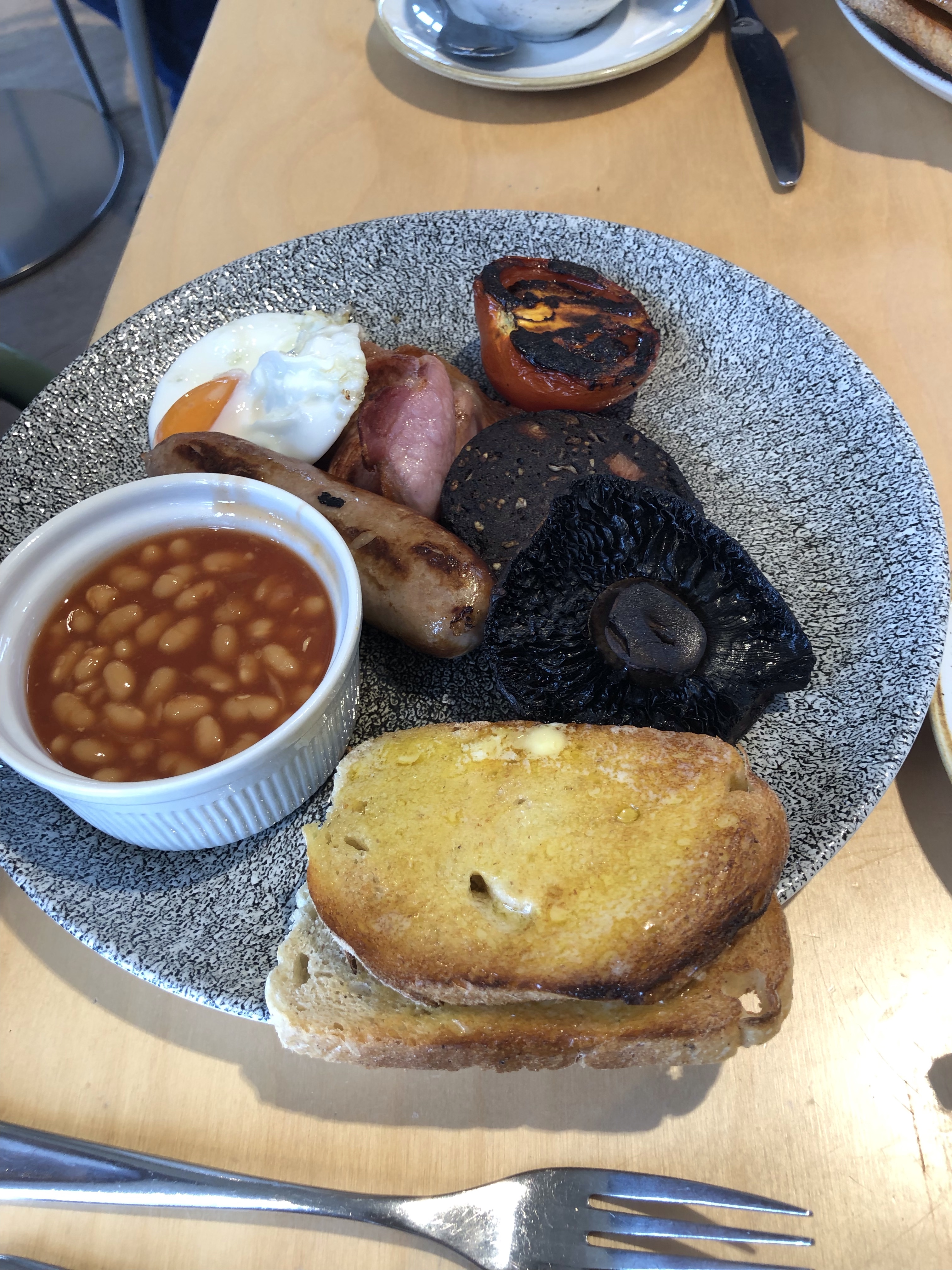
The last time we were in Harrogate was pre-Covid, we had lunch in the deliberate Old fashioned Betty’s and breakfast in a Farmers Market called Fodder! What a great name! Himself and brother just had to have the Great Yorkshire Breakfast and it didn’t disappoint and myself the crushed avocado on sourdough with watercress, wilted spinach, poached egg ( perfectly cooked) and bacon! Something that the Baby Ivy Cafes in London need to learn !

After Harrogate we meandered through the Yorkshire dales, into Lancashire and to Clitheroe and to COWMANS sausage shop! And quel choix. We bought basic chipolatas, to make Pigs in Blankets for grandkids , then Himself chose Cajun, Moroccan Lamb, herb Italian and Venison. These will be precooked and the more exotic ones frozen for Himself to have whenever.

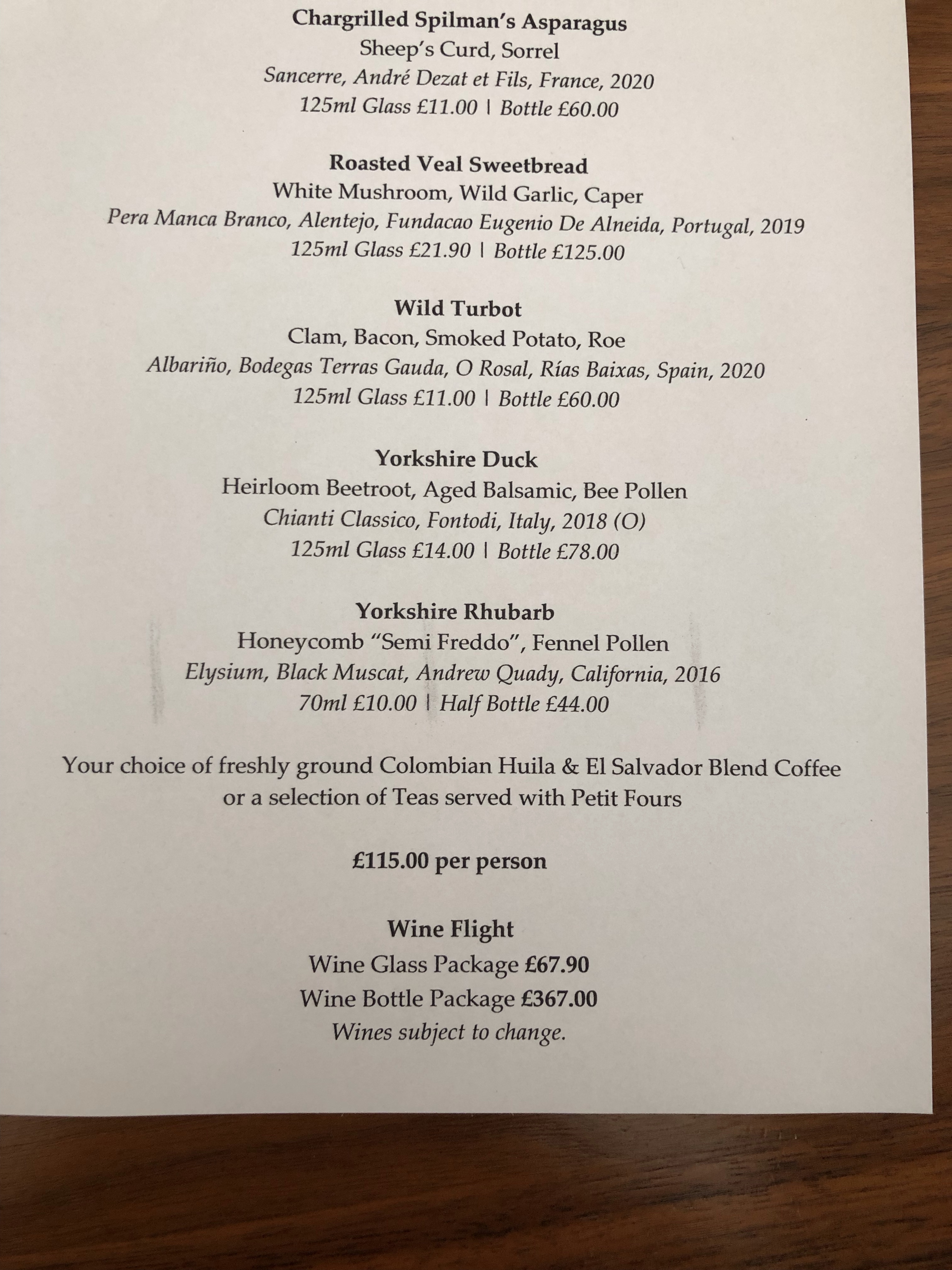
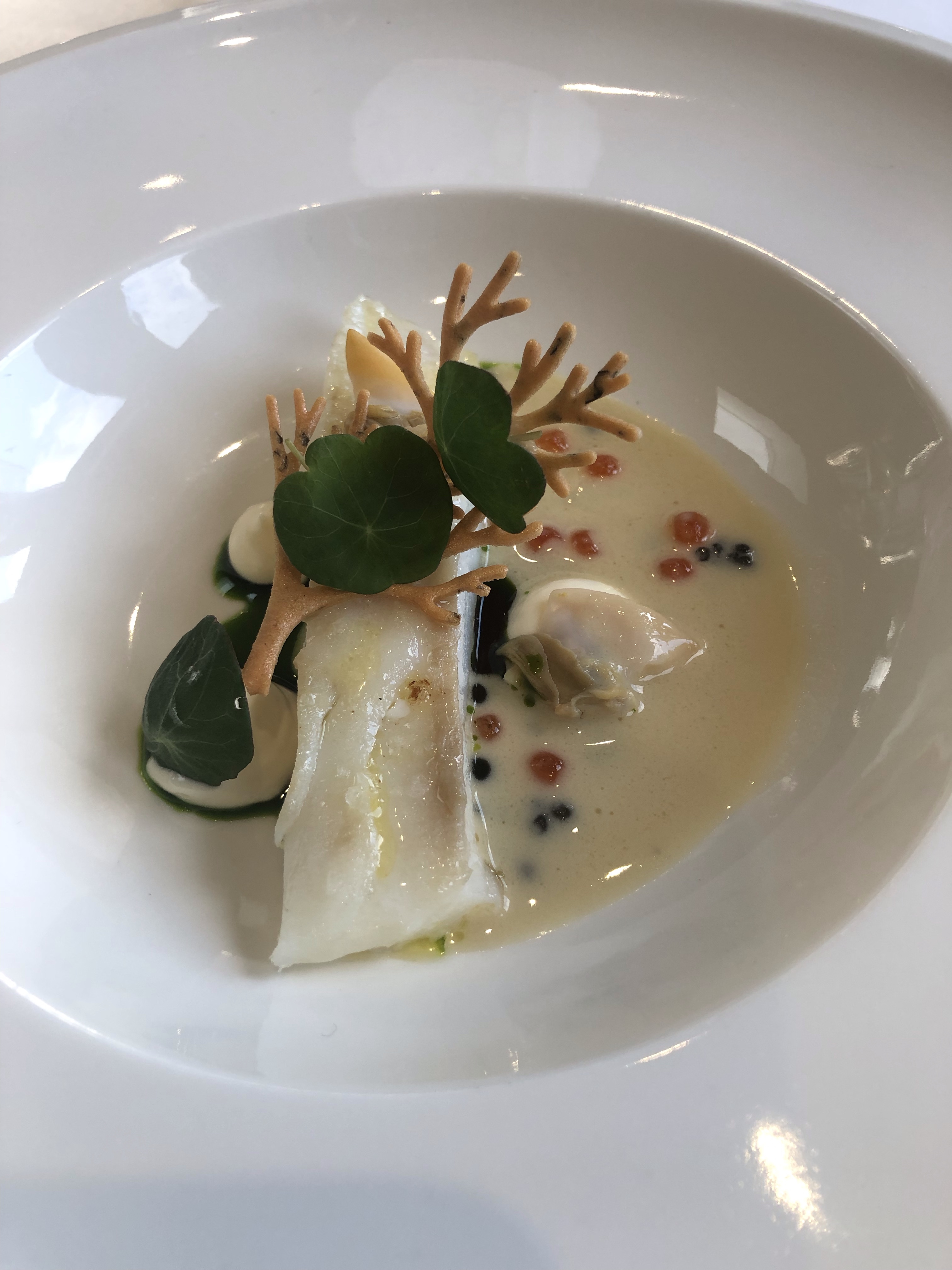
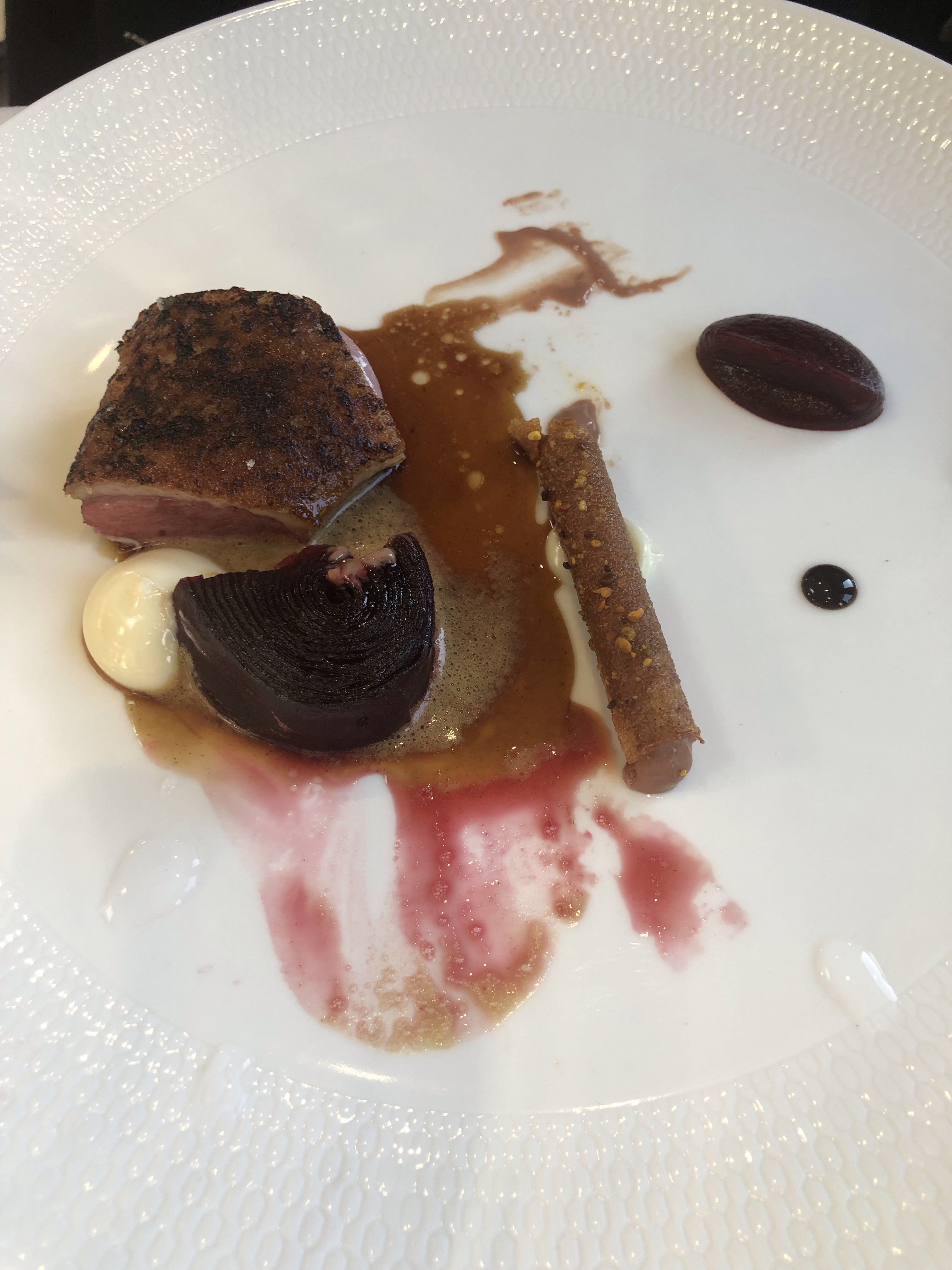
Moving on from Clitheroe we landed at Northcote, a Michelin star restaurant and hotel. For whatever reason our assigned dinner time was 6.30. As with many good restaurants, seatings are staggered, to enable to kitchen staff and wait staff to function well. The set menu was interesting and although we chose not to take the wine flight we were very happy with our choice. This was partly dictated by nostalgia as on the wine list was a white from the PFALZ, a region in German, where we lived for 3 years. Himself then decided that a red from Georgia , the birthplace of wine, might be interesting, and it was.

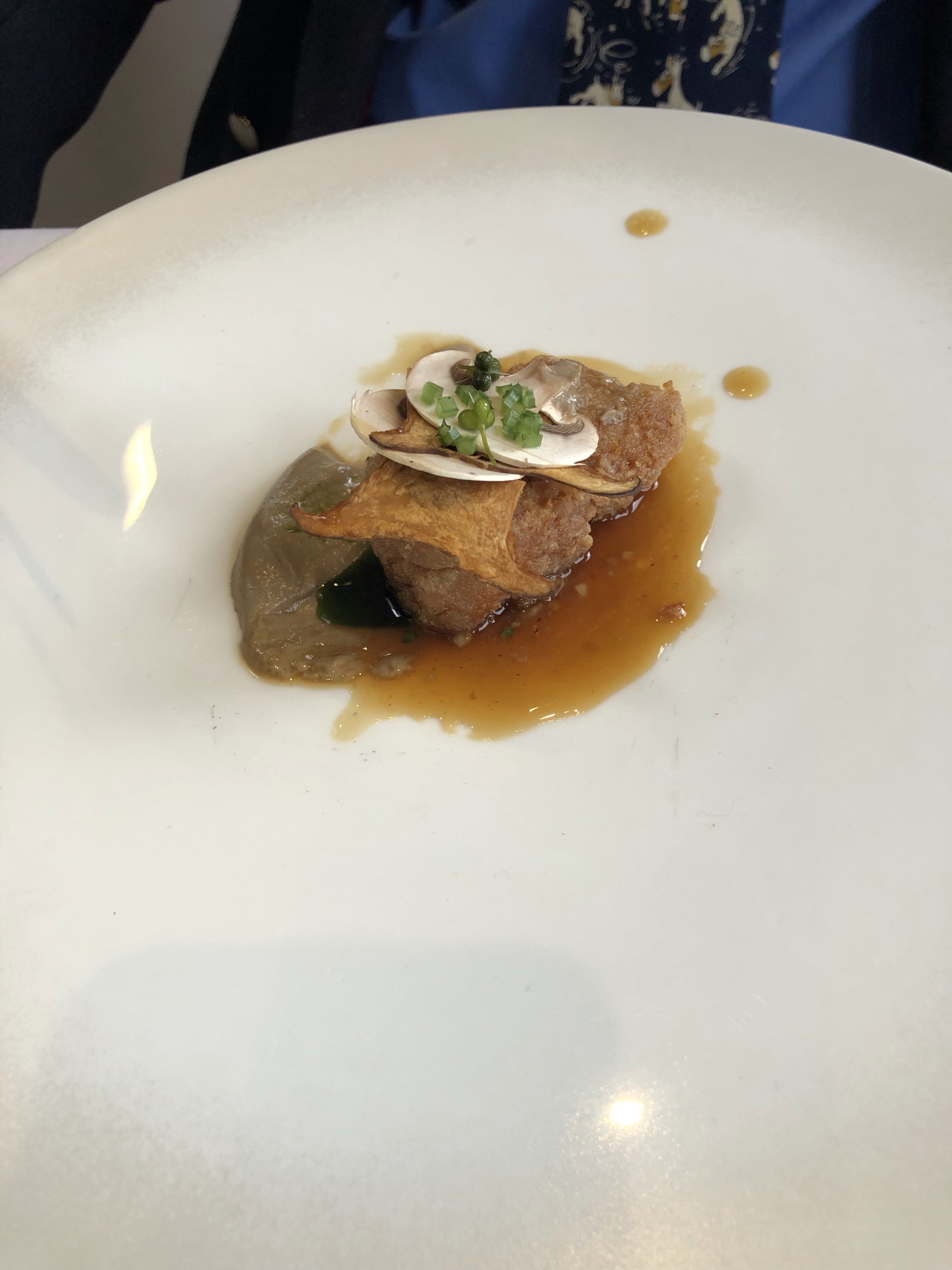
Dinner was nice, very nice but the best part was the Veal Sweetbread, which I could have easily eaten much more of it and Himself would really have liked seconds of dessert. The Asparagus was nice , the duck was nice but the turbot underwhelming. Nice being the operative word here.

Service at Breakfast perhaps was not up to Par, ( am I being critical here?) no condiments on the table but dirty dishes left on empty tables. Though my breakfast was nice ( again Avocado etc, but I have to say, it was better in Fodder, as it was served hot and condiments arrived instantly). So will we hurry back, probably not but it was a nice little trip, nonetheless.

Moving on, I wanted to explore Englands largest covered market. To my mind it will be an old fashioned market, selling everything from thimbles to hard hats, to tripe stalls to fish stalls. Disappointment ensued! The Jubilee Weekend, a four day public holiday and the market was closed. To say I was gutted is putting it mildly. Especially as Bury is a stones throw from Morecombe Bay, which is renowned for its seafood, shrimp and clams to the most wonderful fresh fish. I was/ am on the hunt for a fish, which goes by various names, Huss, Rock Salmon or Dog Fish, a wonderful pink white fish, but it is just not pretty., and it be.ones to the Shark family! Growing up on the Kent coast, we caught this fish, when it was about 2 feet long, easy to skin with a single bone down the middle. Great taste and easy to cook and absolutely great as Fish and Chips !

Sadly not to be this time around. Another trip to Billingsate Market, the UK main fish market.

Lemon Curd

Do you love your Microwave or is it just used for heating your cup of coffee?

Mine is in use all the time, from defrosting, to reheating , to concocting, and of course to cooking. I more or less cook all of my vegetables in the microwave, especially using the Lékué containers. It cooks faster ( basically steams) and no nutrients are lost in the cooking water, as there is no added water. I think of my mother, boiling cabbage until it was dead and then drying all that vitamin laden water down the drain.

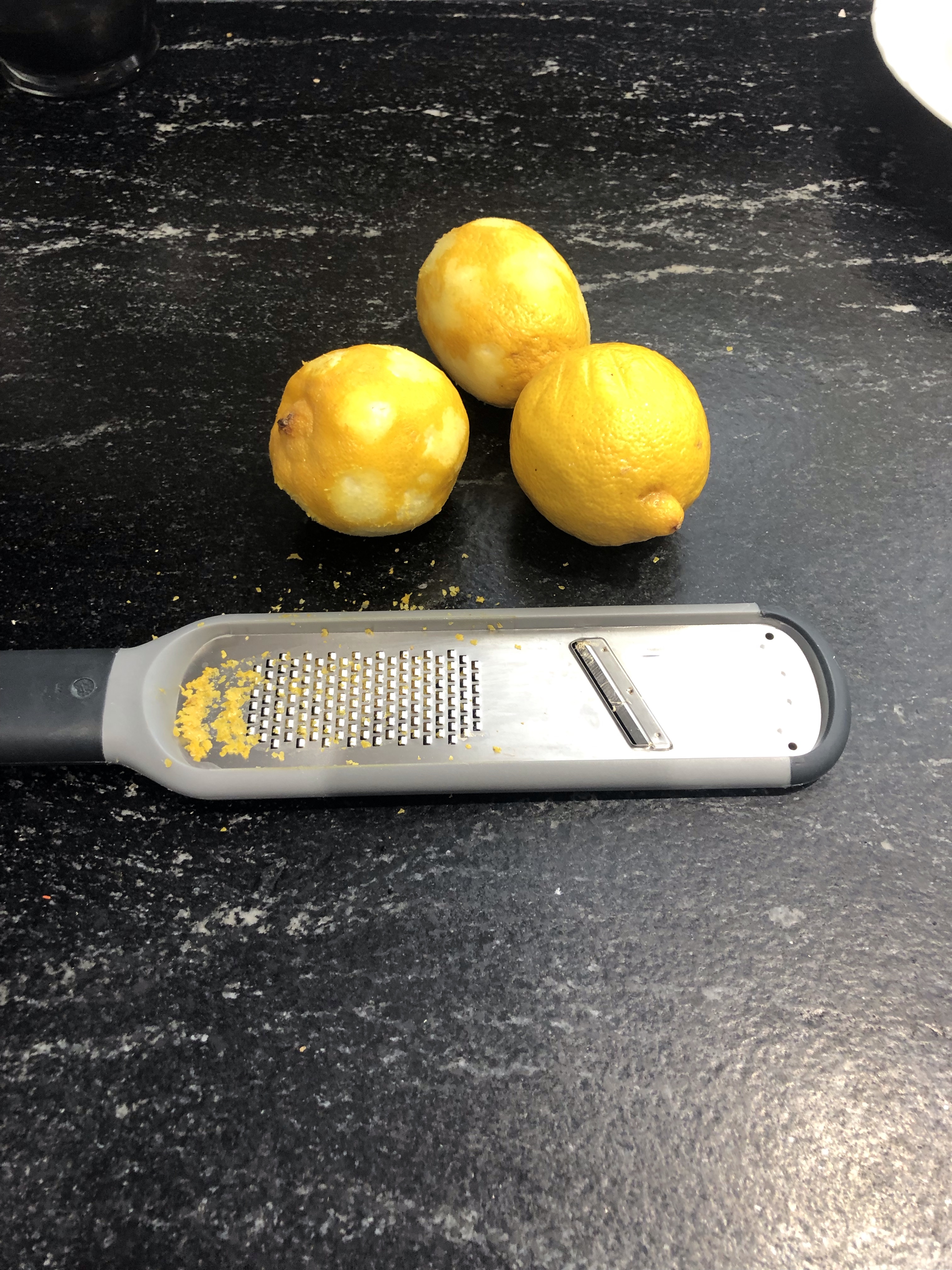
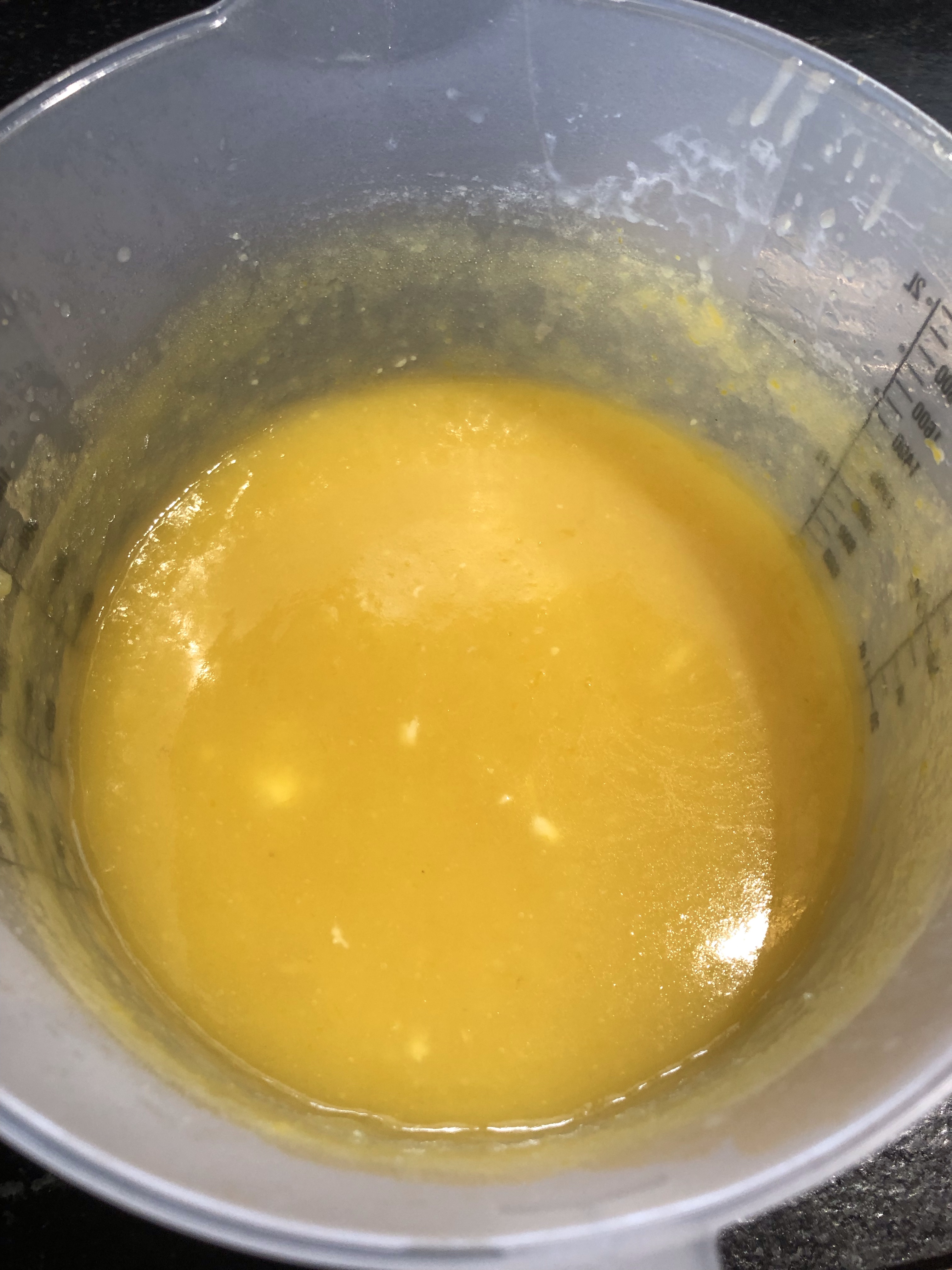
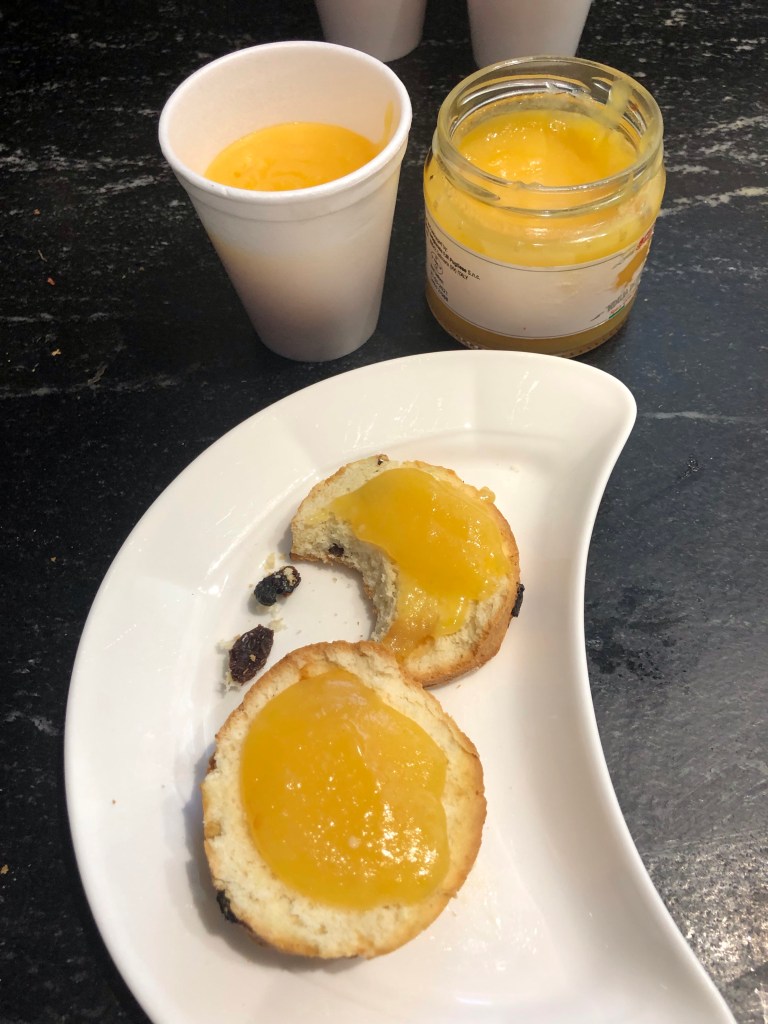
Yesterday, I noticed that there were a few lemons that needed using and so decided to continue on our Preserve theme. Lemon Curd. Home made lemon curd is miles away both in flavour and texture from Shop bought, but the down side is , it doesn’t have much of a shelf life. The plus side , when making it in the microwave, is , it is made so quickly, that it can be made in the morning and spread on your scones at teatime. Other plus points when making in a microwave are, not having to use a double saucepan or stand stirring nonstop.

  • To make 1-1/2 lbs of curd
  • Finely grated rind and juice of 3 large lemons ( pips removed)
  • 4 eggs beaten well
  • 225 grams, 1 Cup, 8oz caster sugar
  • 115 grams, 4 oz unsalted butter cur into chunks
  • Method
  • Put everything into a microwave proof bowl or jug
  • Cook on high for a total of 5-6 minutes stirring at 1 minute intervals, until the the curd is thick and creamy
  • Put the bowl to cool and whisk at intervals. The curd thickens upon cooling.
  • Pour into warm sterilised jars. Cover and label and REFRIGERATE . Refrigeration is important as there aren’t any preservatives in this and has a very poor shelf life. Actually, as I only had one small jar, I put the extra curd into paper cups and popped them in the freezer.

Of course other citrus fruits maybe used, such as clementines, limes and grapefruit. Probably just one grapefruit will suffice.

When I was at college in Manchester, just around the corner from my hall of residence was a Fish and Chip shop, the local CHIPPY, named locally as Sweaty Betty’s. When really poor we would pop in and ask for a bag of bits, namely all the bits of batter that were to be found in the frying oil,( most probably lard, not oil). They gave them to us for free!

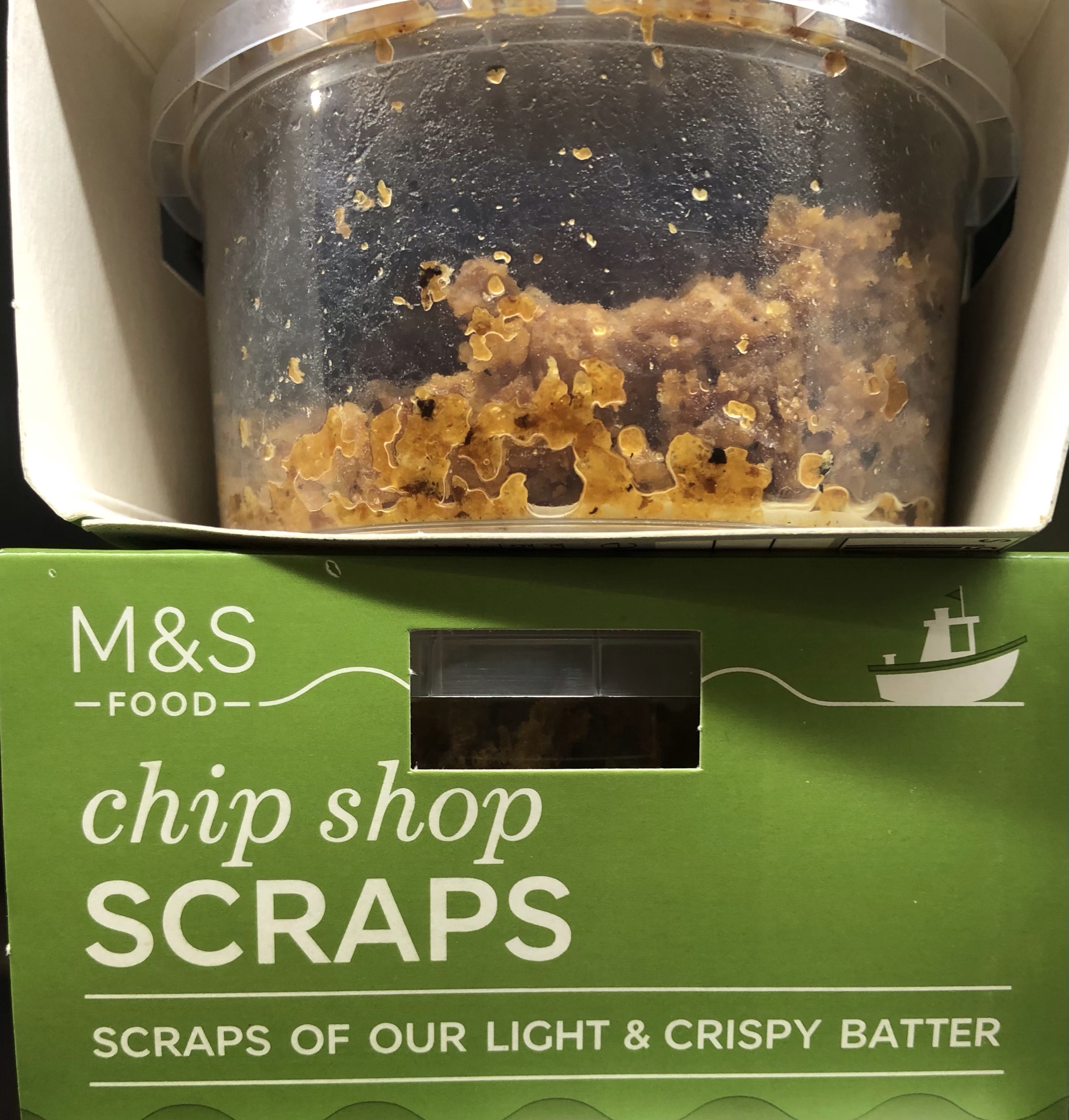
Yesterday whilst having a mini shop in Marks and Spencer’s flagship store, I found Their own brand of CHIP SHOP SCRAPS! At £1 for a tiny box, I don’t think I will bother! I wonder how long they will remain as part of their stock ? Good question !

Emptying the refrigerator.

Continuing on my theme of waste not want not, I have been raiding the refrigerator. Himself was a great nursemaid come cook, but the one thing he did not do, nor even think about was, what needed using in the refrigerator. This week, especially as we are escaping for a week, I rummaged further. And what did I find? Firstly some wonderful blue St. Agur cheese, one of my favourites, umm not today thank you, time to BIN it! And as for the ham, it had been opened, not sealed and left! Oops mouldy! Another for the bin! Actually that was all that needed dumping, whereas others were for food recycling, in the form of curries and soups.

Returning to my movie theme, I was thinking about The Adams family ( the original with the wonderful Raul Julia as Gomez, Anjelica Huston as Morticia and Christina Ricci as the lovely Wednesday. At meal times Morticia would constantly tell Wednesday ( her daughter)” Wednesday play with your food!” Whereas, what we have Moms said? Eat your dinner, don’t play with your food! Interesting concept. I thought of that comment, play with your food, and as I looked into my refrigerator, my thought was “ How can I play with what is in my refrigerator “?

Consequently, I thought in the first instance was Soup., But what kind of soup? Not my usual chuck it all in and make Refrigerator Soup, I needed to be more specific.

Hence, Spinach, and pea was formed. Elizabeth David in her groundbreaking book, French Provincial cooking has Pea Soup, using fresh peas. This was one of my Go To soups, Himself indeed was very fond of it, but I never ever made it with fresh peas.( after all, who wants to spend time shelling peas, only to make soup?).

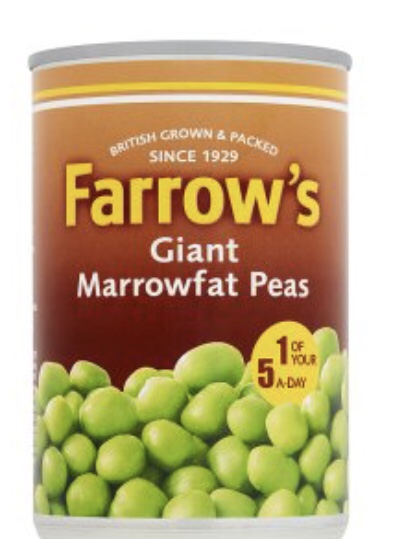
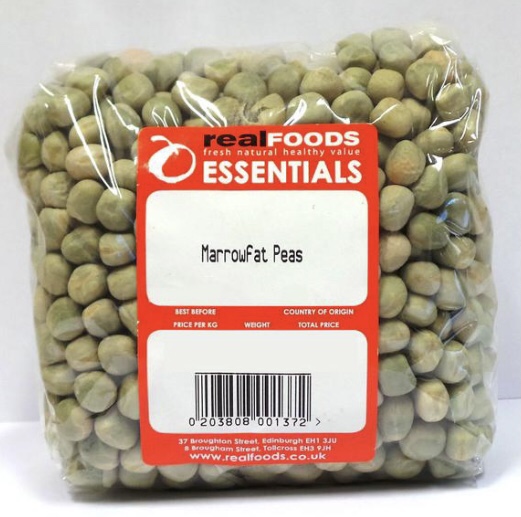
Frozen peas are the best! They are frozen within 2 1/2 hours of picking. In the UK, we are pea self sufficient, producing 160,000 tonnes each year. The average person in the UK eats nearly 9,000 peas every year. Frozen peas were developed in the first instance by Clarence Birdseye, in the 1920’s and haven’t looked back since. Apparently Queen Elizabeth the Queen mother , or so the story goes, never ate peas. Why? Well, either way of eating peas was considered uncouth, shovelling them , using the fork like a spoon, is a strictly No No but then again, jabbing them on the tines of the forks also “ Just not done “ But maybe that is why, when ordering Fish and Chips, they often come with Mushy Peas. Well I went to college in the North of England and mushed frozen peas do not equate to Mushy Peas. Mushy peas are Marrowfat peas, soaked cooked and mushed !

  • To make a lot of soup ( good for freezing)
  • 2 large onions chopped roughly
  • 1/4 lb butter
  • 1 kilo fine frozen peas
  • lettuce, one or two baby gem or a sweet romaine chopped
  • 1 litre water
  • 1litre milk
  • 200 grms washed spinach
  • Sugar to taste
  • Salt and pepper to taste
  • A very simple soup, but oh so good.
  • Melt the butter and add the onion and lettuce and let it wilt but do not brown.
  • Add the peas and the water,
  • When the peas are tender, add the spinach and bring to the boil.
  • Add the milk ( can add cream and or plain yoghurt)
  • Re move from heat, and I use a hand blender to give it a quick wiz to make a thick purée/ soup.
  • Taste and add sugar, and yes it does taste better with some sugar, and salt and pepper.
  • It is a little bit chunky and can be strained if you prefer.

Did anyone say Refrigerator Curry?

Who has seen, The Little Shop of Horrors? Where a plant screams

“ Feed me! Feed me! Feed me!
Feed me, Seymour

Having been sort of incapacitated for over a month now, Himself has been in charge of the kitchen, which also means the refrigerator. Now that I am semi mobile I had a quick Look See inside of my refrigerator and found several items that were Saying Cook Me! Eat Me! Which reminded me of SEYMOUR! I think he would have eaten anything.

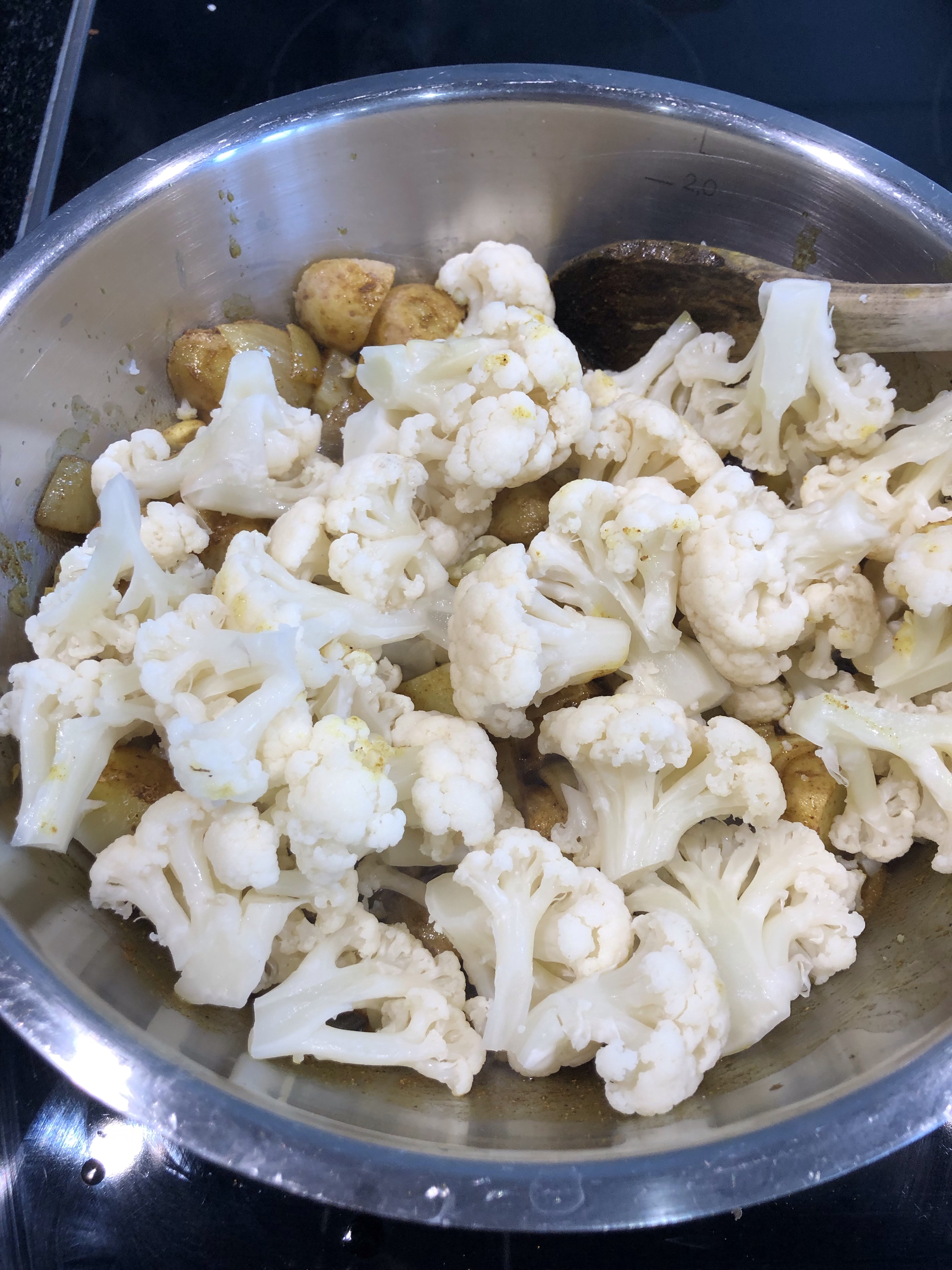
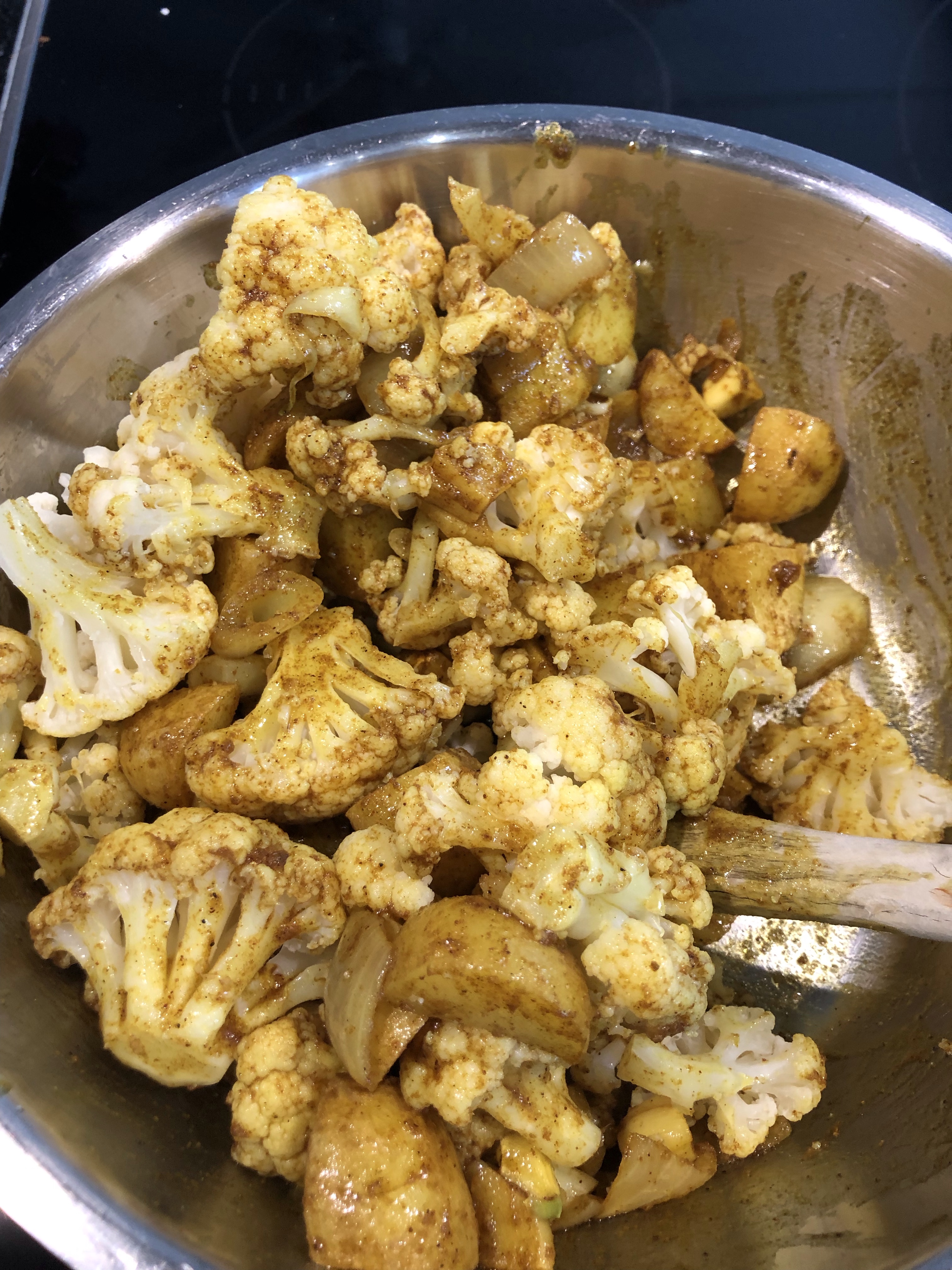
So what did I find , well cauliflower, potatoes, onions, celery ( outer branches distinctly yellow), mushrooms and the remnants of a bag of frozen peas. What to do? I hate throwing food away. So my immediate thought was a quick vegetable curry !

We have been watching JULIA on HBO / Sky, it tells the story of Julia Child, who was the American equivalent of Elizabeth David or Keith Floyd. She co-wrote the American best selling cookbook “ Mastering the Art of French Cooking” in 1961, whilst Elizabeth David’s book “French Provincial Cooking” dates from 1960. Julia Child was a larger than life person, and in reality she was 6’2” .

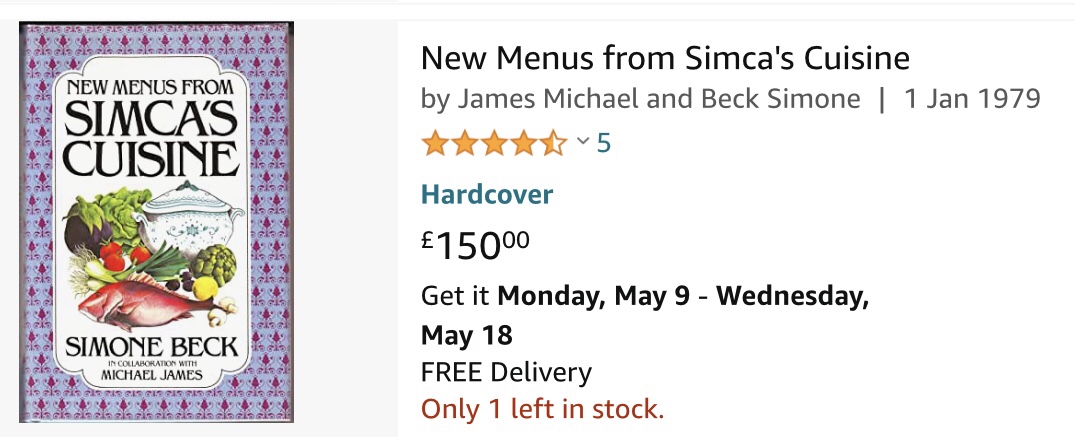
My very first foray into non English cooking was thanks to Elizabeth David, and I spent much time trying out her recipes and experimenting. Of course moving overseas for 30 years gave me ample opportunity to try out many different cuisines and I happened upon, Julia when we moved to Texas. Her cooking shows were a hoot. She was professional but also hilarious. However, somehow or other I never had a copy of her masterpiece back then, but did have an alternative from one of her co writers, Simone Beck, nicknamed Simca. During my Texas years, I acquired a Microwave, a huge heavy clonking thing ( almost unheard of in Europe at the time), I lugged it home from Sears Roebuck, dumped in my relatively small kitchen, where it took up a huge amount of space, and promptly started to experiment, of course with many disasters along the way.

However, every Sunday, I would produce a meal taken from Simcas Cuisine (1972), and what was different about her book was she had themes, a menu for Crayfish season, A family dinner on a Sunday, a Simple lunch etc, which I found invaluable, especially when I started my own cooking classes several years later in Brussels. And I taught exactly that, menus with themes, that were easy to follow.

But I digress, waste not want not was the motto growing up, and certainly for Himself , in a family of 8 it was a question of the quick or go hungry, his mother certainly did not waste. My usual go to for not wasting is my Refrigerator Soup but today was Refrigerator Curry. Obvious any vegetable may be used and I would recommend precooking those which are harder in substance, carrots, potatoes for example.

  • For a curry sauce
  • 2 onions
  • 2 cloves of garlic
  • 4 cm piece of ginger
  • a good dollop of ghee or splash of olive oil
  • 2 fresh red chillies , or a re spoon from a jar of chillis in oil
  • 1 heaped tablespoon of curry powder
  • 2 teaspoons of Garam masala, and of turmeric
  • Salt to taste
  • 1 x 400 g tin of quality plum tomatoes ( optional)

Method

  1. Parboil, steam or microwave some of the firmer vegetables and set aside
  2. Chops the onions, then peel and finely grate the garlic and ginger, or use some that you might have frozen or easier still, use from a jar
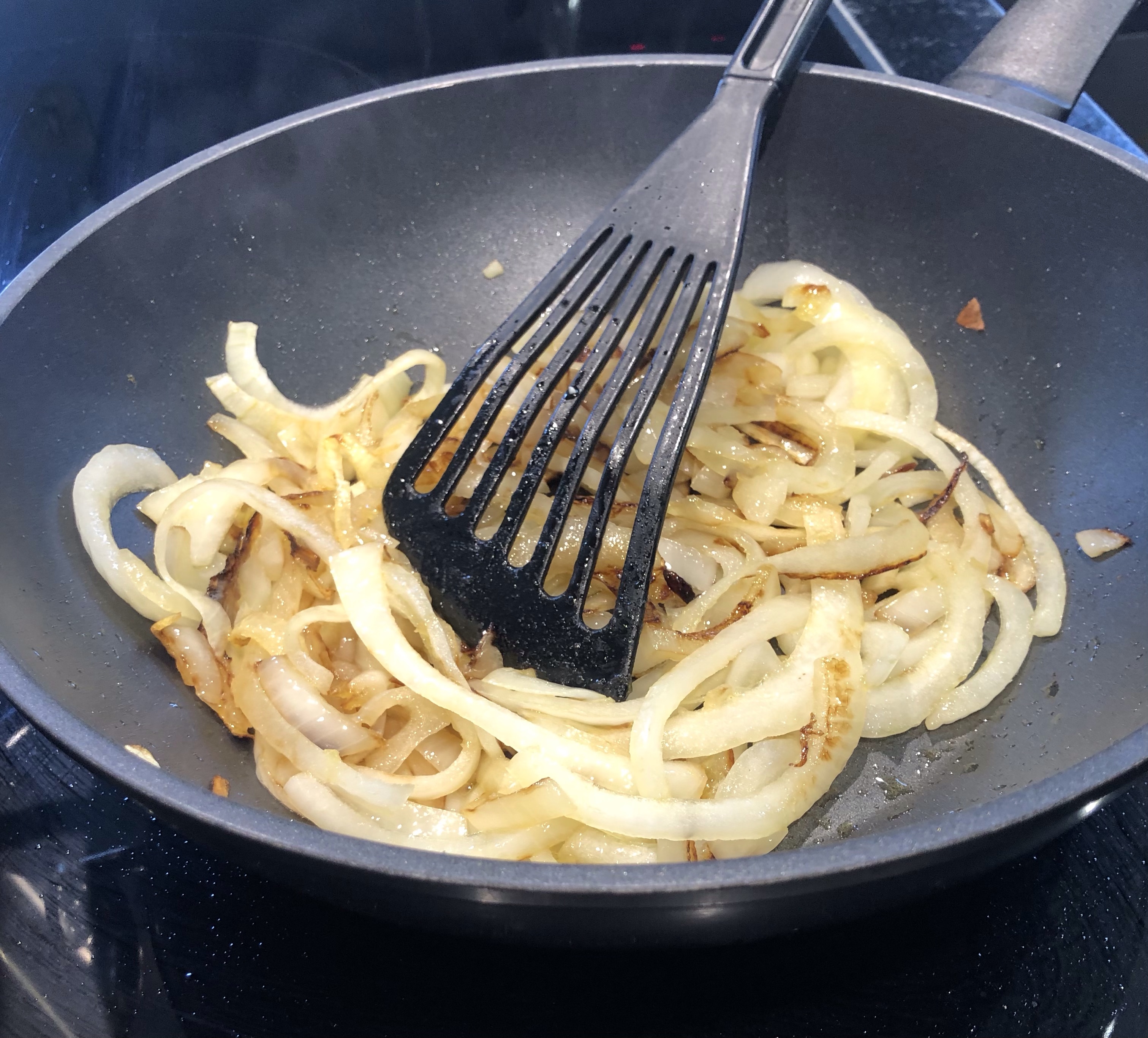
  3. Put a large pan on a medium heat with the ghee or oil along with the onion, garlic and ginger, and chillies stirring regularly.
  4. After a few minutes,stir in the curry powder, turmeric and Garam masala .Cook for a couple minutes, stirring regularly.
  5. Add the tomatoes, if using them, breaking them up with a wooden spoon and scraping up any sticky bits from the base of the pan. Simmer for a few minutes.
  6. At this point add the softer vegetables, mushrooms etc followed by the precooked ones and then the frozen pease. Taste and adjust the seasoning.
  7. If you like, coconut milk, or cream of coconut maybe added, or some sour cream, or plain yoghurt.
  8. This basic sauce can be made in advance , frozen in portioned amounts and of course can be added to cooked chicken, and seafood. Experimentation is the key word!

Kedgeree, or what is in a name.

Himself, was on a new learning curve today, caused in part by necessity, as friends were coming round.

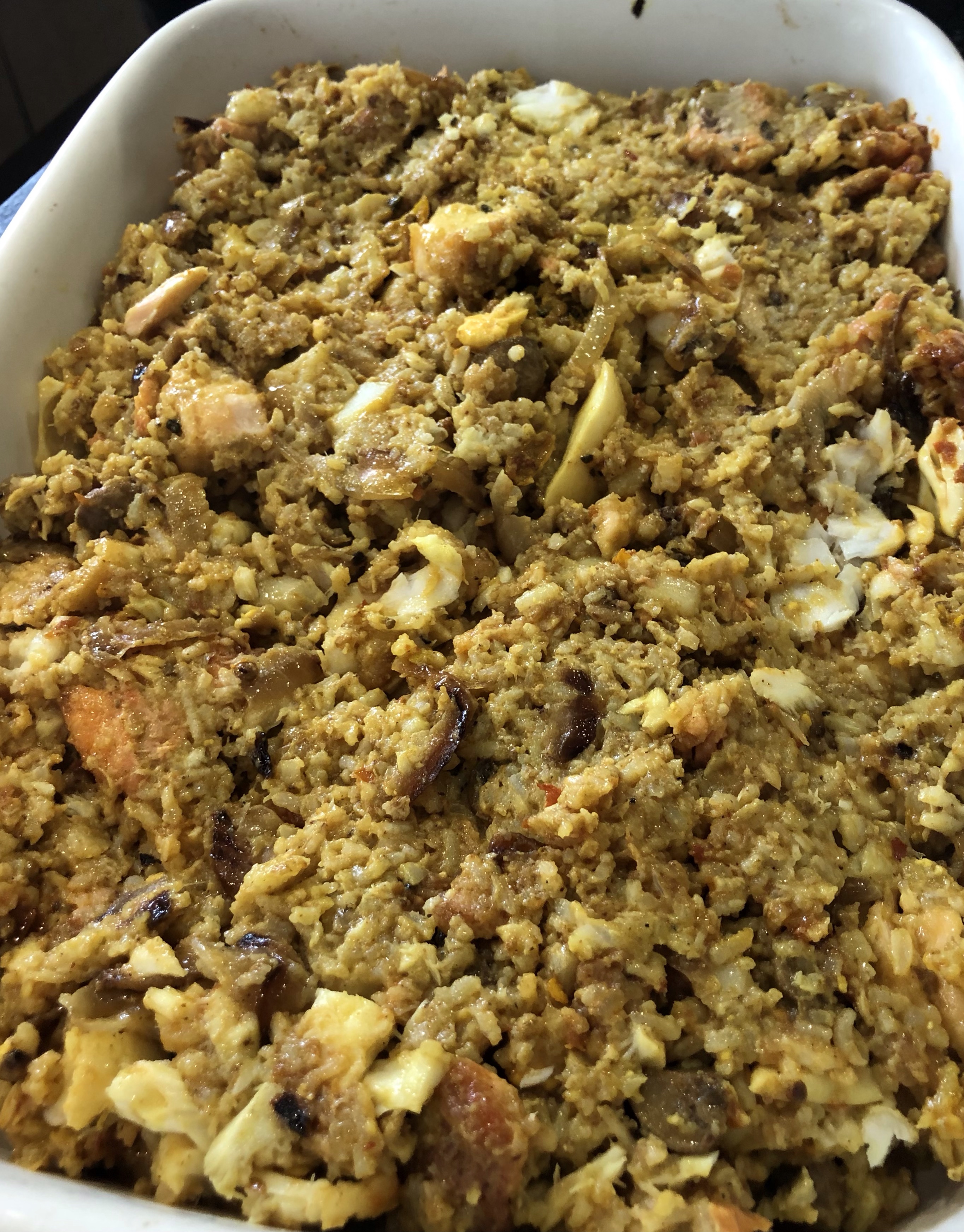
It was decided to have kedgeree, something which can be made well in advance and simply thrown into the oven to reheat. But what, exactly is Kedgeree, from where did it originate, and the name? What does that mean?

Apparently, it somehow drifted over from India, during colonial times, but the name or a version of it dates back to the 1300’s. According to Hobson-Jobson, there are various incarnations of Kishri, Kitchri, Kichiris, Kitserye, Quicheri, Cutcherry are just a few of the names used over the centuries. However, it would appear that early on it was more or less a stew of rice, lentils and butter, served to the animals. It was only in colonial times that it became more or less the dish that we know today. Originally, then fish might have been served separately. It was a very common breakfast meal at Anglo Indian tables. Consequently, at the end of the this period, the meal found itself on the tables of Victorian England and beyond.

We consulted several books and decided on a melange, of the found recipes. Some called for basmati rice, whilst others brown rice and yet others lentils. All required fish, some just used haddock, whilst others used a mixture. Absolutely all required chopped boiled eggs and spices including curry powder, cream and butter.

  • For 4+ servings
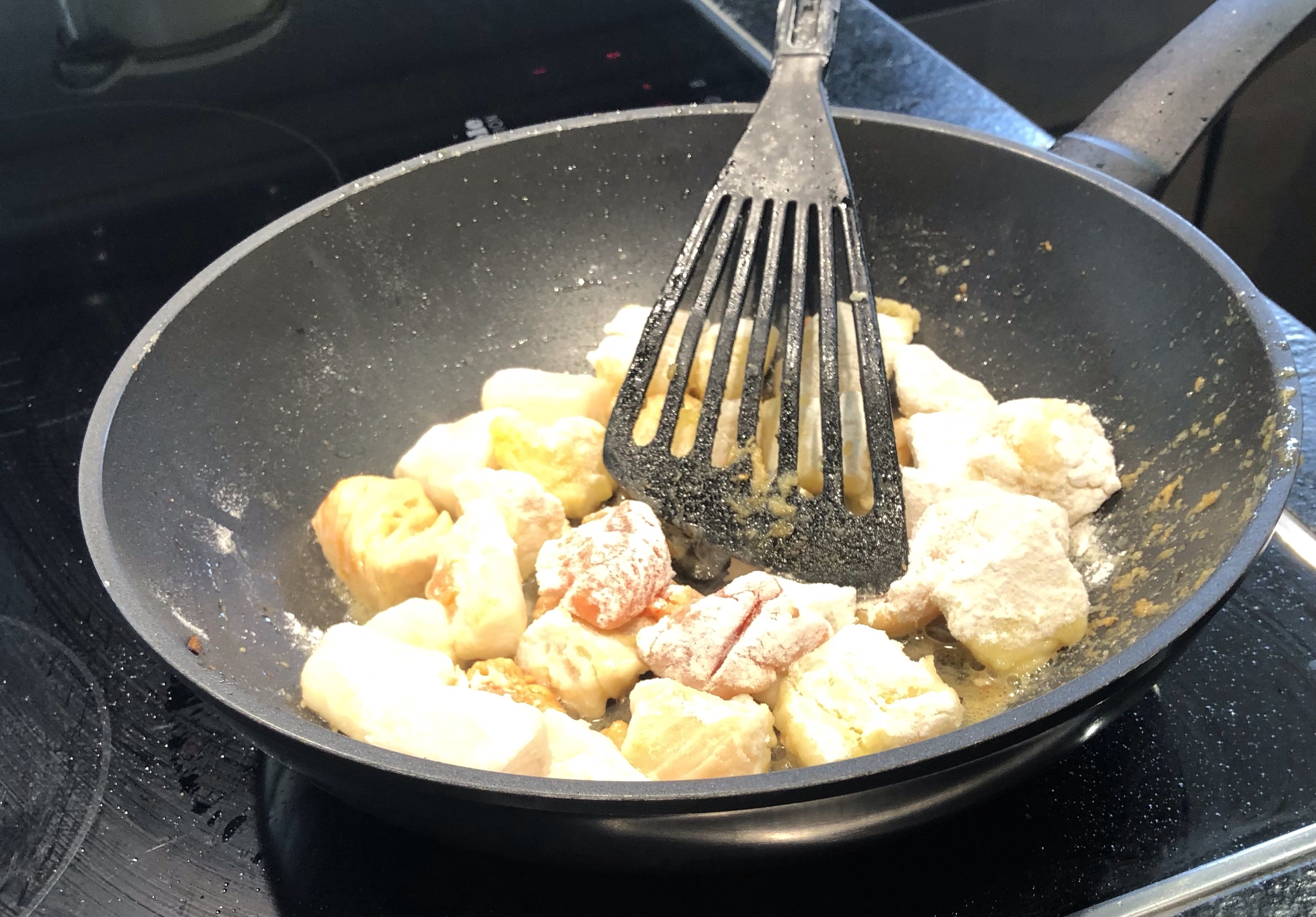
  • Fillets of fish, smoked haddock, salmon, white fish ( use cod, haddock etc) cut into chunks , lightly dredged in flour and sautéed in either ghee or oil until cooked
  • Prawns cooked (optional)
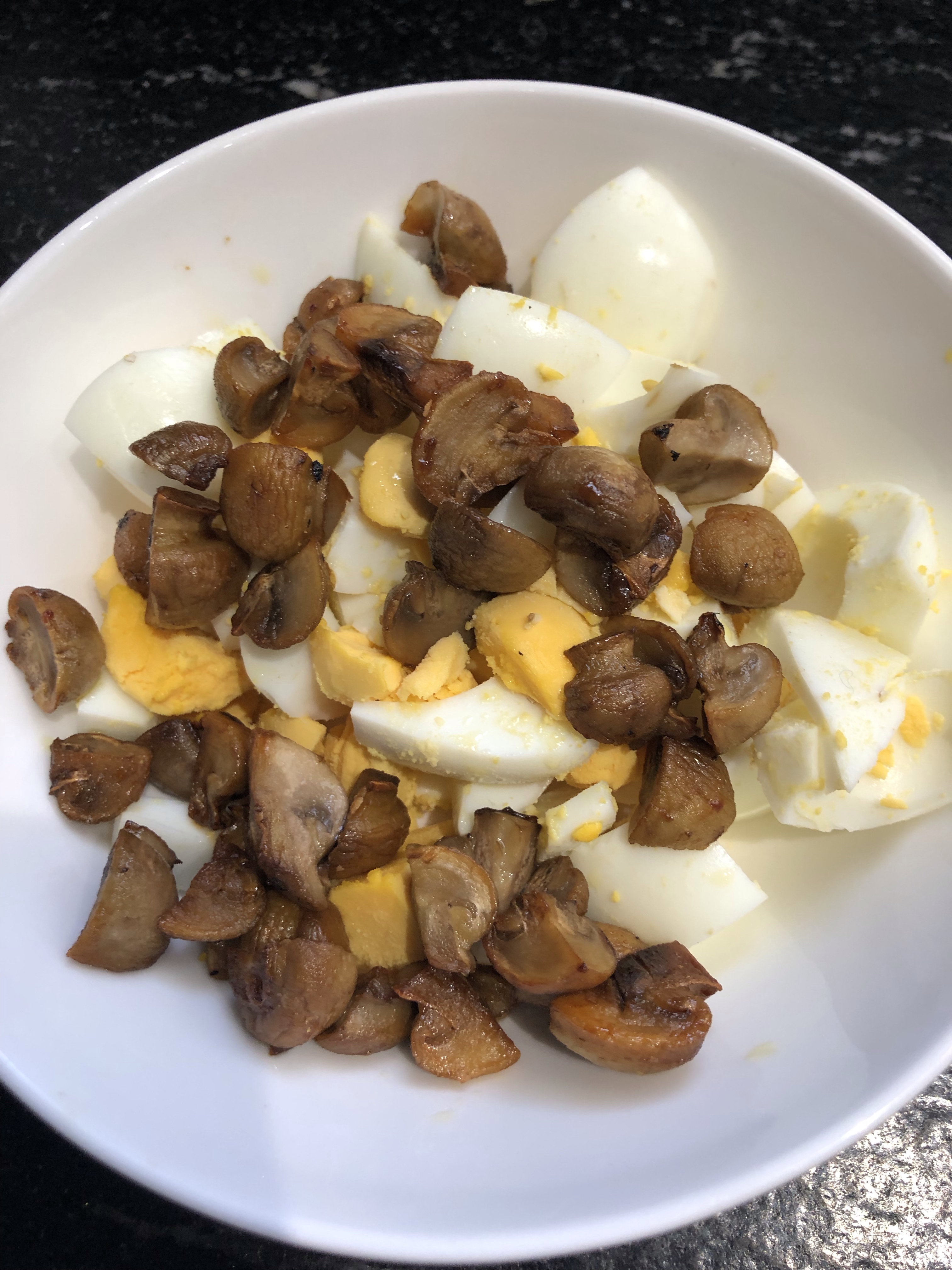
  • 4 hard boiled eggs peeled and roughly chopped
  • Large onion, sliced and sautéed until brown
  • handful of mushrooms sliced and sautéed
  • A mix of spices including turmeric, cumin,curry powder, salt to taste ( want it spicier, add some chilli powder or harissa)
  • 350 grams cooked basmati rice
  • 200 mls double cream
  • 1/2 tsp tomato purée ( optional)
  • Large knob of butter
  • Knob of ginger peeled and chopped
  • Couple cloves garlic, peeled and chopped
  • 100 mls fish stock ( cube or powder is fine)
  • For the sauce
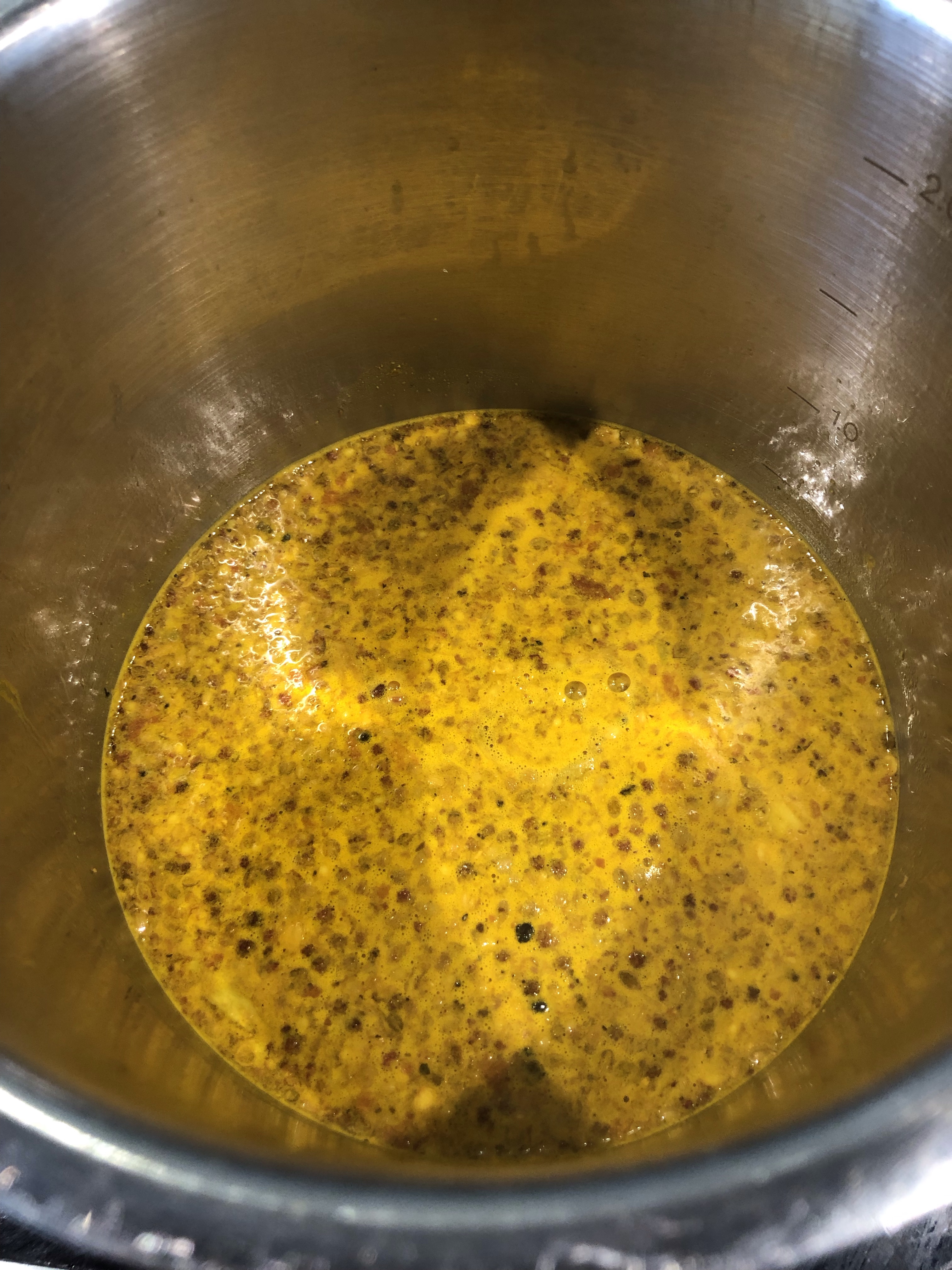
  • melt the butter, add the garlic and ginger cook gently until softened but do not let burn
  • Add the spices, add the tomato purée if using and the fish stock, boil and reduce it to about half, pour in the cream and let it simmer for about 5 minutes
  • To assemble
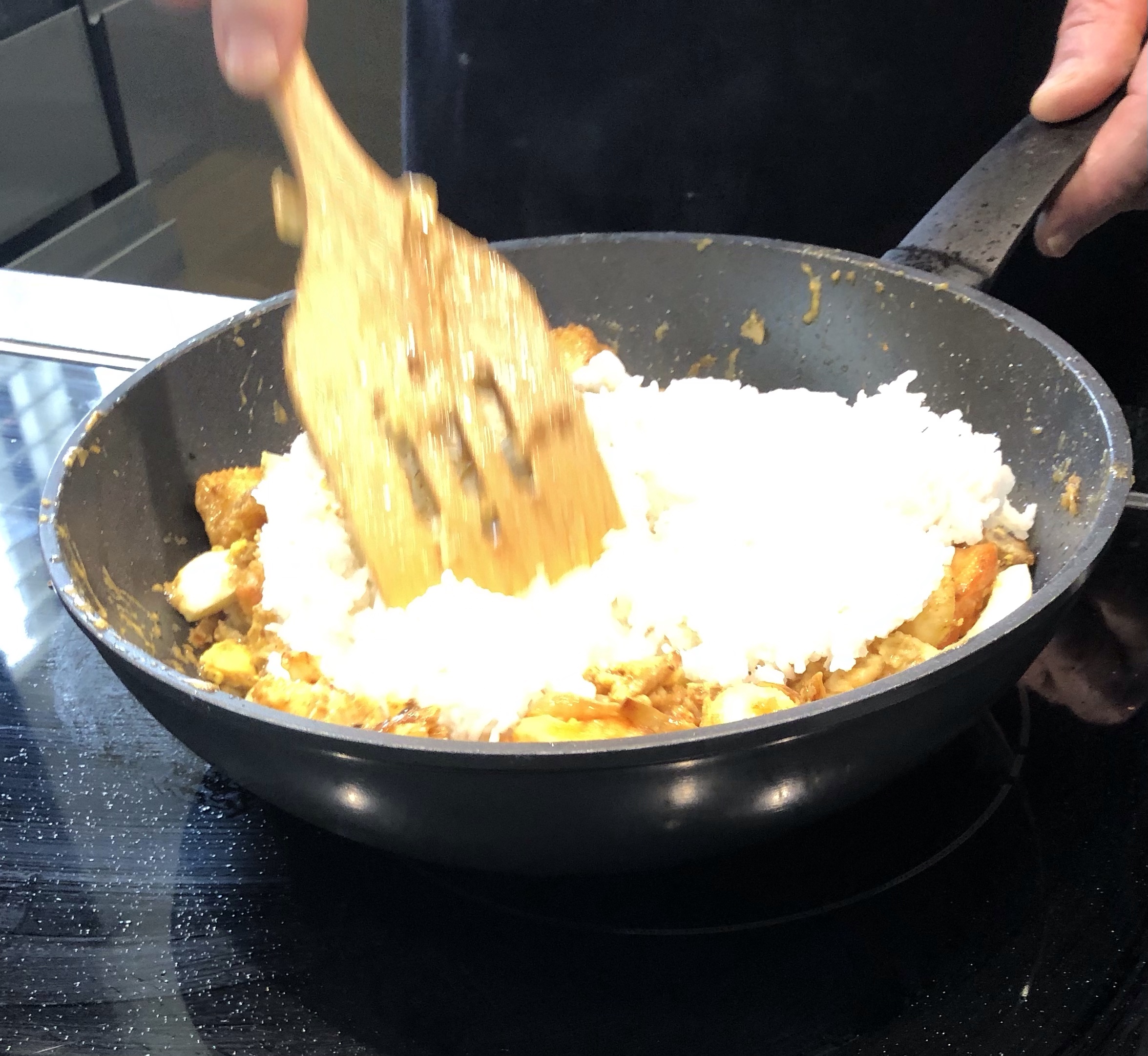
  • Mix the fish, onions, rice and mushroom together, pour over the sauce and very carefully mix it all together , along with the chopped eggs. I say carefully as we do not want a MUSH. Taste and adjust the seasonings.

Put into a casserole and can be left until ready to use. Can be made and left overnight in the refrigerator. Bake in the medium hot oven until heated through. Eat with salad.

The Phantom Jam Maker is at it again !

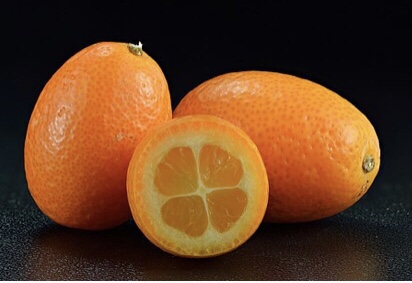
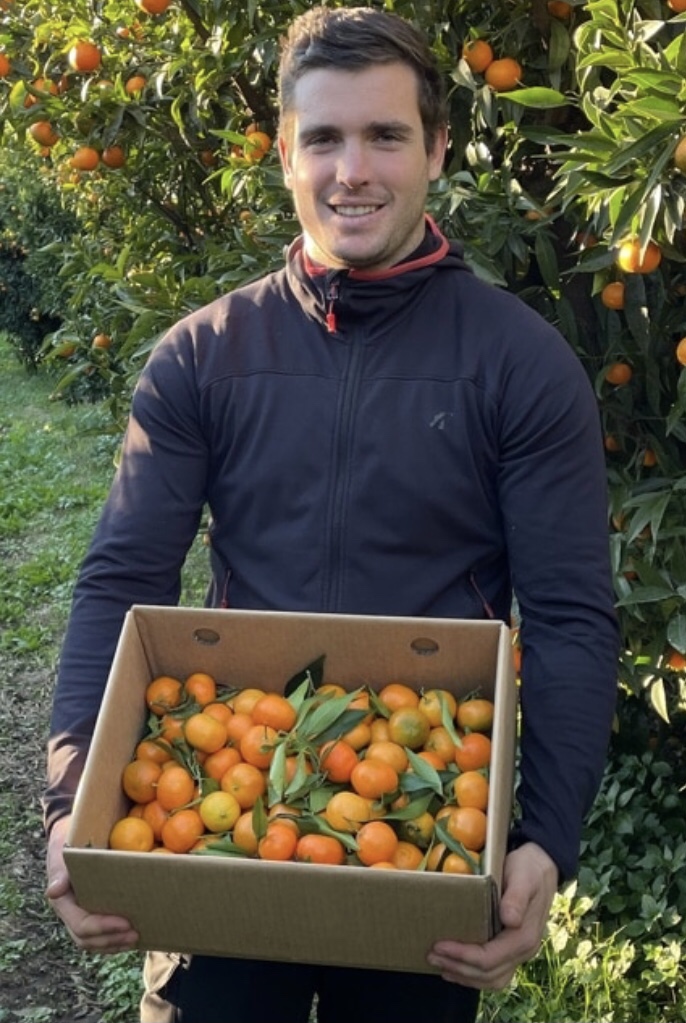
Is there no stopping him ? It would seem not. During my luxury hospital stay he appeared bearing Bubbles to have with my dinner, but also announced the arrival from Spain, Avocados, Tangerines and Kumquats! What was he meant to do with them ? Avocados, no problem, they ripen gradually in the refrigerator, but the rest? Kumquats went into the freezer whilst the tangerines became marmalade.

But come Sunday, he reminded that the Kumquats were languishing in the freezer, and so it was Kumquat Jam was made. It really is a cross between Jam and marmalade and made in exactly the same way, except as our fruit was frozen, it was put into boiling water and once defrosted the fruit was smushed using the handheld blender.

Also in his repertoire this last week, was Ron’s Mum Mulligatawny soup, Chicken curry, Indian potatoes , Homemade Naan and créme anglaise ( custard to you and me)! What with the Laundry, the cleaning, and the silver polishing, he certainly has been a busy body.

I have written about Mulligatawny soup previously, so apologies. However this is a quick standby soup, when guests arrive unexpectedly. ( all you need in the store cupboard is a can or two of condensed chicken soup …. Or homemade of course……..or a convenience store close by ) Ron, was a dear friend who sadly passed in 2003. Her Mum came from what was Burma and made a mean Mulligatawny Soup. Ron asked me if I happen to have her Mums recipe as she did not and Mum was no longer here to ask. Of Course, I had the recipe and here it is.

Ron’s Mum Mully Soup
2 Onions chopped finely
6 cloves of garlic crushed
2 tsp both of Turmeric and of ginger2 tsp curry powder
1 litre of water or stock ( you may used bought)
a cooked chicken breast , finely chopped
1 tin condensed cream of chicken soup
2oz creamed coconut 1 lemon cut into wedges
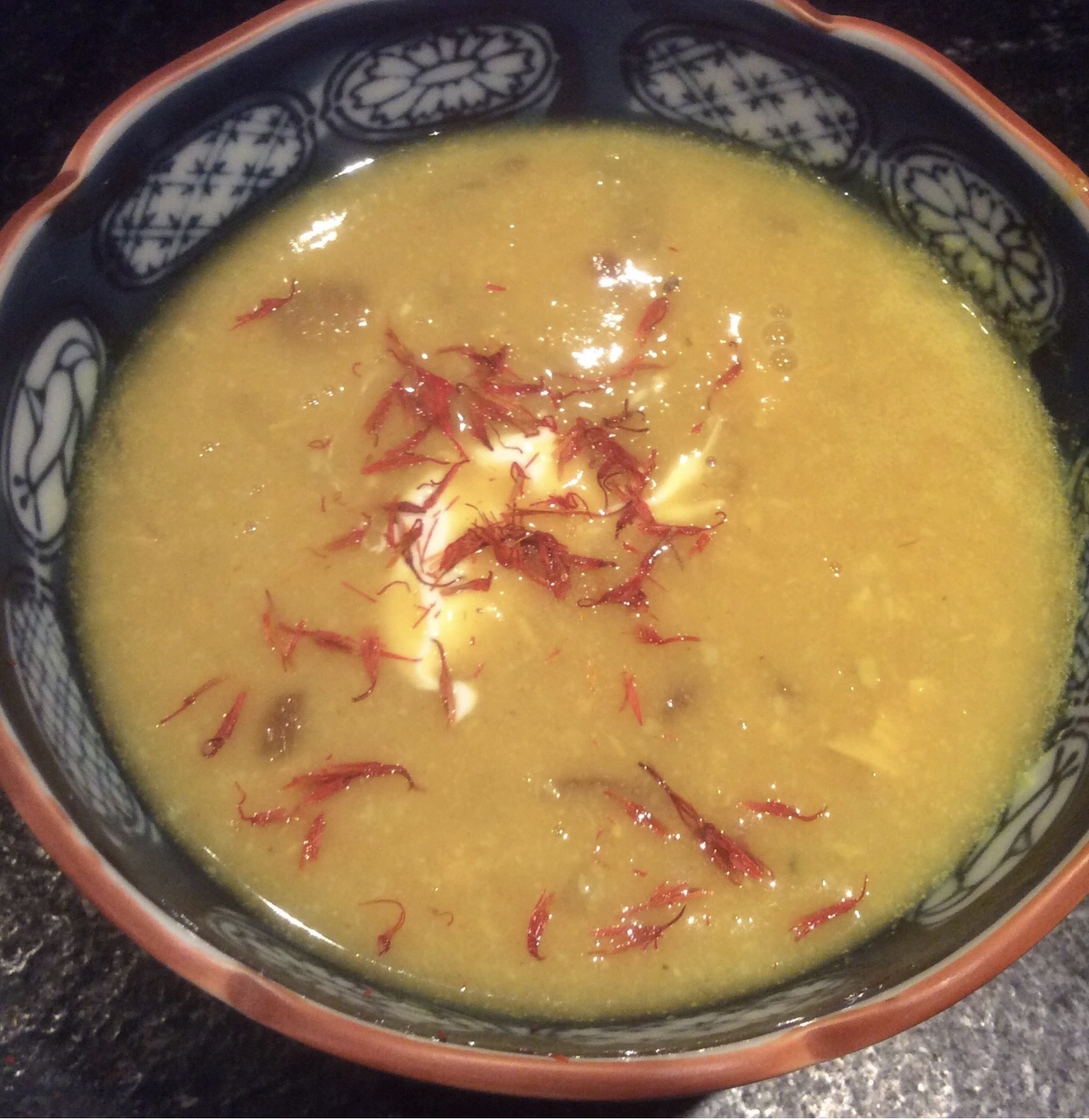
Fry the onion in a little butter or ghee until translucent , add the spices, add the stock along with the chicken. Bring to the boil and add the can of soup, mix well. Add the creamed coconut and stir well to mix. Here it maybe blitzed in a food processor or by a hand blender to give a cream soup, or left a bit chunky. It can be made a little richer by stirring in either some cream or some plain yoghurt.Test for taste and adjust seasoning ( salt and pepper) serve with a wedge of lemon or a garnish of chilli flakes or strands of saffron.

Marmalade

Here at Oysters and Champagne HQ, things have changed for a while. I am a bit incapacitated having had both knees operated upon last week, and so it falls to himself to be in charge, be chief cook and bottle washer and the whole kit and caboodle. And boy has he stepped up to the plate. Rather stupidly I had ordered through Crowd Farming, Kumquats, Tangerines, Avocados and olive oil, the first three duly arrived during my stay in hospital, with me getting urgent messages from himself, What do I do with these !

Never Fear, He is now the master of Marmalade. It had been said that Mary Queen of Scots was unwell, in France. To try and make her better, servants brought her some Marmalade, but all she heard was (” Ma’am est Malade “) Madam is ill but apart from anything else, it means we can always remember how to spell Marmalade correctly. The story although cute is probably incorrect as Marmalade came to the UK via Portugal, and as a quince paste. It is only in the UK that Citrus fruit Jams are called Marmalade, elsewhere they tend to be a generic JAM or Jelly in the USA. In fact my friend in Texas asked, What did he make it with !

So, my first day I at home I sat in the kitchen giving instruction. Basically equal amounts of Fruit, sugar and water, a good strong large pan, a large wooden spoon for stirring, and a jam thermometer and don’t forget you also need jars for the finished product.

Trying to make things very easy for him, the fruit had the small stem bit removed, washed and then shredded on a food processor with a grater attachment. Our oranges were in fact Tangerines, with no-pips. The fruit, sugar and water were put in the pan, stirred and brought to the boil. Jam thermometers are not expensive and make life much easier, rather than testing for setting, sometimes putting in jars, leaving to cool overnight only to find it is not set! It is imperative that the jam mixture rises to a temperature of 105/6 Centigrade. And surprisingly, it seems to take an age from reaching boiling to reaching 105 C. The best advice is, take it slowly, a long slow boil is far better than turning up the heat to a rapid boil. If for nothing else a rapid boil could and most probably would result in the jam boiling over and making an unbelievable very hot mess AND burning on the bottom of the pan ! Neither of which is desirable.

In making jams with citrus fruit, especially Marmalade and especially when cheating by shredding, it is not necessary to use Preserving sugar as citrus fruits are rich in pectin and do not need any extra help, whereas fruits like strawberries, need all the help they can get by adding pectin in the form of Lemon Juice and preserving sugar. However, making Marmalade, extra water is needed for a longer boiling period to soften the relatively tough skin.

Jars need to be sterilised, and in the past I have used the microwave but as we now have a shiny new boiling water tap ( see he was very busy whilst I was hospitalised ) it became very easy. Remember, after filling the jars with boiling water, to drain them on a clean cloth. When the marmalade has reached the correct temperature, dry the jars with kitchen paper and place on a wooden rack or thick towel ( if boiling liquid is put into jars which are on a stone or granite work service they will crack). Seal the jars with the sterilised lids and leave to cool !

Chickpea Fries or Panisses

Chickpeas have not really been on my radar, apart from them being one of the main constituents of Hummus, and how we all like Hummus. And there again, Hummus is not something I eat on a daily basis, or even that often but good for snacks ( when little ones are visiting) good for picnics, but I have to admit that it is something I usually buy.

However, we ventured out for dinner the other night , we seem to have become hermits, but out we went and we have a plethora of restaurants all within walking distance. We chose JIKONI which is basically an alternative Indian restaurant. Will we rush back, probably not, the menu was extremely limited ( just me being fussy as I don’t like huge menus either), but we were a party of four and there were just four items listed as starters and four as main courses. One of our starters was Chickpea fries which have completely changed my mind about chickpeas!

Panisses ( Fr), Panizzie( It), have been around for thousands of years but originally from Liguria, and then wandered across to the south of France particularly in Marseilles and Nice.

They are made with Chickpea flour, which of course not flour in the traditional sense. Indians use chickpea flour which is called Gram Flour. It is gluten free and used to make flatbreads, pakoras, BHAJI and in curry. Plain chickpea fries are a bit bland but can be spiced up by adding spices of your choice.

  • 250 grms chickpea flour ( gram flour)
  • 750 mls water
  • Good pinch garlic powder
  • Pinch of salt
  • Tsp caraway seeds or cumin seeds
  • And other ingredients according to taste :-
  • Harissa powder, English mustard, Garam Masala
  • Beat together in a large saucepan all of the ingredients and beat until smooth.
  • Put on the stove top and bring to the boil, stirring, once boiling turn the heat down, stir until the mixture comes away from the edge of the pan.
  • Remove from the heat and tip into large greased baking trays, smooth out, so that the mixture is about 2cm thick.
  • Leave to cool
  • Once cool and cut into chunky chips.
  • Heat some oil and either deep fry or shallow fry the chips and when golden brown, place onto scrunched up kitchen paper to drain.
  • Use at once maybe with some peri-peri mayonnaise or sriracha.
  • They can be reheated ( if you have leftovers!) in the oven.

More on Avocados and how often do you cook?

How often do you cook? I believe that the average Britain cooks far more often than their American counterparts, but I could be wrong!

How many recipes does the average person know?

A new survey found that the average person only knows how to cook five meals or less without a recipe. One in three say they only try a new recipe about once a year. And despite the proliferation of cooking shows on TV this hasn’t actually translated into people cooking more. However it has translated into supermarkets offering many many more ready meals and since the pandemic companies offering ‘ Cook your gourmet meal at home’ have really taken off. I saw only yesterday that Michel Roux Jr , two Michelin Stars at Le Gavroche has joined the throng of home deliveries, and for £79 you can get a meal for two! During the Pandemic and Lockdowns even CORE ( Clare Smyth) the three Michelin starred restaurant was offering such a meal. Hers came complete with video, instructions , food and a pair of mini tongs to pick up and arrange the garnishes. However at £175 pp ( minimum order 2) it meant a lot of pfaff ,no one to serve it and certainly no one to do the dishes !

It is reckoned that the average person only churns out the same meals week after week. It reminds me of the movie Shirley Valentine, where the husband demands his Egg and Chips because it is Tuesday. Once when we had a live in Au Pair, she declared that in her house, Mondays was left overs, Tuesday shepherds pie, Wednesday ? Etc, week after week! And my question is, has this changed over the years. My mother when she came to stay complained that she never knew what we were going to eat as I really do not follow any plan. I open the refrigerator/ freezer and ponder and then decide what to cook ! Himself also has no idea what I am concocting !( but likewise, when himself decides to cook, I never know what is up his sleeve)

I love trying new ideas and one which I gleaned from our trip to Abu Dhabi was something to try with Avocados. I have been buying avocados in bulk from Spain, I ripen a few and then refrigerate the rest and they ripen slowly. Avocados are picked when they are hard and ripen off the tree. Almost, always eaten raw, used in salads, guacamole but also for ice cream and milk shakes. In Abu Dhabi, they were served in Dijon mustard and honey, which I ate for breakfast almost daily but have only just tried them at home.

So what do we know about Avocados. Well, they are high in monounsaturated fats ( lowers the cholesterol). They contain vitamin B 6 and C, magnesium and iron (folate, niacin, riboflavin, Thiamine, vitamin A, AND ounce for ounce contain more potassium than bananas ( all those tennis players should start eating them on court). However, they are high in fat and hence calories. Avocado oil is a light delicate flavoured oil, good for salad dressings but NOT for cooking !

So there isn’t really a recipe for this version of eating Avocados, just add a dollop of Dijon mustard, a liberal sprinkle of lemon juice, fresh or bottled, a teaspoon of honey according to taste and a sprinkle of Sumac to serve. Eat with toasted sourdough bread.

What to do with……. Carrots!

I’m always on the lookout for new ideas for vegetables. Last week it was the Hispi cabbage ( also known as Sweetheart Cabbage), available in Marks and Spencer. This week I have a glut of carrots, well not a glut exactly, just over bought and we are leaving town.

My lovely son bought me not one but two cookery books for Christmas. A large by Tom Kerridge , the Michelin Starred Chef and another one by Yotem Ottolenghi.. A quick look through over Christmas and out came my sticky tabs, lots and lots of ideas.

And so it was the other night, looking in the refrigerator and deciding what needed immediate attention and out sprang the carrots! Well not exactly, springing but they did stare me in the face!

This book by Ottolenghi, comes from his test kitchen and is labelled SHELF, the idea behind it or so I believe is using what you have, especially that which is on the pantry shelf .

A leading supermarket the other day declared that they would no longer have “Use By “ dates on its own brand of milk, as apparently, about 490 million pints of milk are poured down the drain annually in the UK. They want people to use the sniff test instead! All very well, but I’m puzzled as to how one does this in the store ( with a sealed container) and, if it is “Off” how does the store rotate their inventory, or how does the customer return sour milk if there is no date marked? Just a thought!

Me, on the other hand am a great believer in the look and smell test for everything. Very wary of fish and chicken, but even so, as I freeze all my fish and chicken, salmonella doesn’t even enter my head! For many supermarkets food is reduced either early morning or just before closing time, which is obviously a good time to buy if one is on a tight budget. But beware the fish and poultry! I was once in my local, ( read not favourite) French supermarket, when my daughter pointed out fish that was reduced for “Vente Rapide” , it no one in their right mind should have bought it as it was green !

Back to Ottolenghi and carrots. I usually use recipes as an inspiration rather than follow to the letter of the law, and so it was with the carrots. It is smushed carrots, with Middle Eastern spices, a coriander and pistachio pesto and yogurt. I varied this by omitting lime juice and onions and served the carrots with Sumac crusted pan fried salmon.

  • For the carrots
  • 1-2 kilos carrots, peeled and sliced
  • 100 mls good olive oil
  • At least 8 cloves garlic peeled and crushed
  • 2 tsp each of caraway seeds, coriander seeds, crushed
  • Some chilli flakes, according to taste
  • 1 tsp turmeric powder.
  • Salt and pepper to taste
  • 1/4 maple syrup
  • A small carton plain, unsweetened Greek yogurt
  • For the Pesto, olive oil ( half of the above) half bunch fresh coriander, juice of 1/2 lemon, a handful of nuts ( I used walnuts, but probably pistachios are best.

Heat the oven to about 160 C, put half of the oil and spices into a roasting dish, add the carrots and garlic, and roast for about 30 minutes until the carrots are almost soft. pour over the maple syrup and roast for about 10 minutes or so, the carrots will become slightly golden.

Smush the carrots with a fork or potato masher, but I used my hand held blender on slow speed. You really need to have a chunky type of smush !

Meanwhile blend together the nuts, lemon juice, coriander and olive oil to make the pesto.

To assemble, simply arrange the carrots on a serving dish, dot with the yogurt and the pesto.

My salmon, I dusted in Sumac and pan fried.

Sumac is the name of a spice, but what makes it extra special is the complex set of flavors all in one. So it is stringent, sour, smoky, extra tart, earthy all at the same time! It is the fifth most used spice in the Middle East ! Try it on salmon, try it on chicken, both are good,