

Today I read about the Death of an Icon! Who? No! it’s not a Who, but a What? It’s the iconic Gentlemen’s Relish. What on earth is a Gentlemen’s Relish? Well it is also called Patum Peperium , but this is a mock Latin Phrase taken to mean Pepper Pâté. Actually it was a British brand created in 1828 by John Osborn and is a savoury paste with a salty fishy flavour and is made basically from salted anchovies. It is ( a bit like Worcestershire sauce) a trade secret as to how it was made. However it was acquired in recent years ( date unknown) by AB Foods and its manufacture moved to Poland and now they have killed it off!
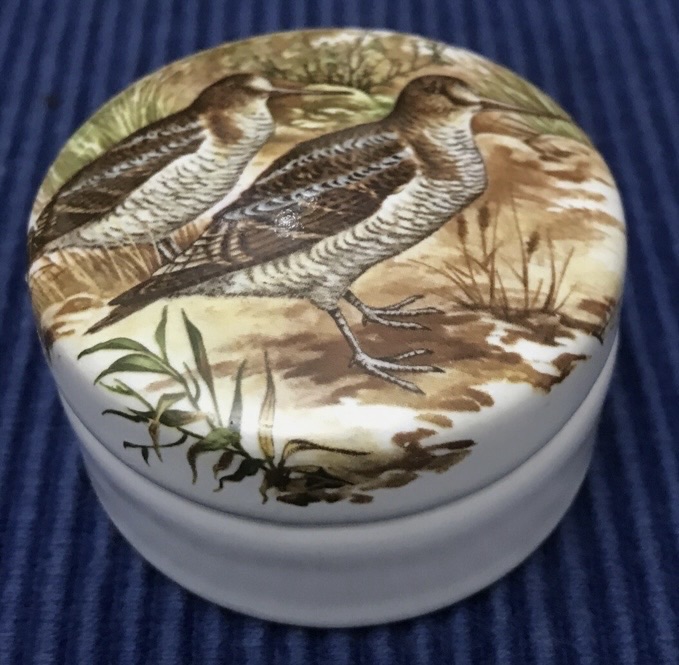
So they have kept the recipe,which remains a secret, but there are many recipes online and I include one here. The best part of being able to buy this delicacy was the wonderful containers in which it was packaged, but also , again, no more !( but plenty to be found on eBay)


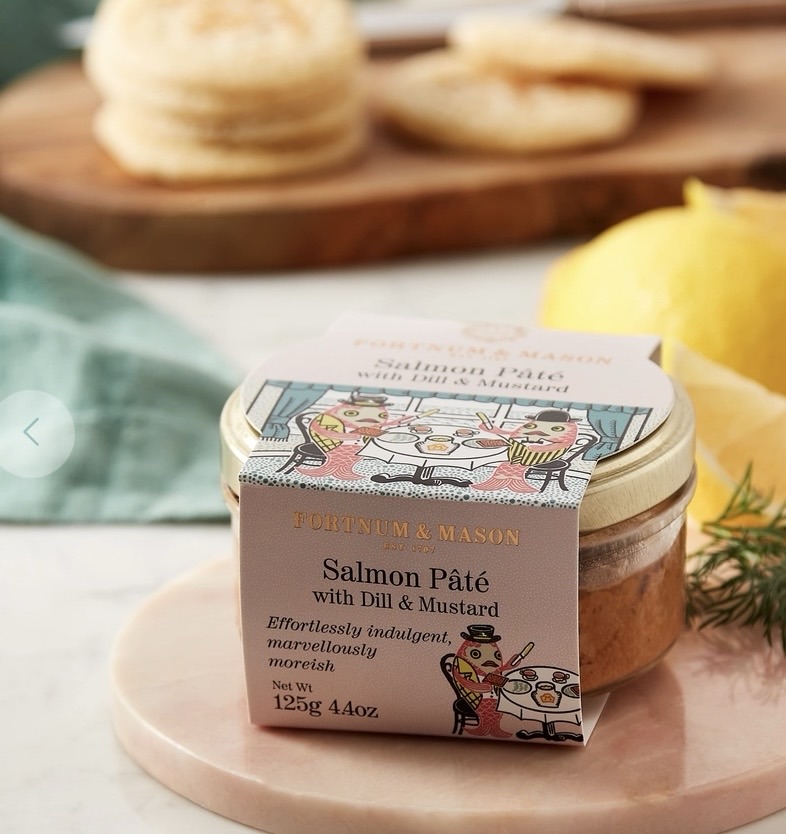
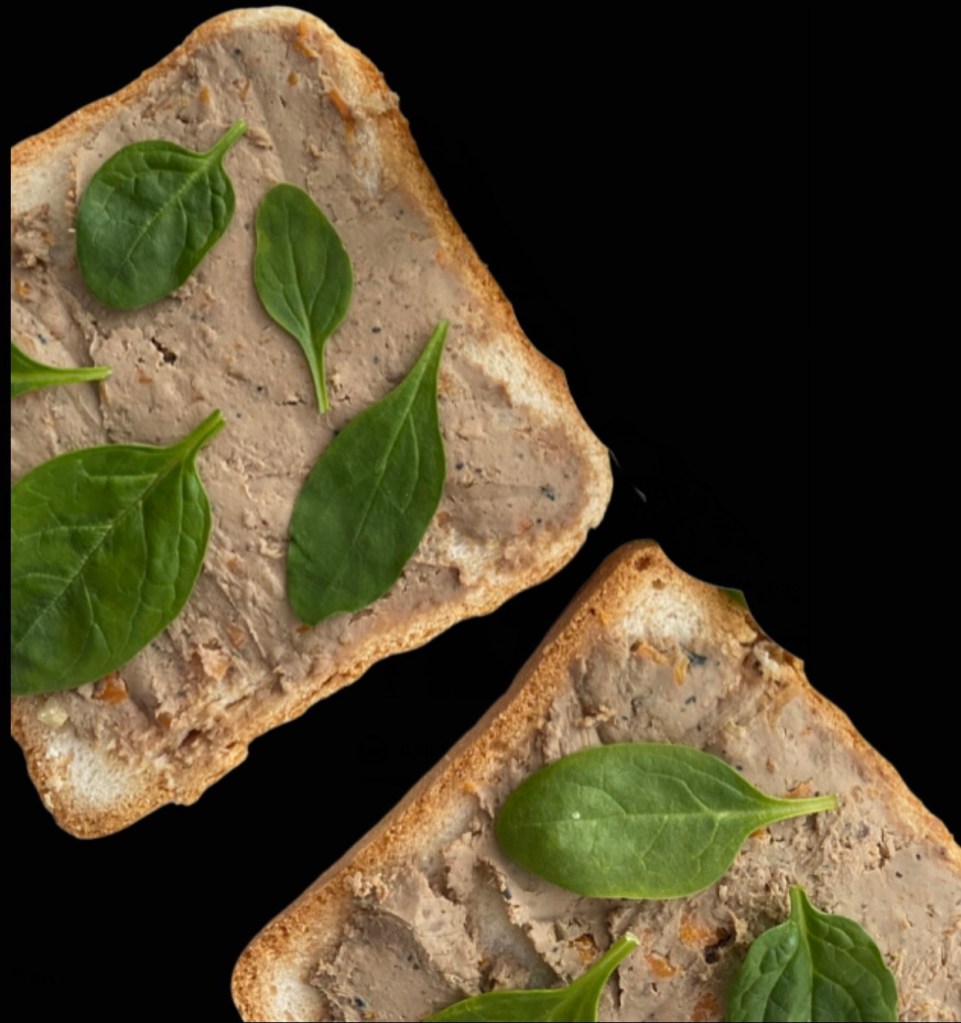
So how was this delicacy eaten ? Very simply it was spread very thinly on slices of hot buttered toast and maybe with thin slices of cucumber or with mustard and cress . Laterly some alternatives were created such as “Poachers” relish which is made with smoked salmon and “Anglers” which is made with smoked mackerel. It is easy to see why this oddball foodstuff has died a death, because it is so easy to wander into a supermarket, not even a specialty store and find pâtés of varying kinds. Though one oddity I did find recently was Gentlemen’s flavour bag of crisps!
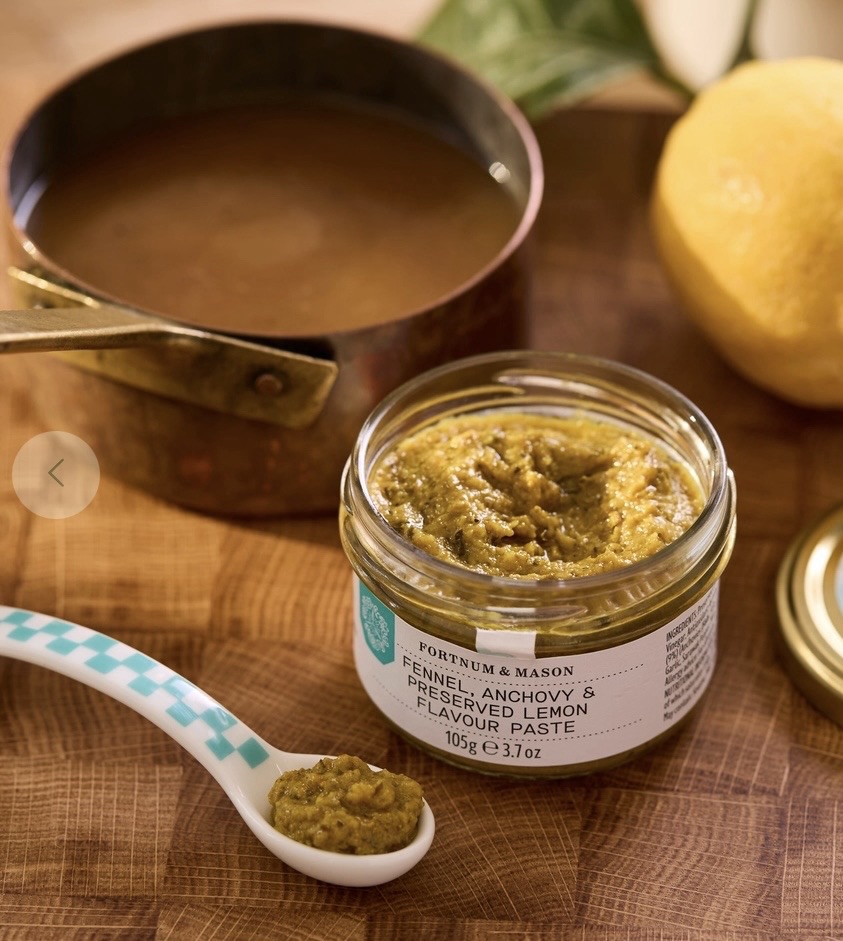
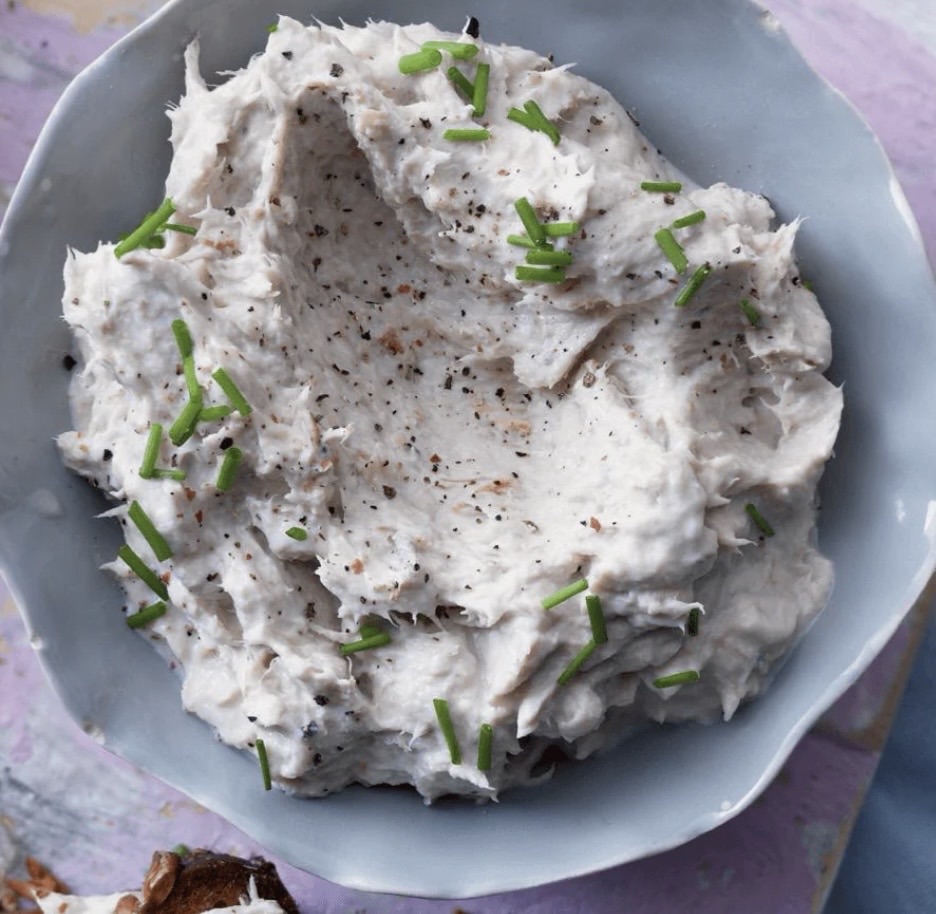

So now if you feel inspired to try and make your own, now obsolete Gentlemen’s relish, this is how you do it !
- 2-3 cloves garlic crushed
- 30 salted anchovies
- Pinch chilli powder
- Pinch dried thyme
- 150 grams unsalted butter, melted
Blitz the garlic along with anchovies , add the thyme and chilli powder, pour in the melted butter and Eh Voila! And as the kids would say Easy Peasy! This will keep for a while after you have potted it in a suitable container and refrigerated. Use on toast or on crackers as a nibble.
Something that has not gone out of fashion is Wild Garlic and indeed it is Wild Garlic season! Some might ask, what is wild garlic? No it is not a white/ pink small bulb, but lush green leaves, it is also called Ransons, cow leeks, onion grass, bear garlic and broad leaved garlic ( amongst other names). It is part of the amaryllis family and grows wild mostly in woodland. Apparently bears like to eat it along with cows, ( hence the names) but also when cows eat it, their milk can taste of garlic. It grows wild mostly in woodland , with bright green leaves and white flowers, however it can be confused with Lily of the Valley, which although beautiful is poisonous. So if you do go foraging for wild garlic, be sure to break a leave and rub it in your palms, it will smell of garlic.
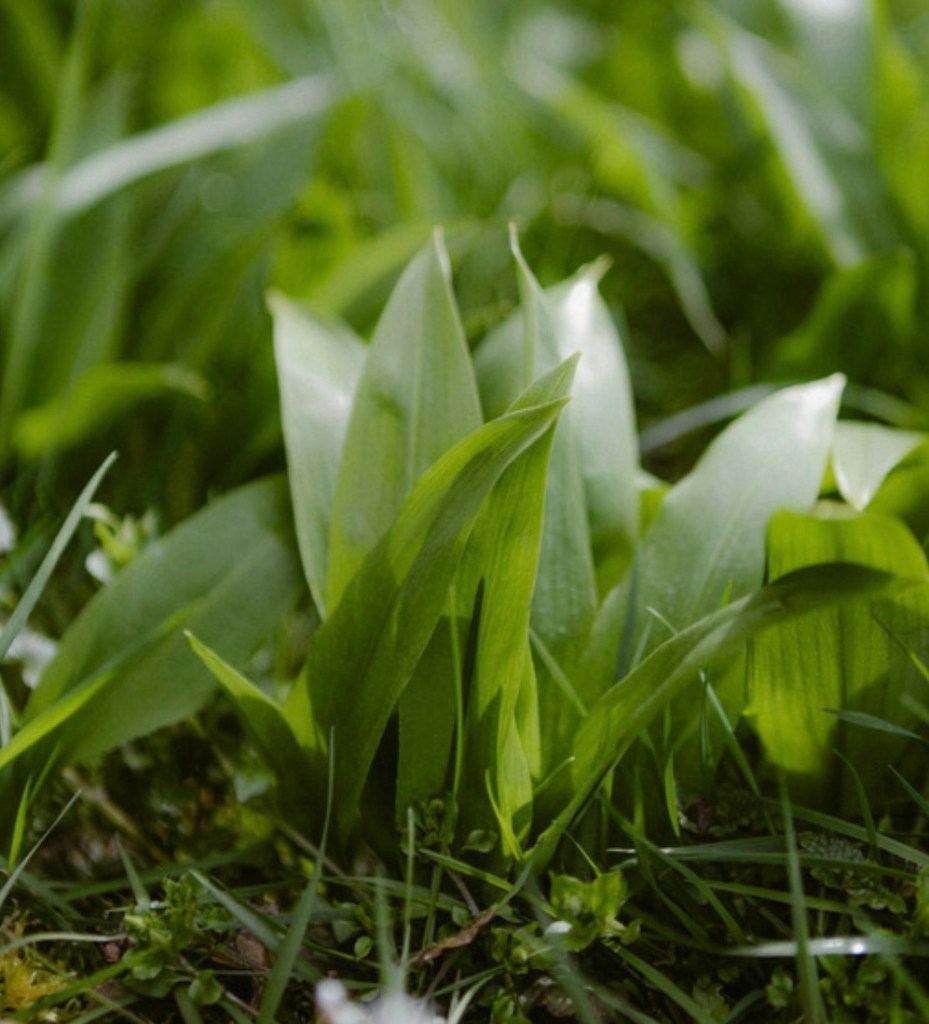
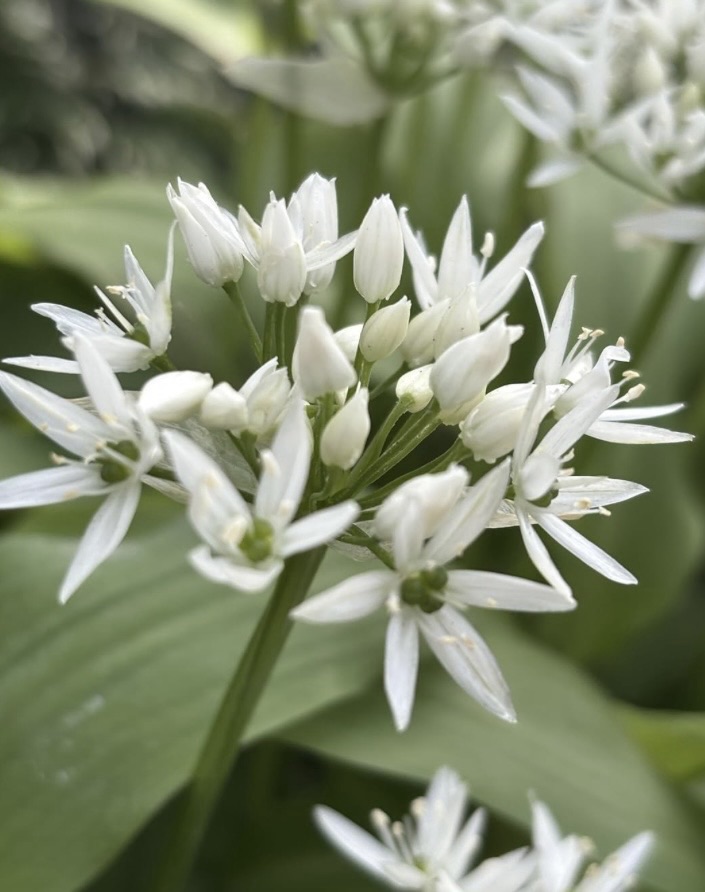
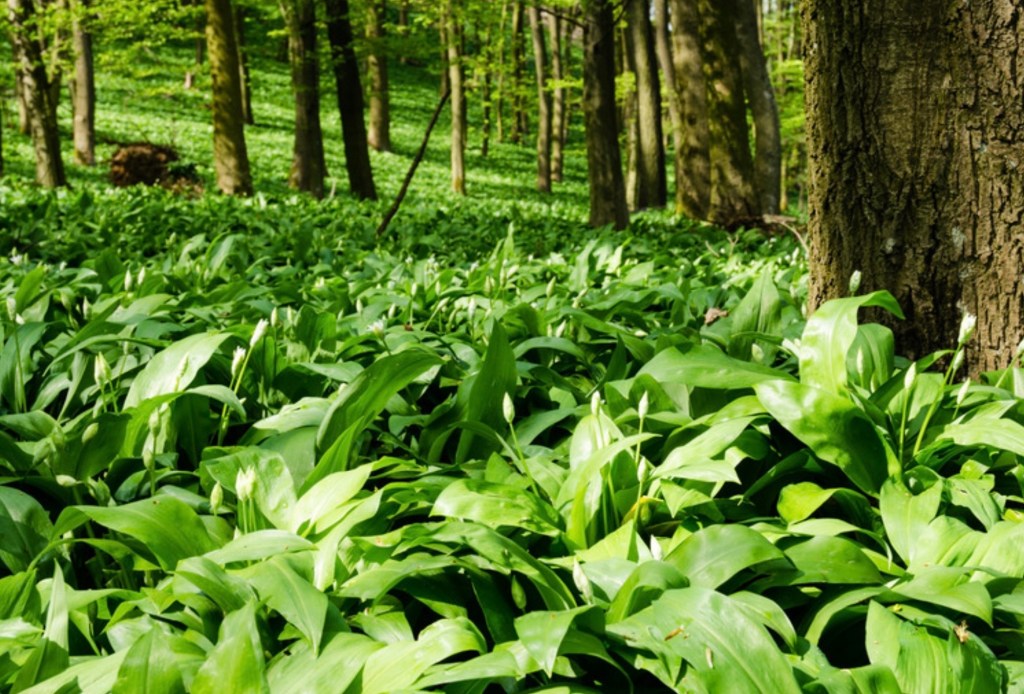
It has been used in English cuisine for centuries and the ancient Romans and Celts believed greatly in its healing powers!
So what to do with your hoard of wild garlic? It can be used in salads, soups, vegetables, as a substitute for pesto, pasta,scones and wild garlic butter and can be frozen for future use. Cornish Yarg cheese which is a lovely cheese, from yes Cornwall, can have an outer rind coated in Wild garlic leaves !
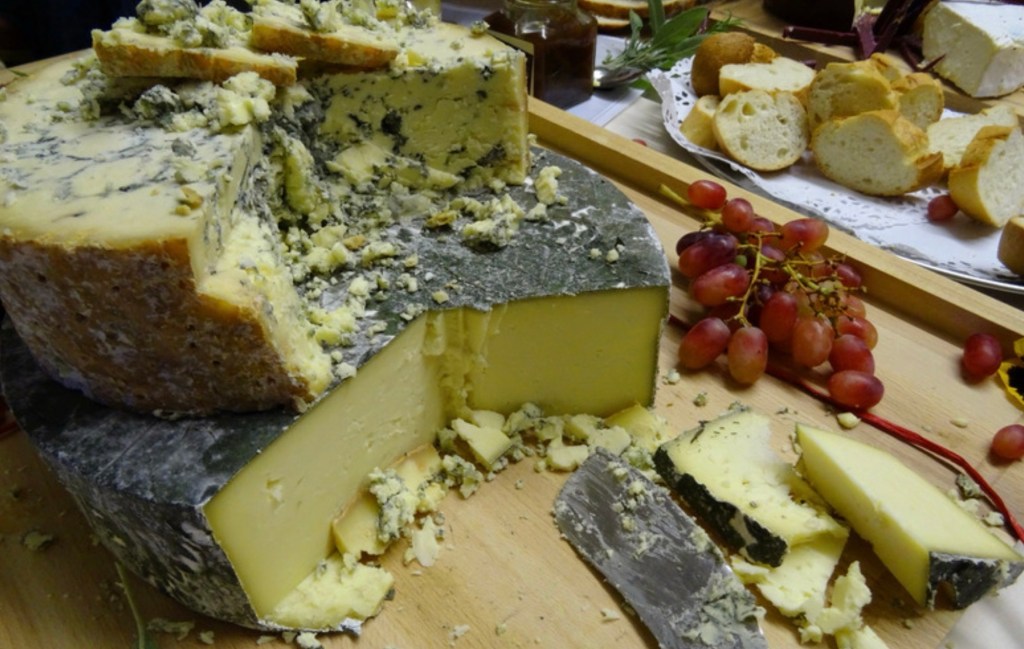
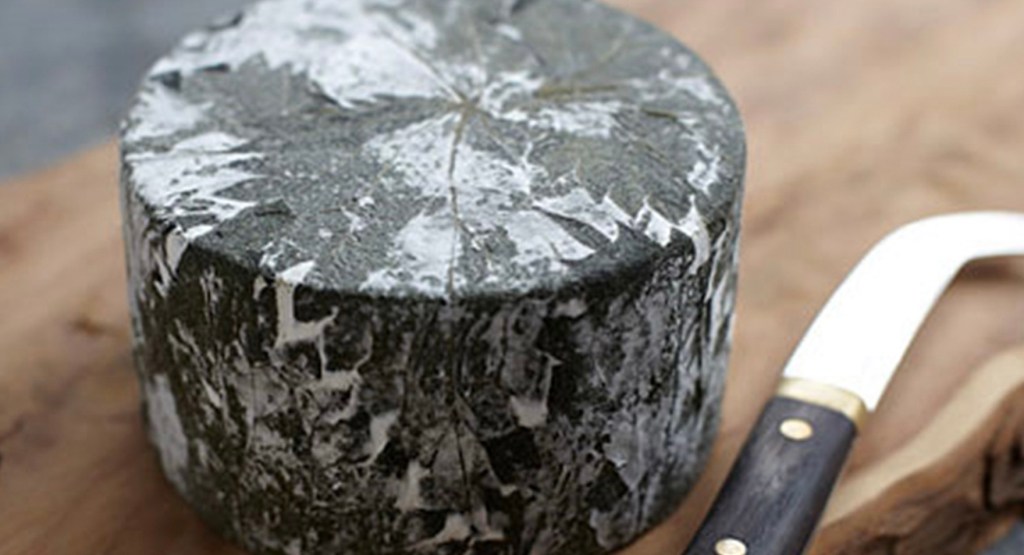
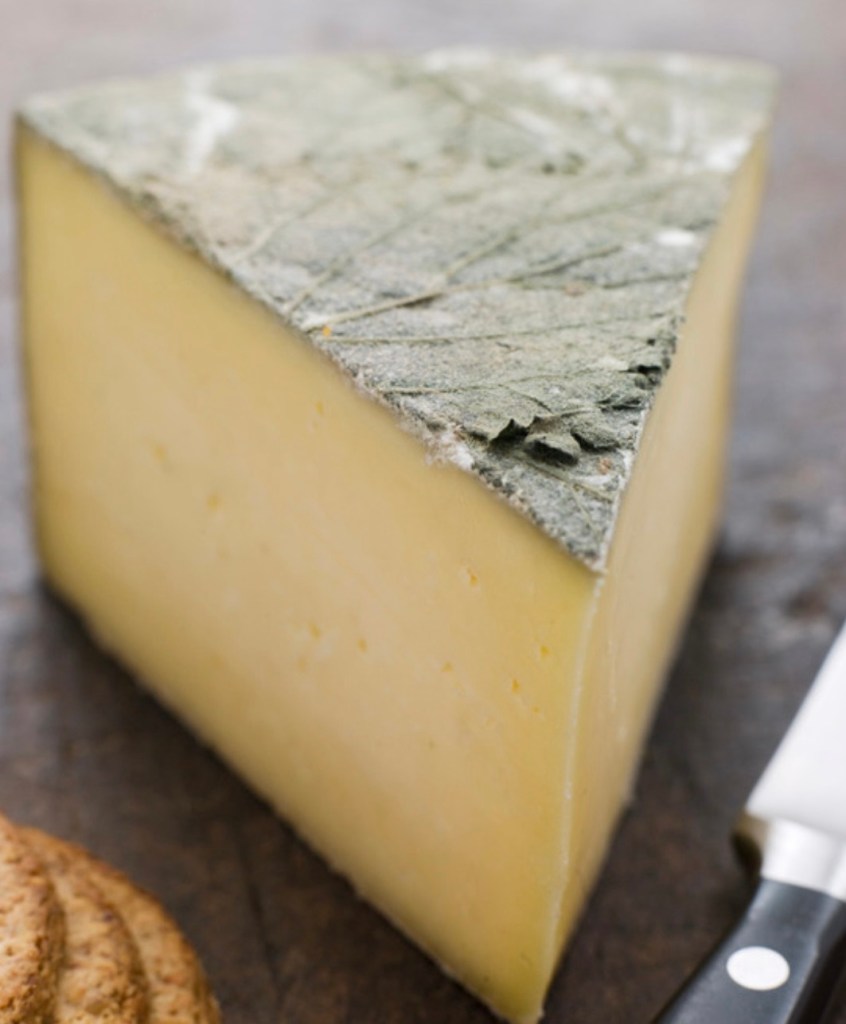
Its uses? Not mentioned on many books, both old and new, but obviously been around since forever, but this is where your imagination comes to the fore! The leaves can be eaten raw or lightly cooked. But wash them well – after all they are to be found where people and their dogs might have been wandering. The leaves can be blanched in boiling water before use but it can be stirred into risotto, omelets, fish dishes, put into a sauce to go with meat or fish, can also be added to soups.
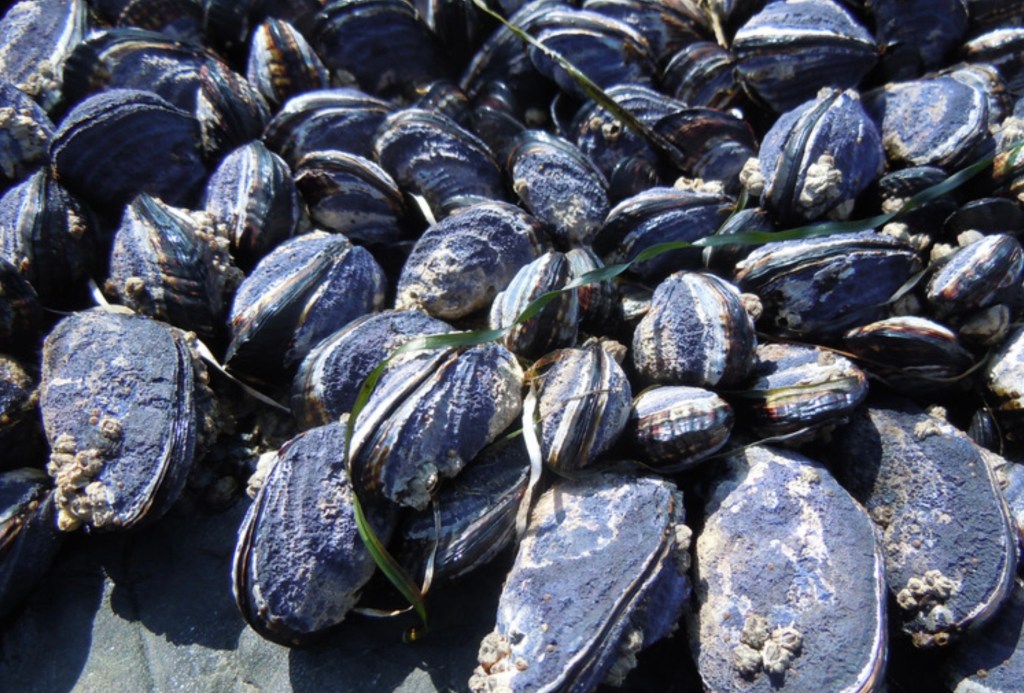
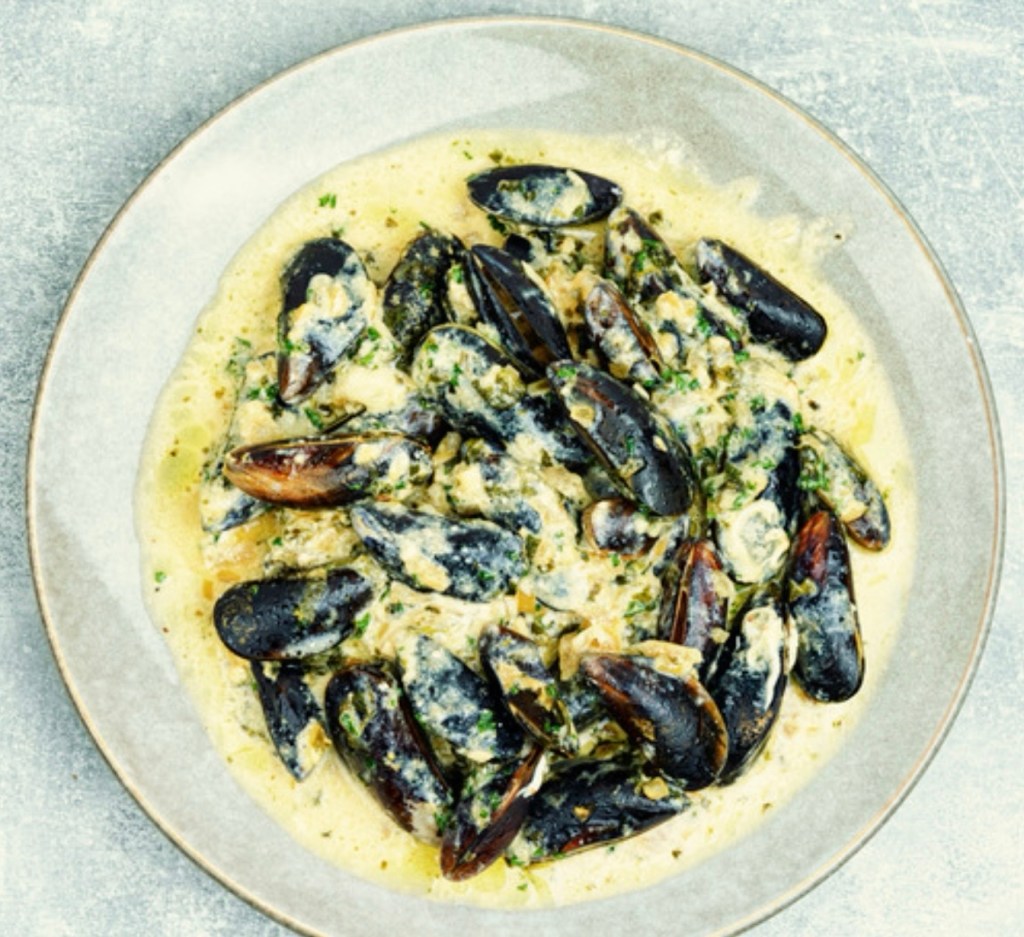
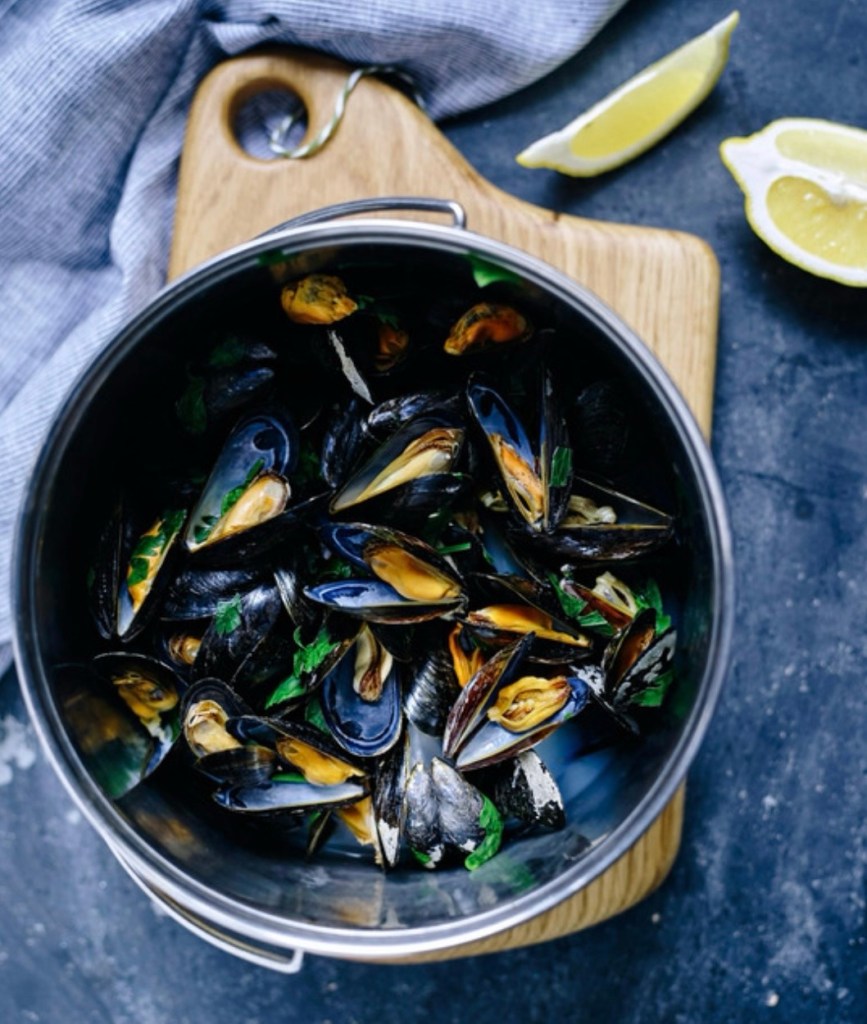
Here I made mussels in a wild garlic and cream sauce. We actually prefer our mussels to be in a spicy sauce, but this is a good way to use wild garlic.
For 4 people
2 kilos of fresh mussels
2 onions finely chopped
1/2 bottle white wine
25 grms butter
125 mls single cream
Large handful wild garlic finely chopped
Wash the mussels, and discard any which are open ( and won’t close when tapped) or have broken shells.
Pull off their beards and discard.
Sauté the onion until soft but not brown in the butter. Add the mussels and the wine and bring to the boil , cook for about 5 minutes until all of the mussels are open , tip in the wild garlic and about 125 mls single cream. Stir through and serve with crusty bread.
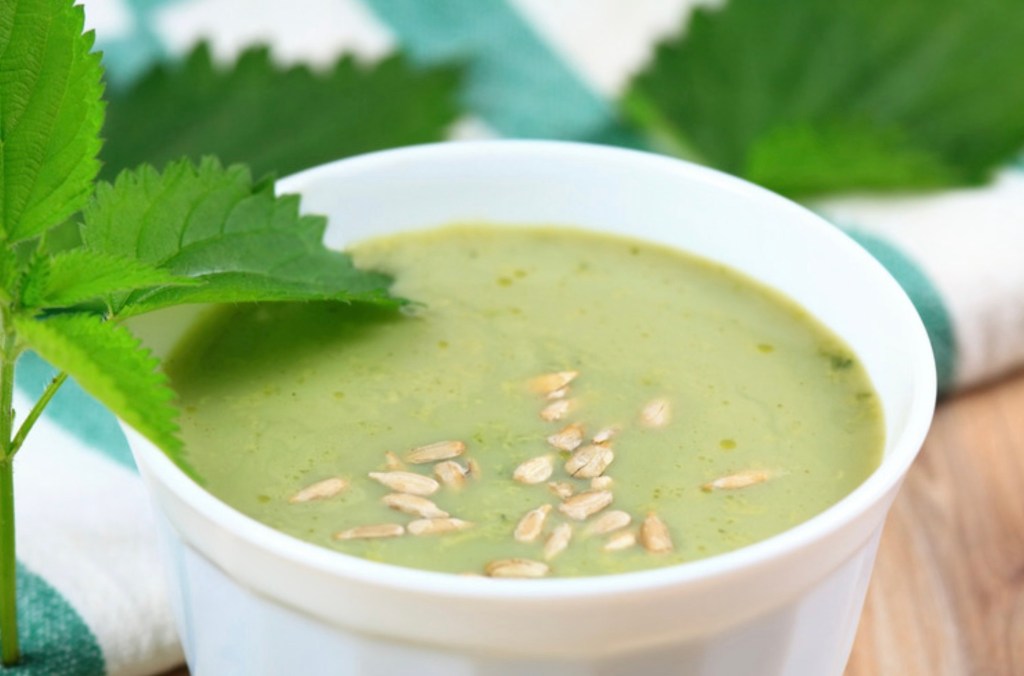
And whilst you are in the wood foraging for the wild garlic, why not collect some stinging nettle leaves ( make sure you wear rubber gloves). Weird it should just be know by the word stinging it has unique medicinal properties nd has been used medicinally for centuries.They contain beta carotene, vitamin c, calcium, iron,and potassium. They are a natural diuretic, can help with asthma as well as eczema, along with helping with rheumatism and arthritis. Today the they are most often used for soup, but only pick the young leaves.
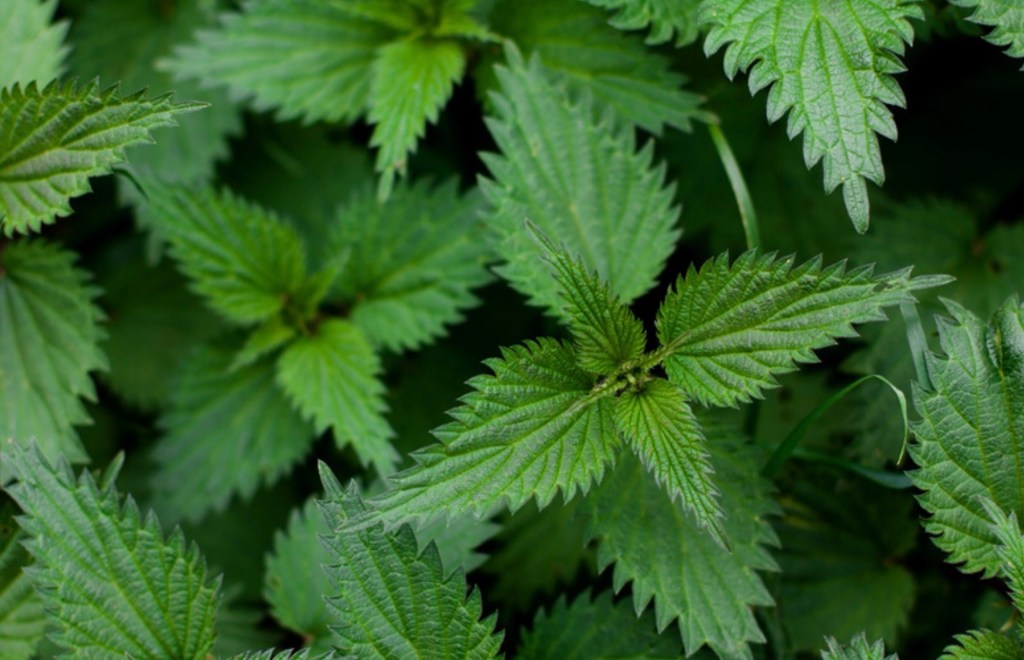
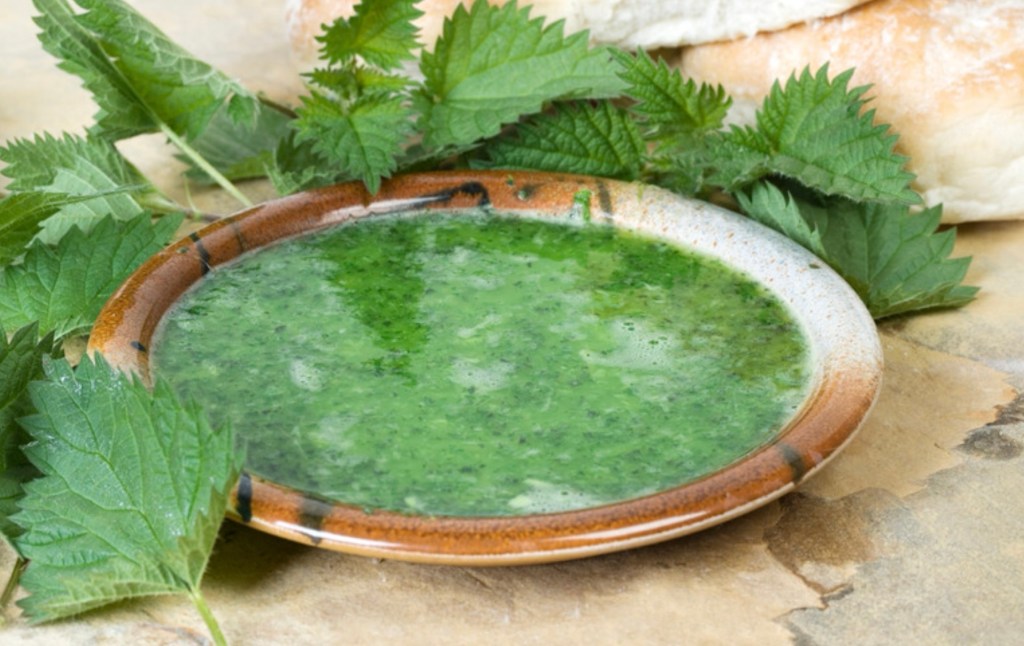
A large handful,of nettle leaves ( young tops are best)
A large potato peeled and cut into chunks
2 cloves garlic crushed
Large onion finely chopped
750 mls vegetable stock
125 mls double cream ( optional)
125 grms butter
Salt and pepper to taste
Wash the nettles, sauté the onions and garlic until soft but not coloured. Add the potatoes and the nettles, stir and then pour in the stock and simmer until the potatoes are soft. Then either in. Food processor or with a hand blender, purée the soup, it should be thick and chunky. Return to the pan and add the cream if using. Taste for seasoning and adjust. Serve along with some crusty bread.

 oystersandchampagne