Dishwasher Cooking

Dishwasher Cooking

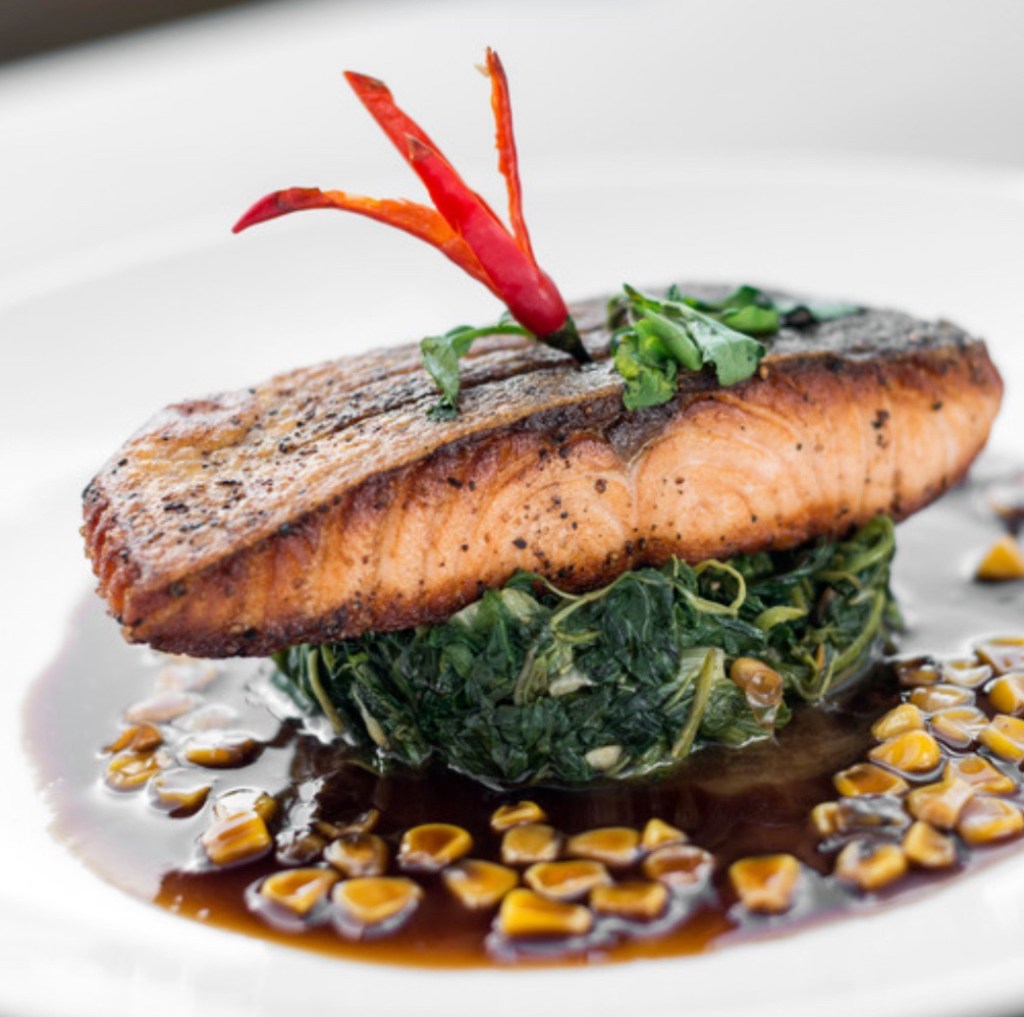
Have you ever wanted to cook a whole side of Salmon, or even a whole salmon, perhaps a coulibiac ( sans Pastry) and haven’t been able to? No fish kettle? No pan big enough. The end is nigh! Use your DISHWASHER,!

I can hear the GASPS across the ether, but yes it is true!

When I want to cook a whole salmon fillet, into the dishwasher it goes! ( More Gasps)
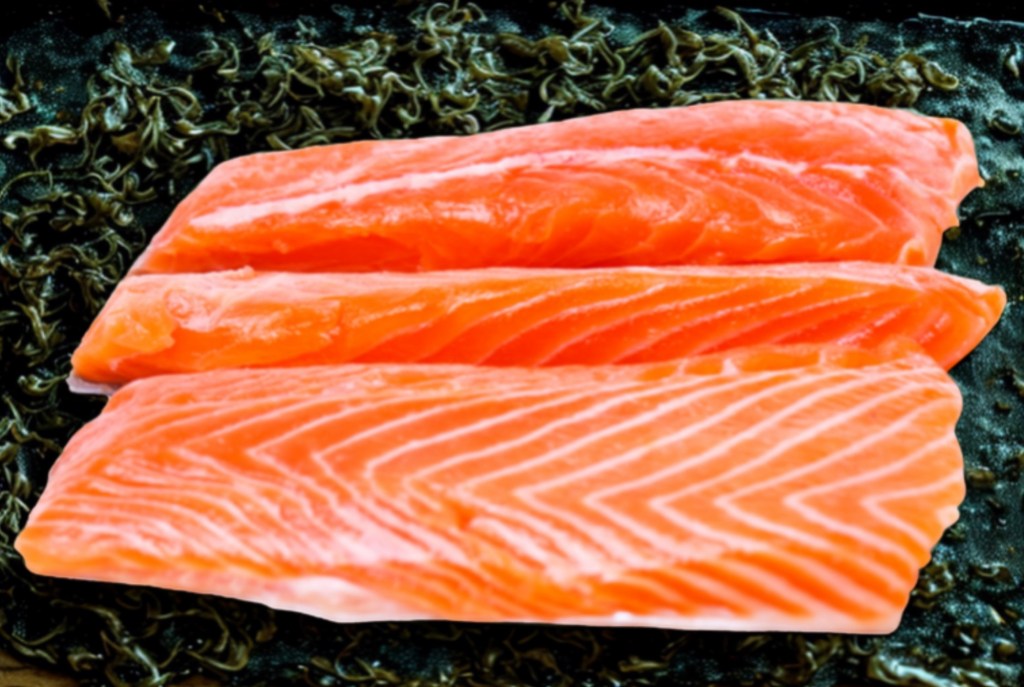
You might be wondering how on earth a dishwasher can be used to cook fish. Well, the answer lies in the consistent and regulated temperature that dishwashers offer during their cycles.

Most dishwashers operate at temperatures around 120-150F or 49-66 C while these temperatures are typically used for cleaning, they can also be utilized for cooking or rather steaming.
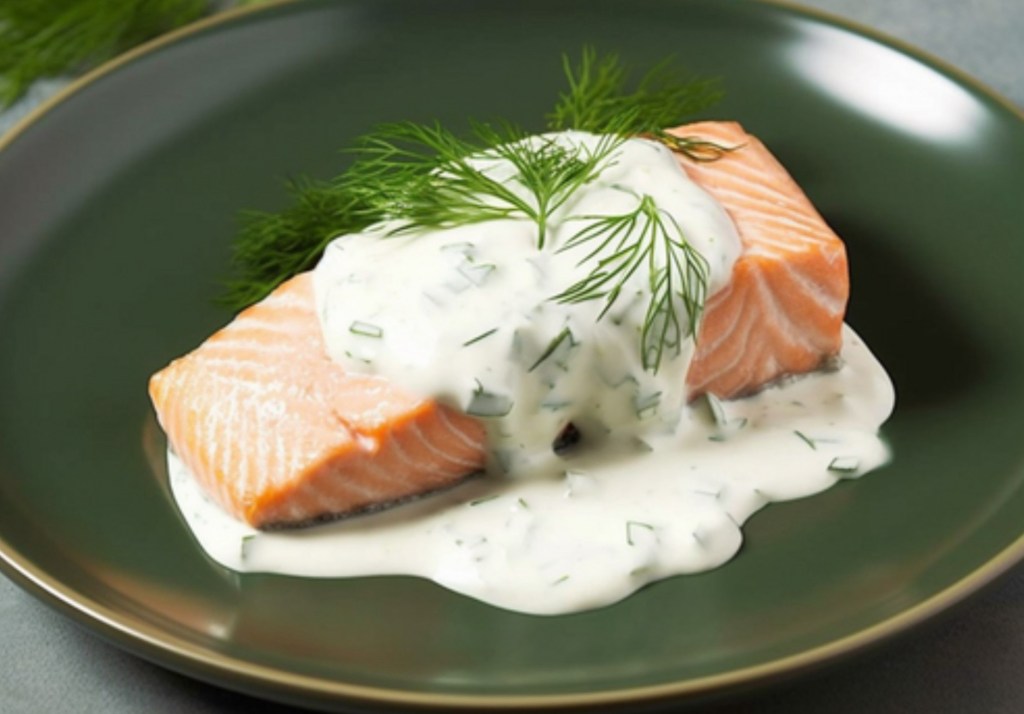
Cooking fish in a dishwasher may be an unconventional method, but when done correctly, it can yield surprisingly delicious results. The steady temperature and steam inside a dishwasher makes it an ideal environment for gentle cooking. Just remember to choose the right fish, season it well. If you have a vacuum sealer then PERFECT, add any marinades etc and seal, or alternatively use several small portions individually packed for perhaps a dinner party, cooked ( dishwashered ) for a shorter time. Otherwise wrap your fish in several layers of aluminium foil making sure it is well sealed. Select the correct dishwasher cycle. I use my 40 C wash which takes just over an hour. Do not use any detergent and place the fish in the top shelf then sit back and enjoy the unique and energy-efficient experience of cooking fish in a dishwasher!

Then you can serve at once with maybe a Beurre Blanc or serve it cold, nicely decorated as part of maybe a buffet supper.

Other useful tips, which might or might not be conventional are:-

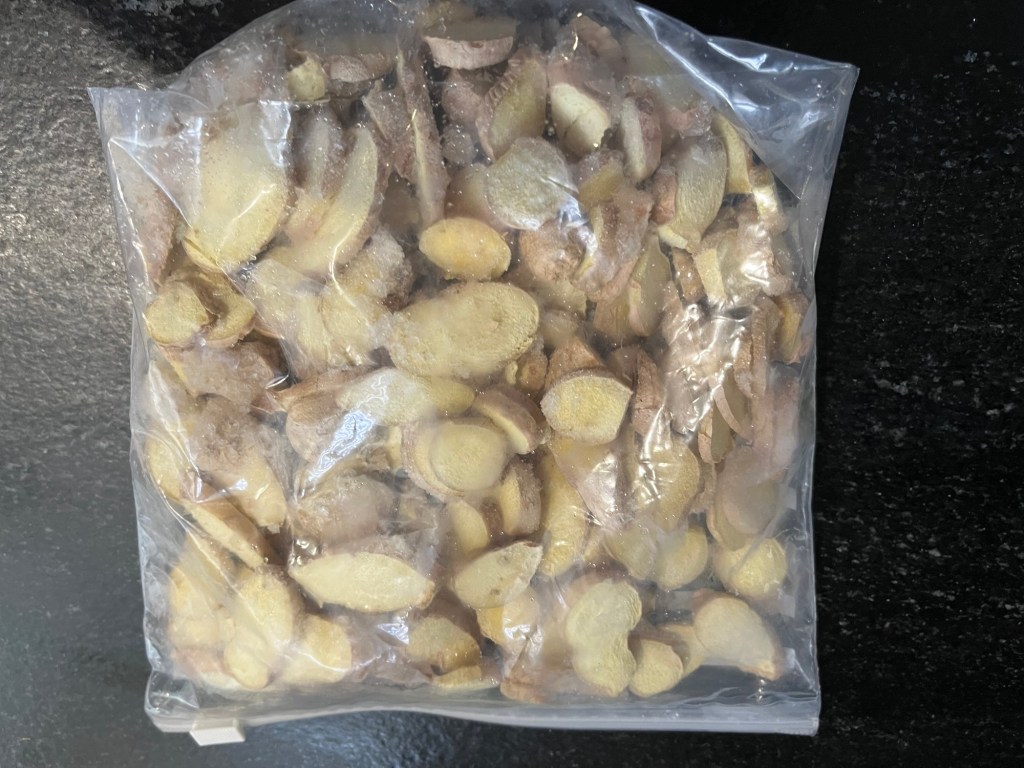
GINGER, don’t let your ginger become shriveled, don’t throw it away, slice and freeze it!

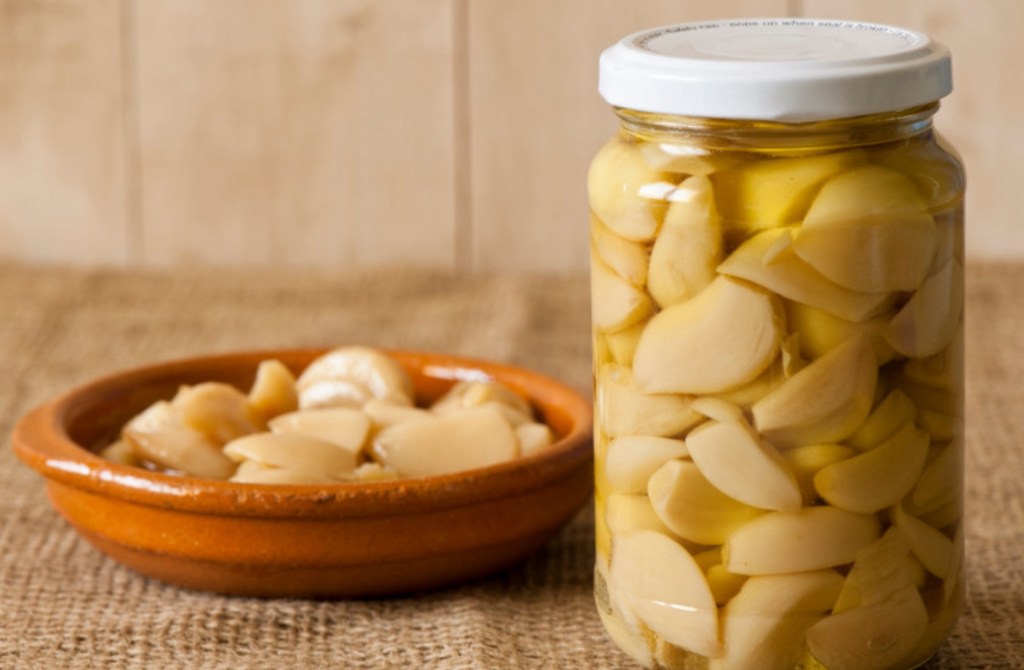
GARLIC, again, if you have for whatever reason a glut of garlic, turn it into confit garlic, ready to use at anytime.

AVOCADOS, I usually buy mine from Spain via Crowd Farming. Avocados only ripen after they are picked, so when they arrive, I put a couple out to ripen and the rest put into the refrigerator until needed! However, they do freeze well. Simply peal, slice or smushed along with some lemon juice, bag and freeze until needed.

POMEGRANATES, they are currently in season and are available as they are or sold as Rubies, ie just the bits. However once again, they are not difficult to get the pips out of the shell of a pomegranate, flat freeze and you are ready to go, especially for decoration. And an added piece of information, in France a popular cordial, which even to this day I import regularly for my adult children is Grenadine!

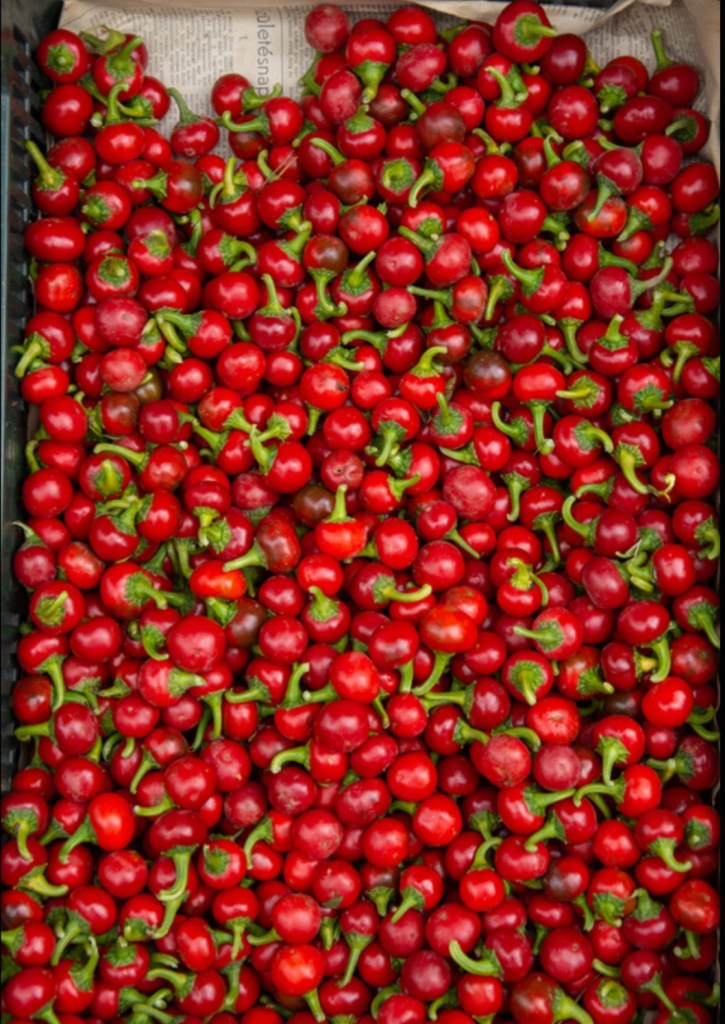
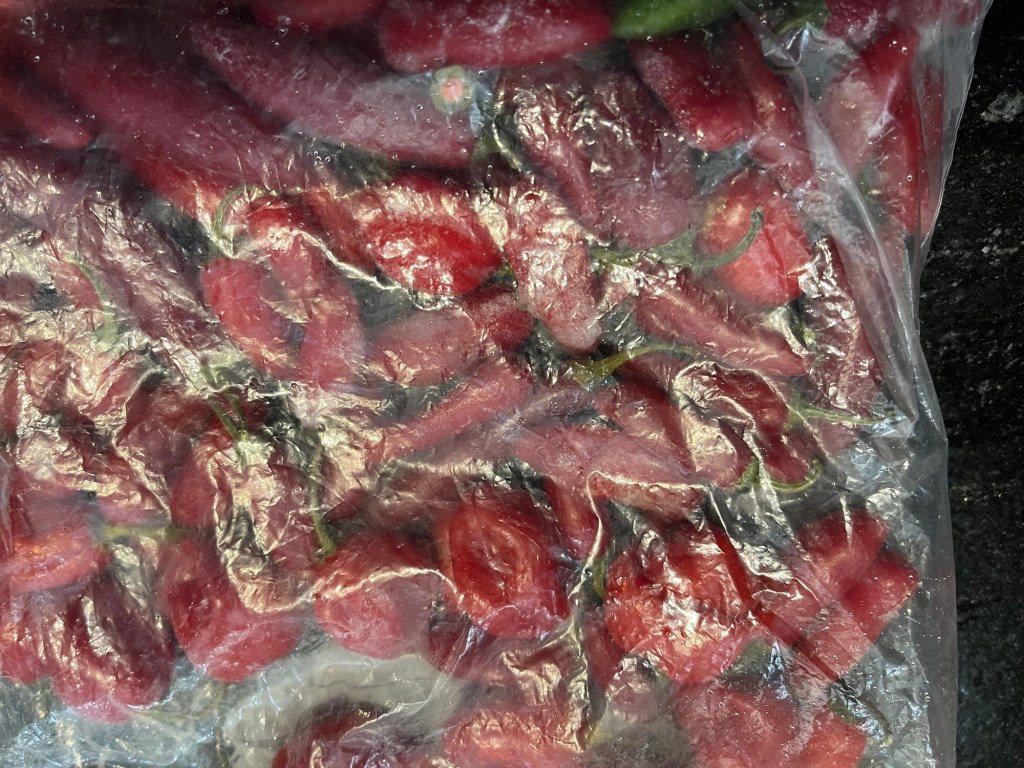
And finally Chillies, somehow I was at a local ethnic street market and the chillies were too good to pass up, so once again, they were flat frozen and bagged, ready to use when needed!

USE BY? BEST BEFORE? KEEP COOL? FREEZE? DO NOT FREEZE!

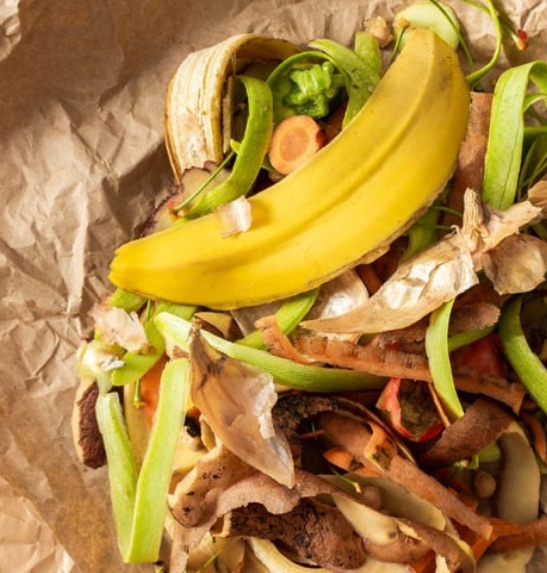
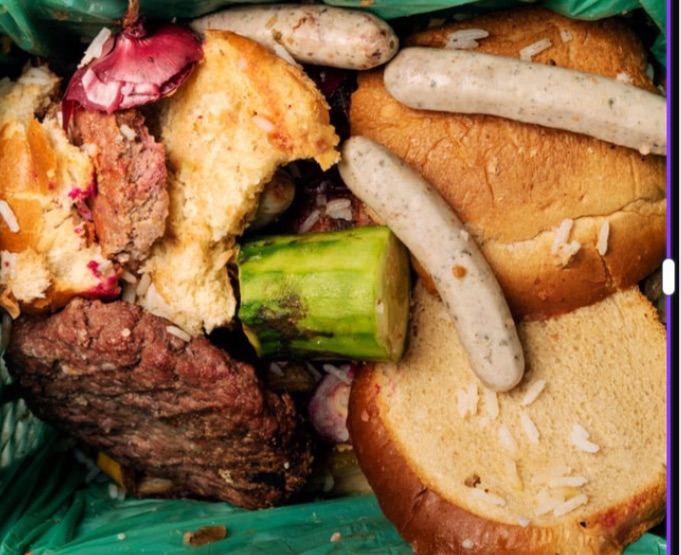
The UN has become concerned about food wastage, but this is not something new as September 29 is IDAFLW ( International Day of Awareness of Food Loss and Wastage) a bit of a mouthful but !

735 MILLION people go hungry everyday, with over 1Billion edible meals being just thrown away.

In the UK, we throw away 9.5million Tonnes of food each year, enough to feed 30 million people and yet there are over 8 million who live in food poverty. The numbers are staggering.

I do not throw food away, maybe I am of a different generation, my parents grew their own, potatoes were kept in a cool dark place, apples were wrapped in newspaper and also put in a dark cool place, beans/peas/carrots were bottled ( no freezer, nor refrigerator), and yet we always ate well, so why is it today with ready meals, fresh foods, frozen foods has it become such a wasteland of food?

Part of the reason, is food labelling, even the willowy brunette throws a fit if she even sees an egg that is one day older than the date on it, and yet that was not how she was raised. In the US, there are over 50 food labels, which adds to the confusion and yet for the most part it is not science based. There is an old adage which says give it a sniff test !

Interestingly, in the US eggs need to be refrigerated, whereas in Europe they do not! Why? All commercial eggs in Europe are from hens that have been vaccinated against Salmonella, the eggs are not washed and therefore retain their protective outer sheath ( you can’t see it), whereas in the US , hens are not vaccinated , the eggs washed and so removing the outer protective layer, which means that they need to be refrigerated! The stamp on EU eggs, state, Country/ farmer/ type of farm and date. Battery farming of chickens and eggs is banned. There is a simple test for eggs at least. Simply fill a bowl with water place the egg in; if it sinks, it’s fresh, if it stands upright, it’s still safe but not fresh, And if it floats, it’s no longer good to eat. Now that is easy !

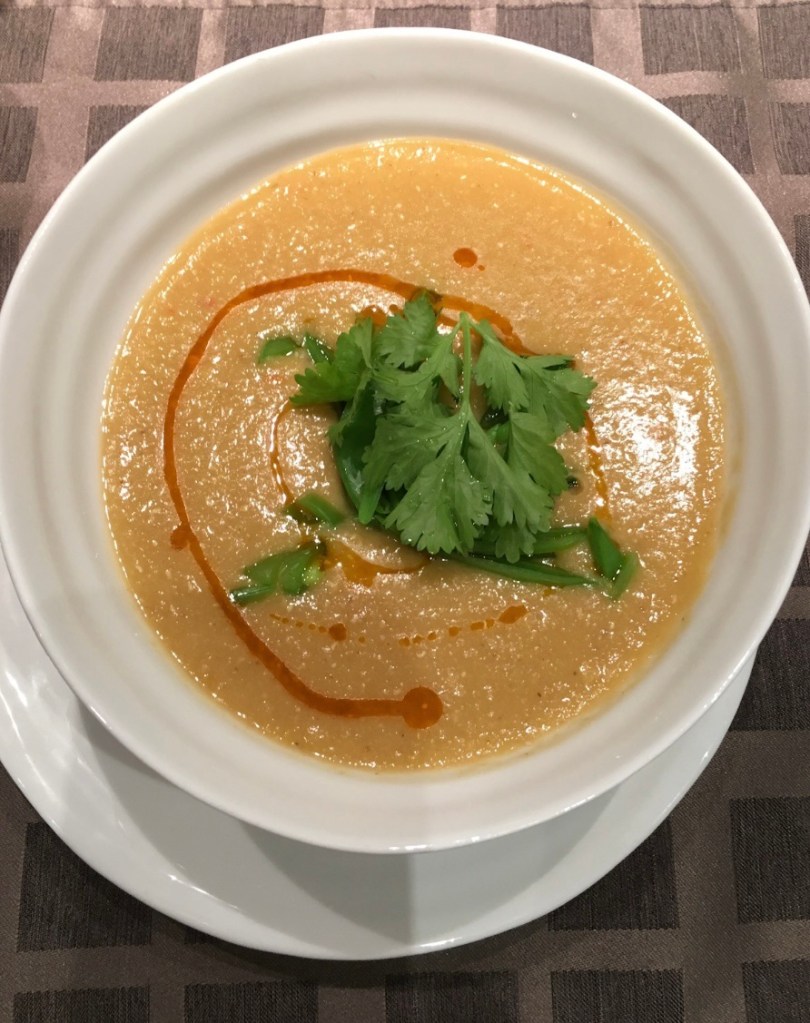
As I just said, I do not throw food away food away, even a lettuce that is looking a bit tired, gets a second life, by being put in the freezer, ready to be put into some form of soup! Himself often has soup for lunch, especially in the winter, and if I can’t think of a particular type of soup to make, it becomes REFRIGERATOR SOUP, ie, anything that needs using goes into the soup. On that theme, one of my freezers was badly in need of of a defrost! And what did I find, frozen lettuce/ coriander and spinach. Soup called! So using the frozen ingredients, I added frozen peas and frozen green beans! Another refrigerator soup was made!

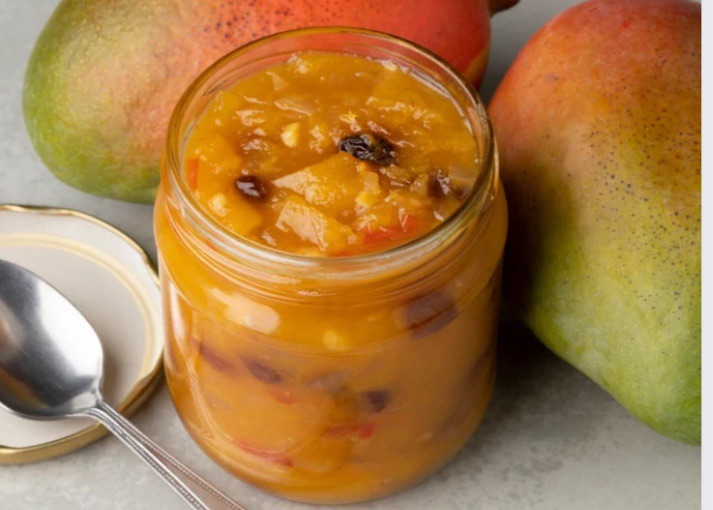
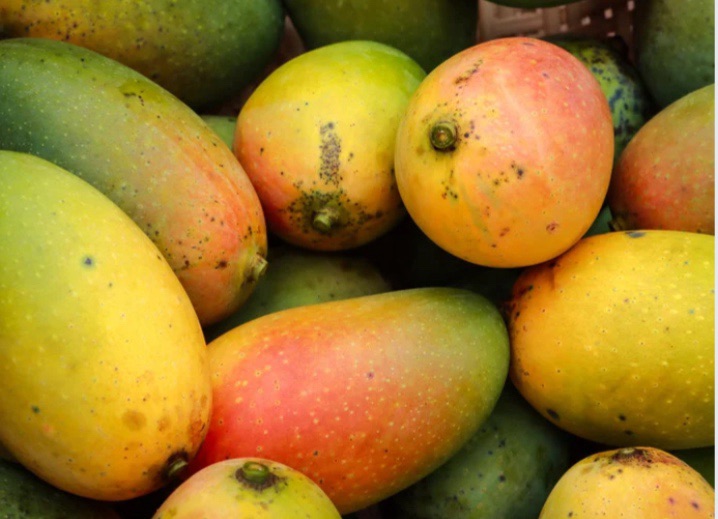
And then I made some mango chutney. Why ? I had a delivery of mangoes from Spain ( Crowdfarming) and had left them on the counter top to ripen, therefore time to make some chutney.

  • 3 firm mangoes, peeled and cut into chunks
  • 150 mls vinegar ( preferably cider)
  • 130 grms dark brown sugar
  • Small chunk fresh ginger grated
  • A crushed clove of garlic
  • 1/2tsp coriander powder
  • Pinch of salt
  • 1 small chopped chilli

Put the mango and vinegar into a pan and cook gently for about 10 minutes. Add everything else, bring to the boil, stir to mix, reduce heat and cook gently for about 30 minutes. By this time it should be a thickish gluey mixture. Leave to cool a bit before pouting into clean sterilised jars.

Not long life, but too yummy to leave lying around! As this makes a small amount, I refrigerate one jar and freeze it the other !

Going on from chutney making, I decided to cook salmon for dinner, but inspired by my semi Indian chutney I need to make the salmon a bit Indian as well! With thanks to Gurdeep Loyal, I adapted his sauce. His recipe for Kopi( coffee) seared salmon. I didn’t have an ingredient called Kecap Manis, but discovered alternatives, using in my case several pantry staples.

  • 2 tablespoon sriracha
  • 2 tablespoons of this mixture, maple syrup, brown sugar,dark soy sauce.
  • 2 tsp instant espresso powder
  • A knob of ginger grated of a 1 tsp ginger powder
  • 2-3 cloves garlic pressed
  • 2 tablespoon honey
  • Zest and juice of lemon.
  • A dash sesame oil
  • Pinch of salt
  • Some toasted sesame seeds

Simply mix all of the above, and leave to blend together.

Using a non stick pan, heat just a little oil and put your salmon fillets skin side down. Cook for about 5 minutes until the skin is crisp , flip over cook for 30 seconds or so and then turn back.

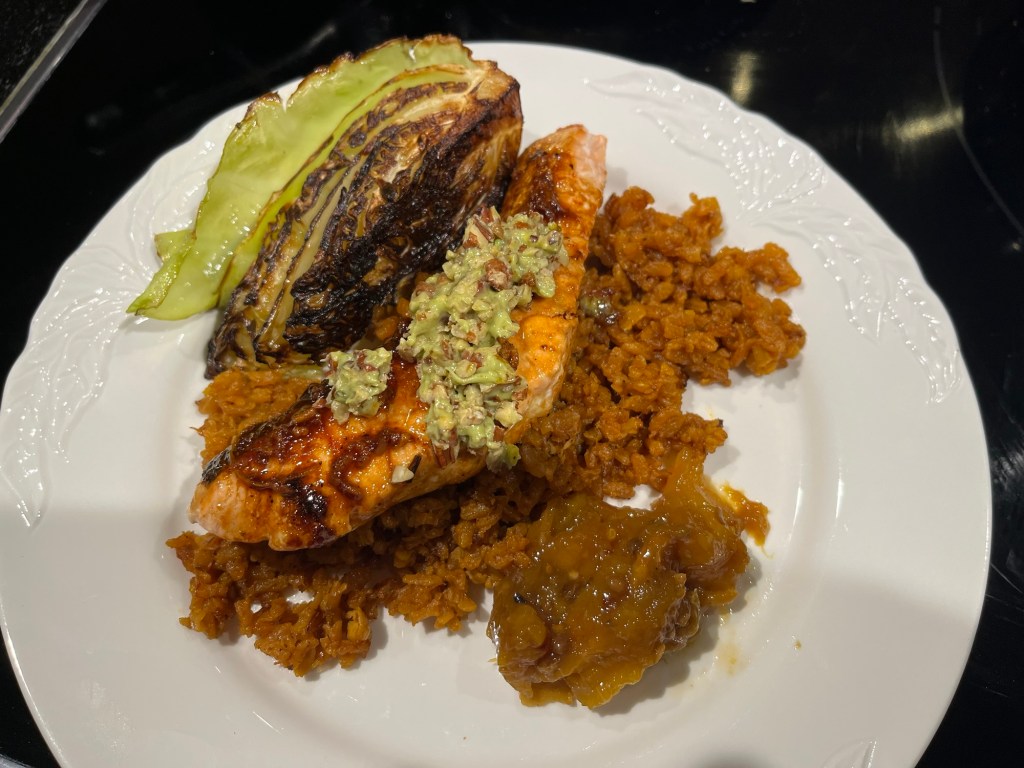
Pour the sauce over the salmon, cook for another minute or so, don’t have the temperature too hot though. Serve on a bed of rice, or as I did on a bed of fishy risotto! ( fresh from the freezer! Or with broccoli or spinach or hispi cabbage ! ( I am in love with hispi cabbage!) And don’t forget to garnish!

I do have lots more to say, but enough is enough, so Bonne Appetite! Et à la prochaine!