When is a Boat a Ship ( or the other way around)?

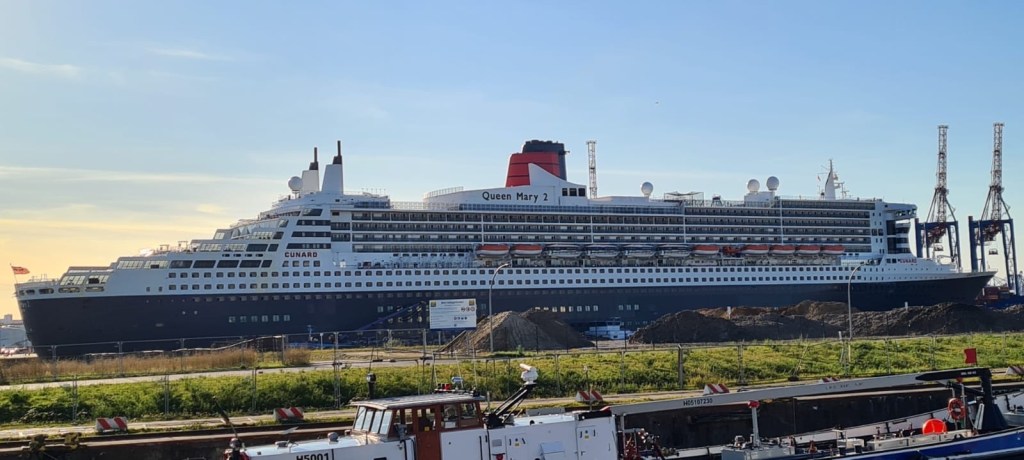
The above is the largest ship in Cunard’s fleet of Ocean going liners, and is the Flagship, so I guess it is a Ship and not a boat! And is apparently the only active ocean liner still in service. To be sure it is not the largest cruise ship, but it has to be stressed that it is not a cruise ship, but a deluxe ship that does cruises! The ship will hold up to 2,600 passengers plus 1,290 crew.

We were fortunate to be in one of the better cabins ( it was huge plus a large balcony). Our little trip was all part of the ongoing celebrations of HIS birthday and it is not done yet! This was just a short trip of 4 nights aboard this iconic ship.

The Queens grill which was our dedicated restaurant can seat up to 130 passengers and is available for breakfast, lunch and dinner along with Afternoon Tea in the adjacent Grills lounge.

We ate well with a slightly changing daily menu, the food was excellent albeit not exciting. And having been on other trans Atlantic boats, I was very much underwhelmed by their bakery.

That being said, the ship is beautiful, with everything you need from shows ( we didn’t see) to a large casino , perfect for those on their mobility scooters ( not us, and we didn’t play) to a large Bridge/ Card room , to designer shops ( didn’t buy) and then the library, large and beautiful. The walk from our cabin ( sorry State room) took 5 minutes ! YES FIVE Minutes! As the ship is just short of 1,000 feet in length ! Oh and I forgot, there is a golf net which I tried out.

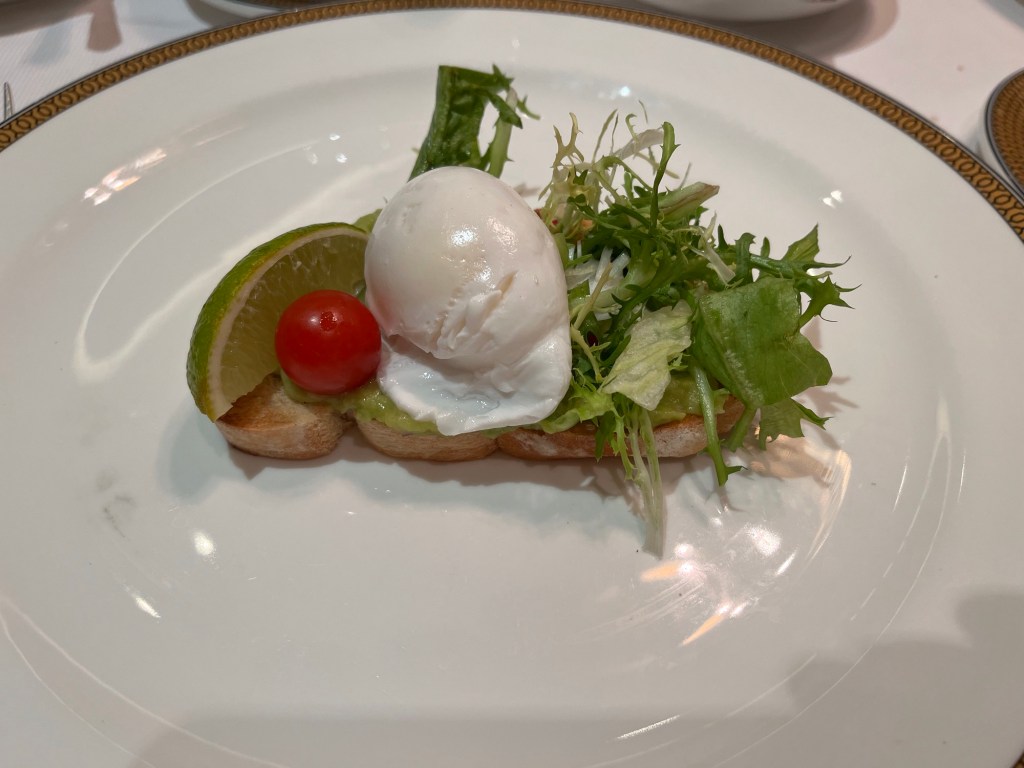
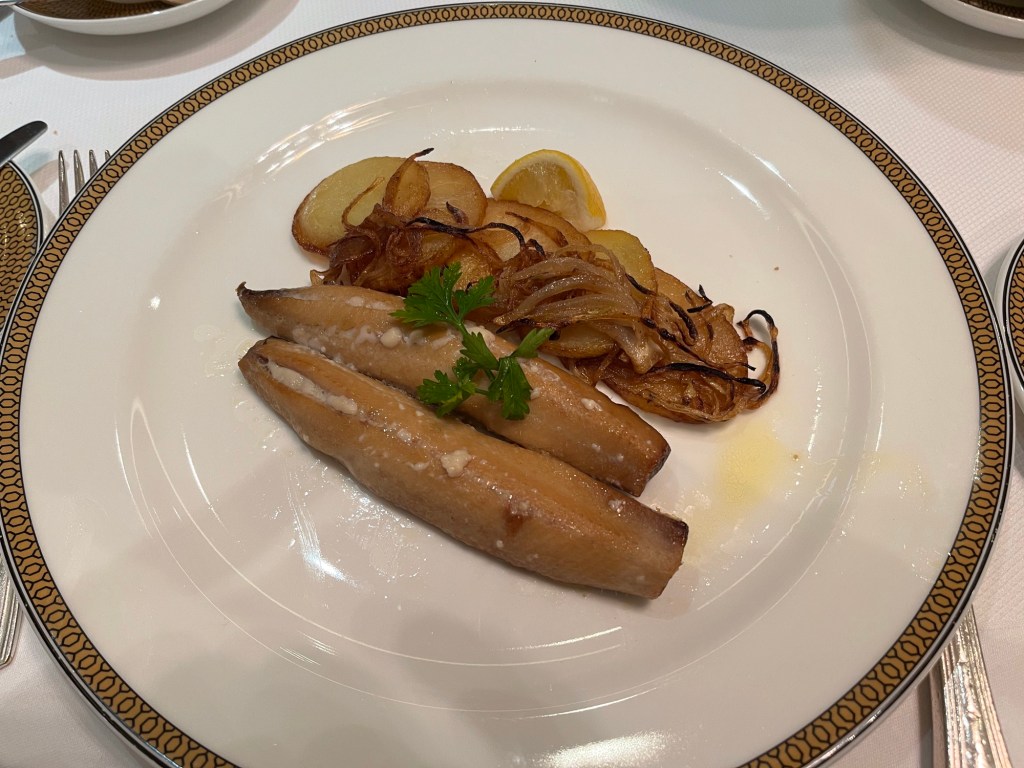
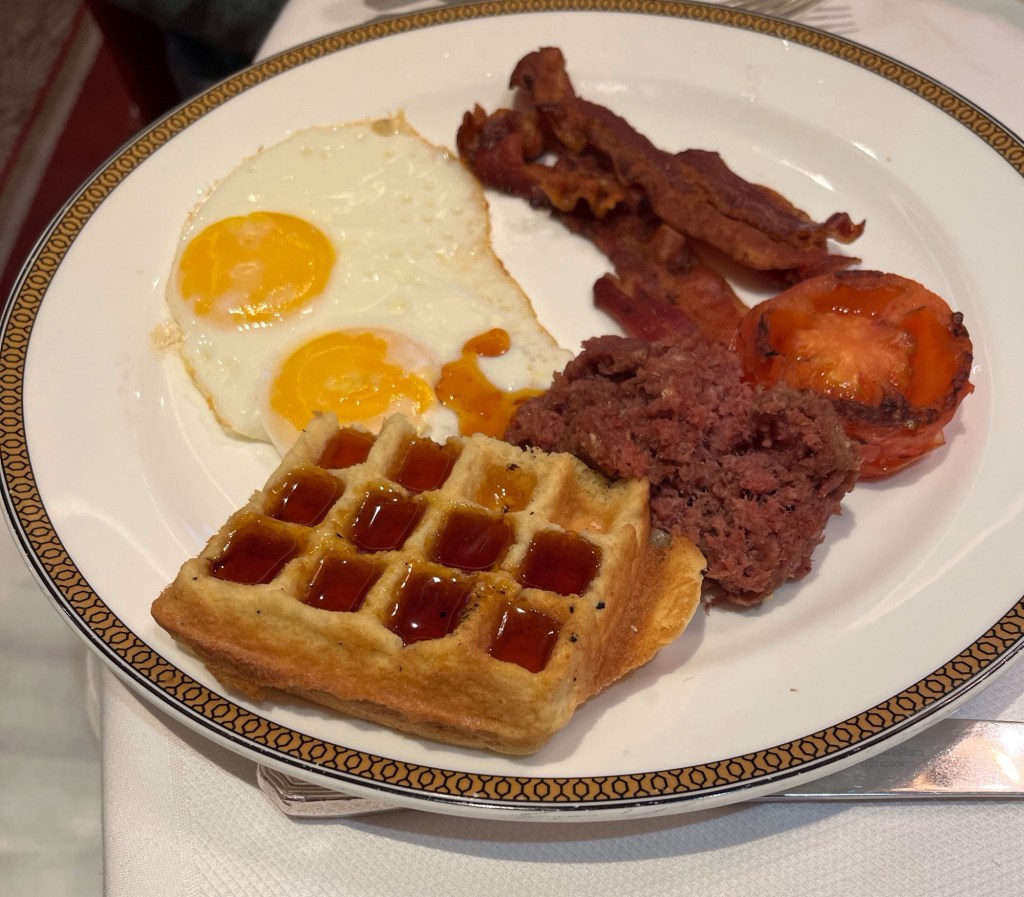
Onto food, breakfast was nice ( such a terrible word) absolutely nothing wrong with breakfast ( well the toast was rubbish, as was the coffee, catering for the USA market, methinks!) choice was fine, service was good, though looking at the photos, I think my poached egg was the best option!
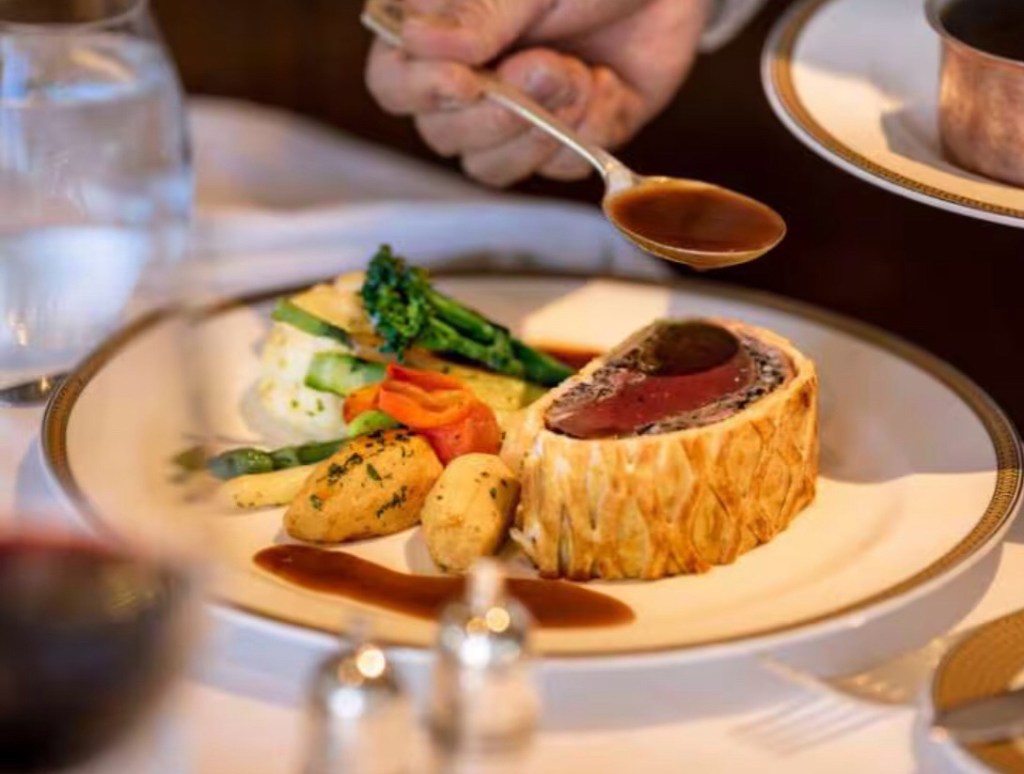
Moving on, we ate one night Chateaubriand, which was excellent and the next Beef Wellington ( meat overload here?) and again excellent, but cooked in the traditional way, with a mushroom duxelles and the whole wrapped in a Crêpe to stop the puff pastry going soggy.

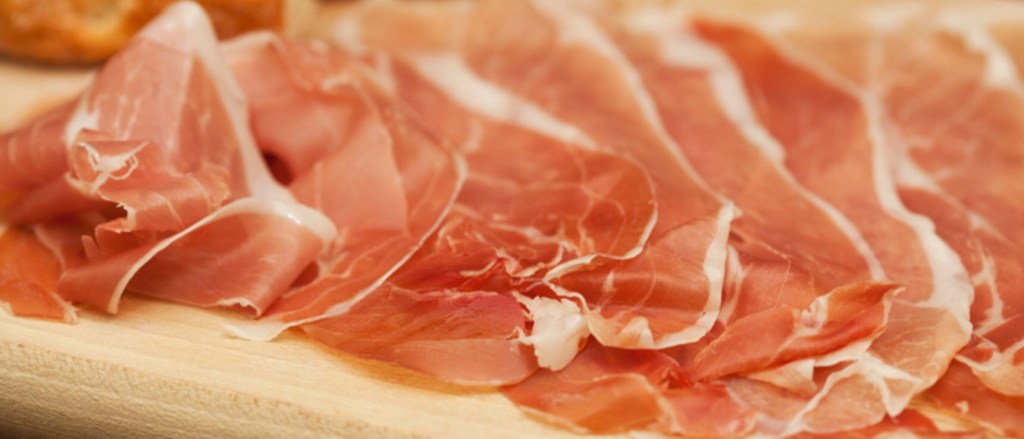
However, for Beef Wellington there is a new way and that is to wrap the meat and mushrooms in Pancetta or Serrano ham! What could be better and easier ( no need to make pancakes for starters!)

To serve about 8 people

  • About 1.5 kilo beef fillet trimmed off
  • +/-200 grams Parma or Serrano ham
  • a knob or two of unsalted butter
  • +/- 250 grams mushrooms, assorted if possible
  • Small bunch parsley finely chopped
  • +/- 3 minced cloves of garlic ( to taste)
  • 3 finely chopped shallots
  • +/-125 grams goose liver pâté ( optional)
  • 1kilo puff pastry, ( room temperature) shop bought is fine and a beaten egg to glaze
  • Salt and pepper to season

Season the beef all over with the salt and pepper. Melt a knob of butter in a sturdy frying pan and sear the beef on all sides.
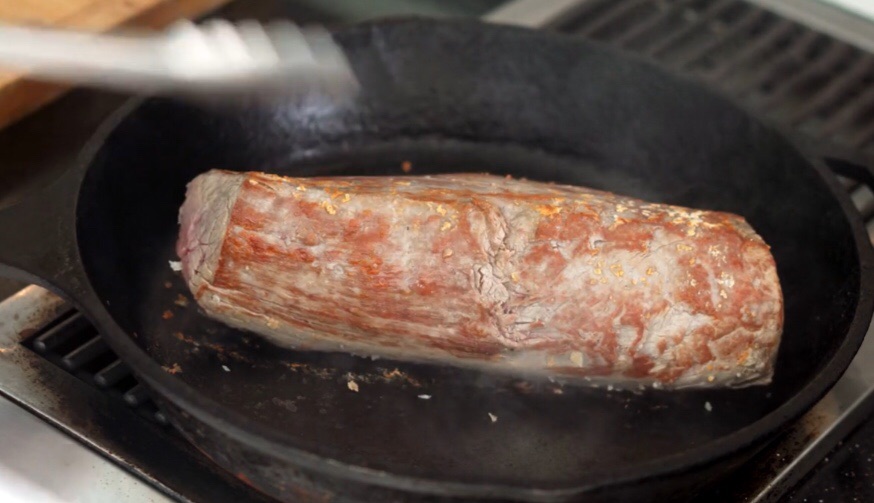
Remove the beef and put to one side.

Add more butter to the pan and sauté the shallots and then the mushrooms, then the parsley and garlic. Chop all finely and leave to cool.
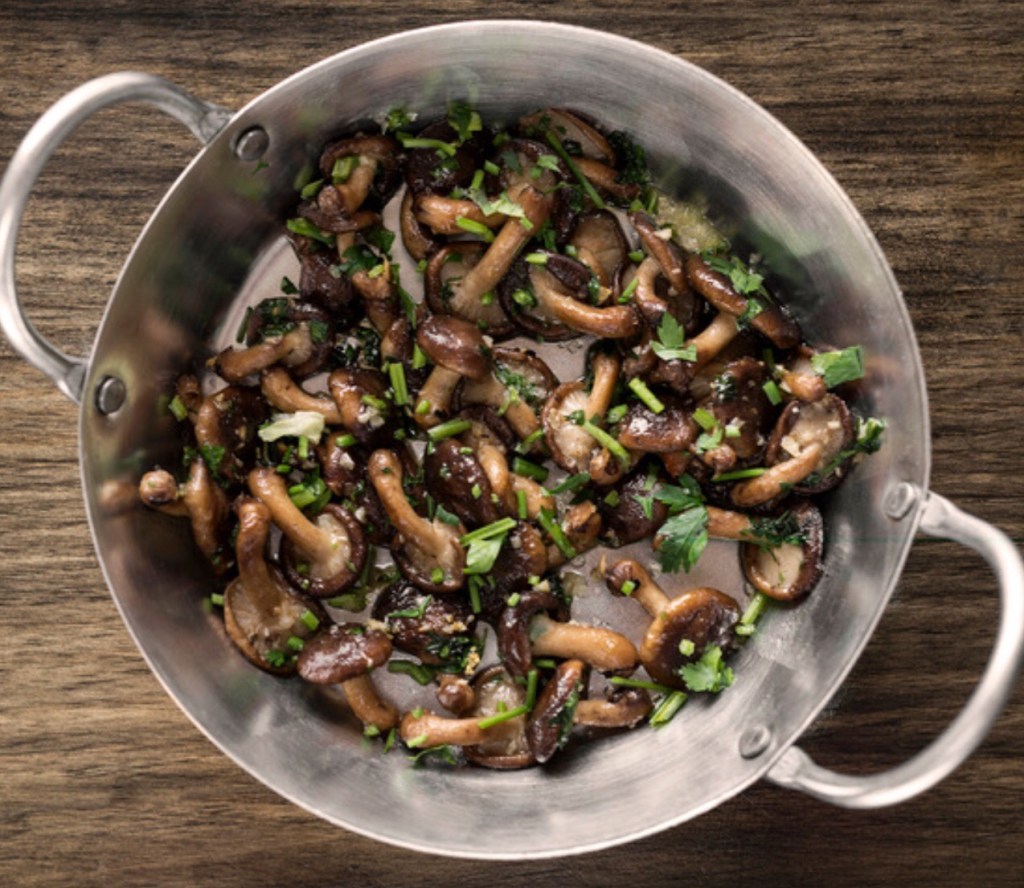
If using the pâté put onto a board or plate and mush it until soft and creamy .

Rollout the pastry on a floured surface to roughly the size of the beef ( needs to be wide enough to wrap the beef and long enough to tuck in the ends. Put the pastry onto a baking tray .Lay the ham slices on the pastry and spread the pâté on top of the ham, followed by the mushroom mixture. Brush the edges of the pastry with water, this acts as a sealing agent and wrap up the beef into a parcel. Trim excess pastry, make sure the ends are tucked under and sealed. use the excess pastry to decorate the top of the pastry case. Beat an egg and use it to brush all over the parcel, this is an egg glaze.

Heat your oven to 200C/180C fan or gas mark 6. When the oven has reached required temperature, place the baking sheet on the middle shelf and cook for about 35 minutes ( rare to medium) or up to an hour for medium to well. Remove from oven and leave to stand for 15 minutes before carving ( this is so that the juices are absorbed into the meat.

Serve with your favourite vegetables ( I would go for Pommes Aligot ( Posh Mashed)) and maybe a sauce, a gravy, or simply a jus!
Greece and Beyond

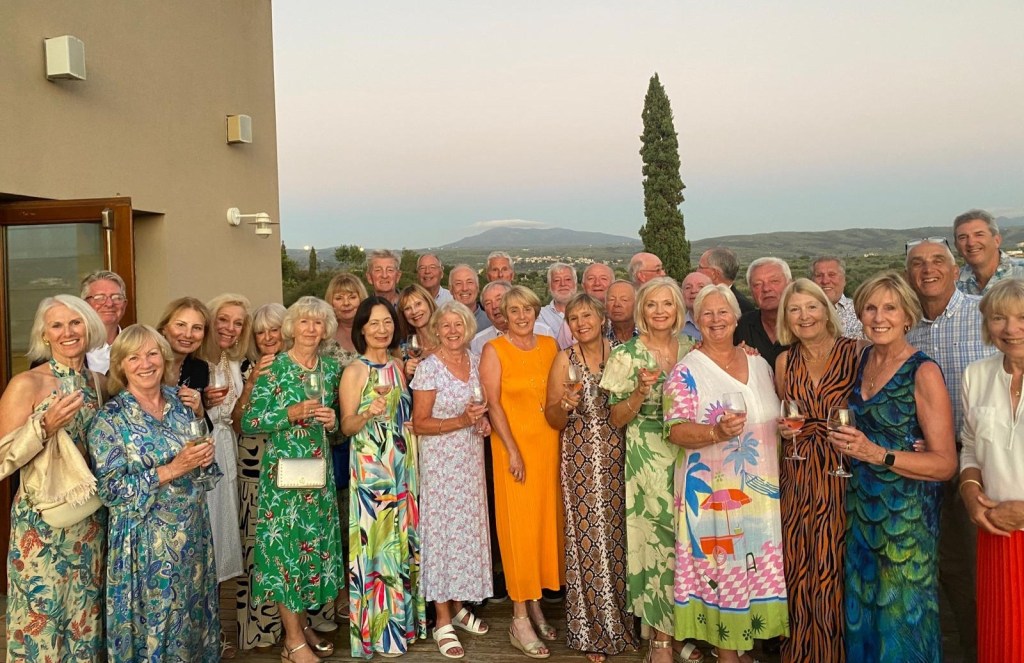
We have been in Greece for several days, supposedly for golf ( along with 34 of our Besties…… do you think that is too many?) However, having never been to ATHENS , before, we thought a little detour might work!

Of course we saw the sites, but more than that, took a bus around the city, a hop/on/ off variety which worked well.

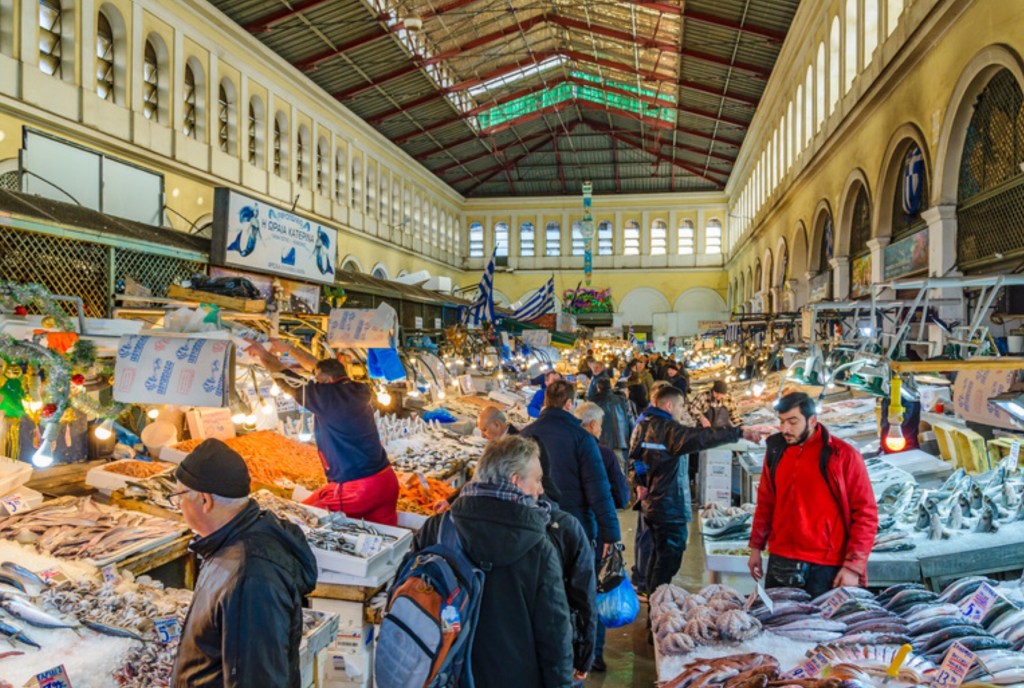
But let us start at the beginning. Our first stop was the Athens Central Market and surprisingly it is smack bang in the centre of town, just around the corner from our hotel. Open from early morning to early evening it is a maze of traders, meat, poultry, fish, vegetables, spices and more. I am always fascinated by local markets, they give one such an insight to local life. London’s markets, Smithfield (meat, is just about still in town) , Billingsgate (fish has moved eastwards and is going to move further out apparently, all prime real estate) Covent Garden, and no, not the Opera house, but the fruit, vegetable and flower market moved south of the river and Les Halles in the centre of Paris, is of course no longer in the centre.

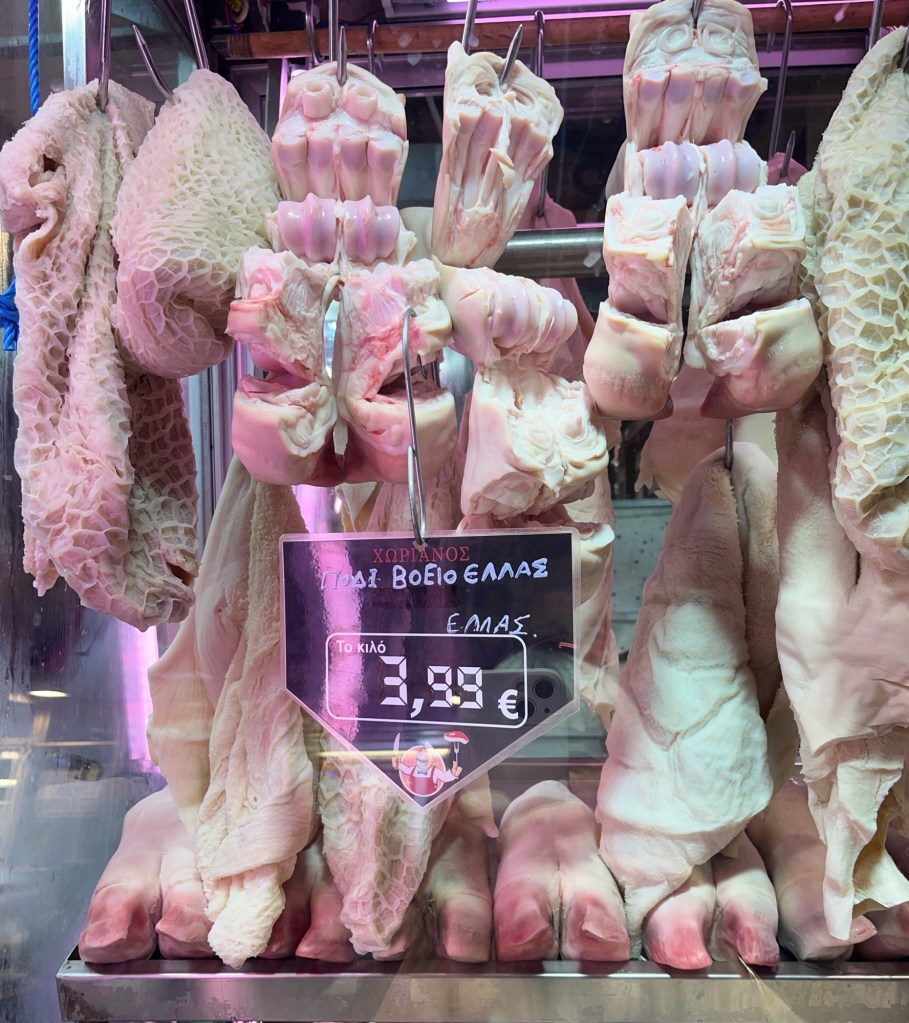
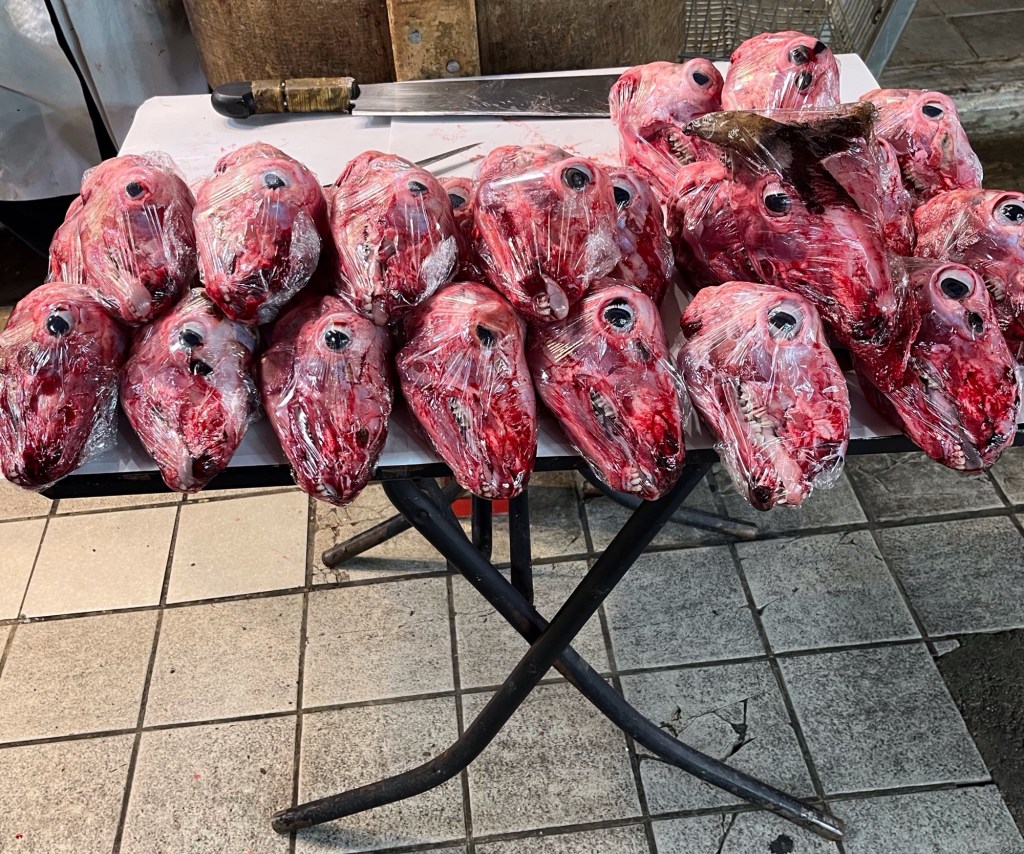
In the Athens market, there was most meat products, including many not seen in London, goat, offal ( liver, brains, kidneys, sweetbreads and hearts) tripe, whole goats, goat heads, and sheep! Pigs trotters, and tongues and don’t forget all the odd bits of chicken! Not for the faint hearted! Onwards to the fish,with Athens being a city by the Mediterranean, there was no shortage of wonderful looking fish, including Octopus , shrimp, whitebait and swordfish. Moving outside it was the turn of Olives, dried figs, olive oil,and spices galore.

Moving on from the market we hunted for the Greek museum of Gastronomy, but never to be found, the building was abandoned, pity but perhaps it is only people like me who hunt down such odd ball sites.

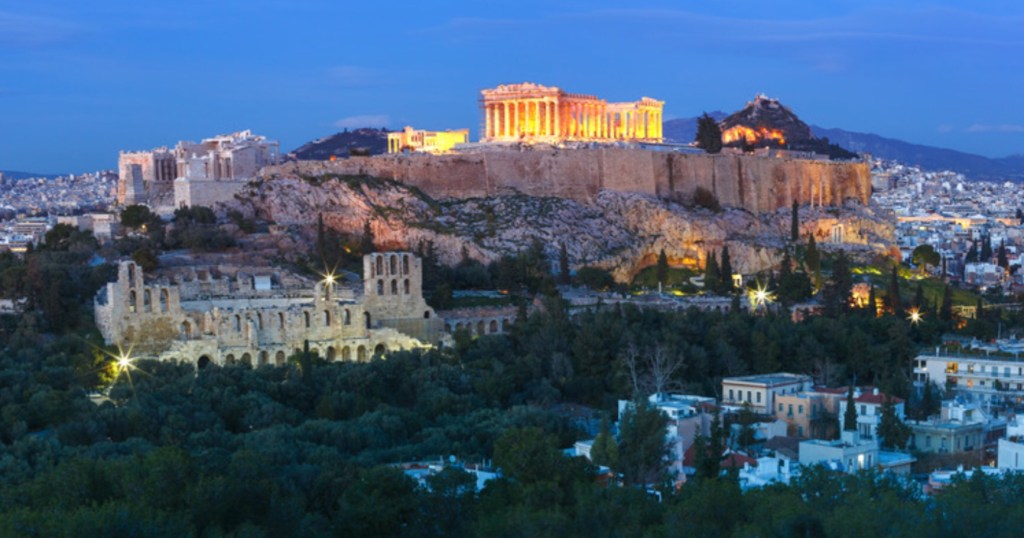
The Acropolis and Parthenon are indeed a sight to behold, as is the Olympic stadium ( the one built in 2004 ) it is modelled on the original stadium at Olympia, so not like any other Olympic stadium, it is long with very sharp rounded ends! Must make running the 800 or 1500 metres interesting.

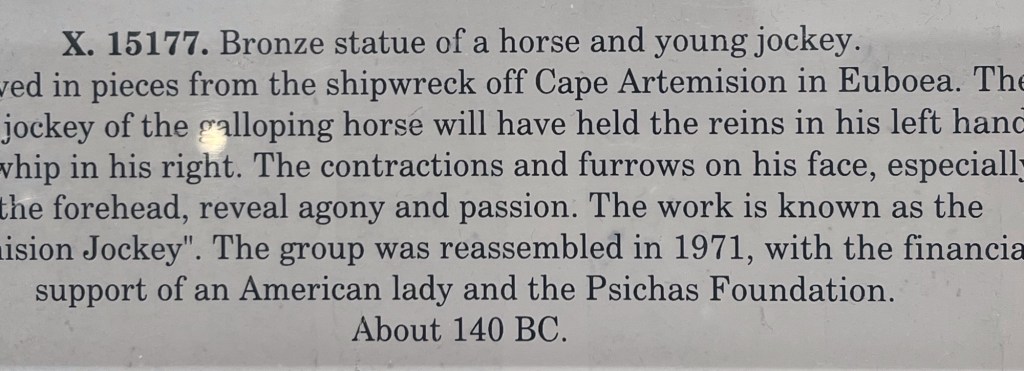
The most impressive of all ( for us at least) was the Archeological Museum. Lots of gold and lots of statues. A couple stuck in my mind. The bronze boy on a horse and the sea damaged statues found by Sponge fishermen 50 metres down!

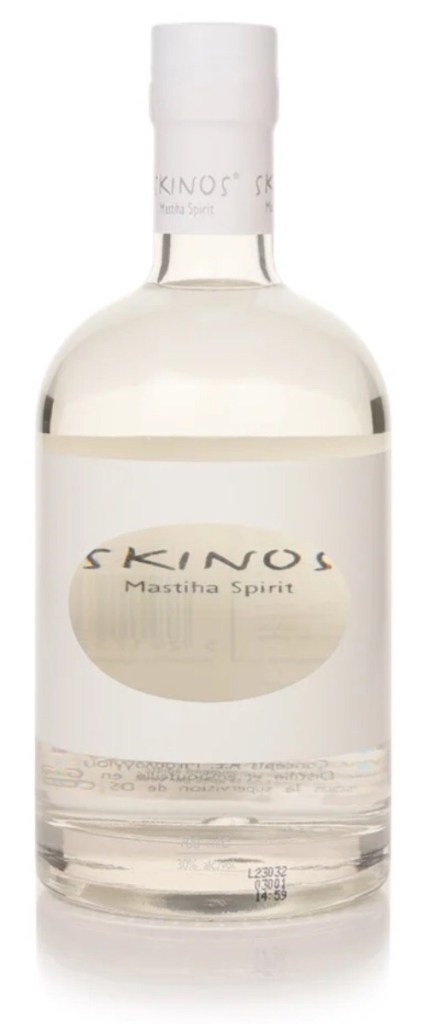
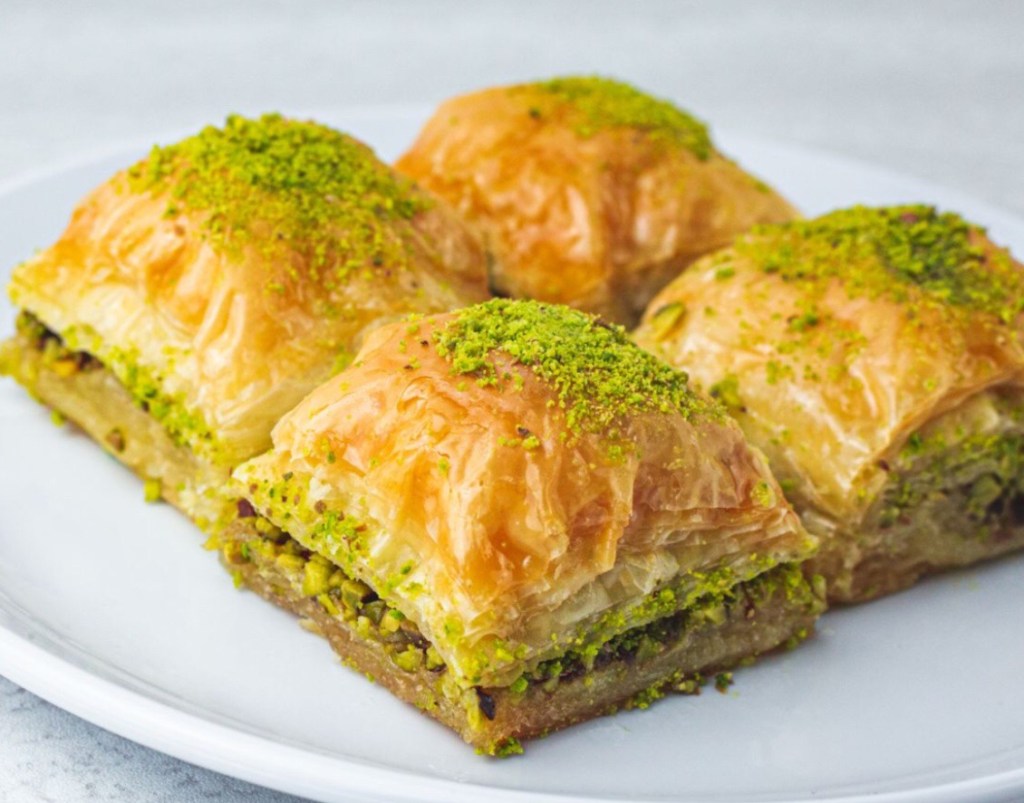
Our other find, in Athens was a very local taverna. We found it almost by chance and on the first visit, we sat outside, ate copious amount of freshly cooked ( mostly fish) food. The wine was cheap and was very drinkable. We enjoyed it so much that we returned the following night. We were greeted with open arms and again, ate our fill,but, then, Himself decided to have dessert, but they only had the one ……. Baklava, which he enjoyed , but then the waiter brought along a Digestive, Greek style! No not Ouzo but MASTICKA! Never heard of it, never tasted it, never had any inkling of it! Smooth yes, but did we like it ? That is still up for debate but there is a bottle of it in my suitcase!

I have to admit that I’m not a connoisseur of Middle Eastern food, they all have their roots in the same culture, but of course many regional variations. I have a dear friend of Egyptian origin and I love going out to eat with her. She gabbles away to the waiters and we get glorious food. Here, however it was a menu of pictures and Google Translate that came to our rescue.

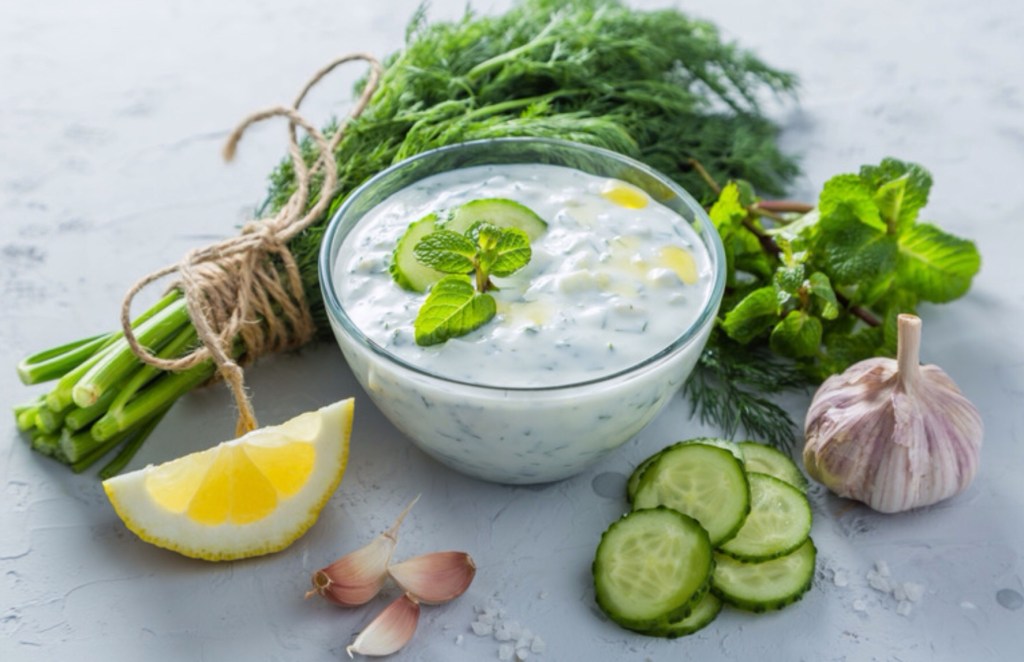
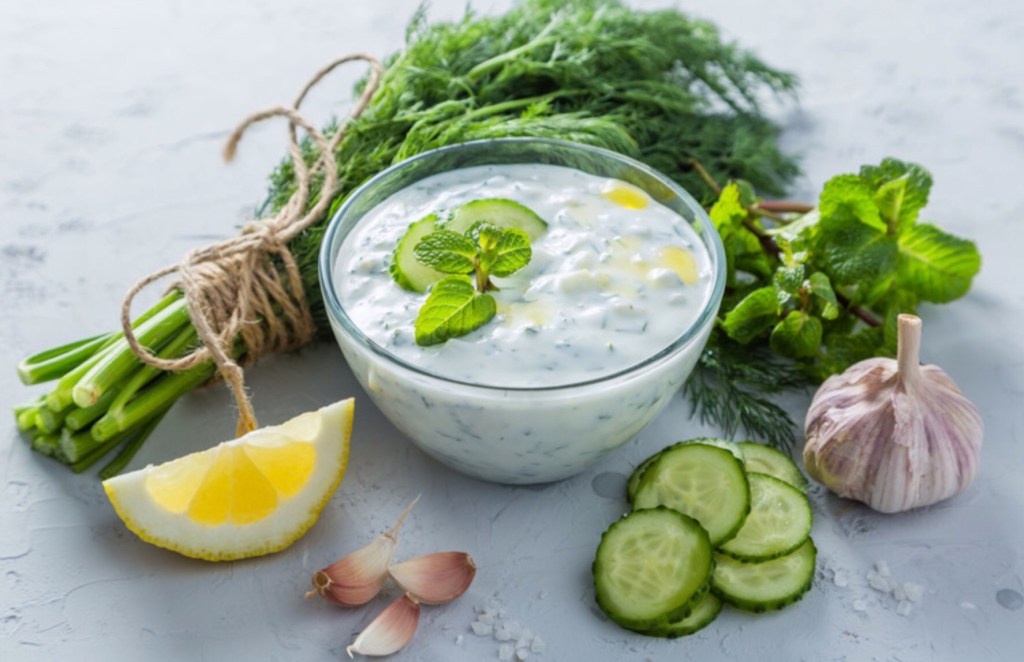
We had matchsticks of courgettes, in tempura and fried which came with a bowl of the most wonderful Tzatziki, which is basically yogurt with maybe dill or mint and garlic! We couldn’t get enough of it so order extra on the second evening!! Hummus , shrimp, sardines, octopus, mussels and eggplant dip, would we go again, we’ll tow consecutive nights did not disappoint, but Athens, has been done, so afraid not !

Taramasalata to the uninitiated is salted, dried roe of cod, carp, grey mullet, salmon along with mushed bread, outlive oil, lemon juice and garlic. Variations vary within the Middle East, whilst it should be made by hand using a mortar and pestle, which gives it a grainy texture, whereas, commercially made products tend to be very smooth. I have to say that out of the Middle Eastern Meze dishes, this is the one I like the least.

TZATZIKI on the other hand is the one I prefer, easily made and again with regional variations.

  • 1 cucumber, grated and excess water squeezed out
  • 500 grams approximately of good quality plain whole fat yogurt ( I make my own) do not use low fat, or any with any kind of flavouring
  • 2 cloves garlic crushed ( or more if you MUST)
  • Salt and pepper to taste
  • Good olive oil to drizzle over.
  • Some dill finely chopped ( optional, as this is traditionally Turkish)

Simplicity itself, simply add the yogurt, to a bowl, stir well to mix, add the seasoning and garlic ( and dill if using), put into a serving dish and drizzle over the Olive Oil. Serve with bits of vegetables and pitta bread.

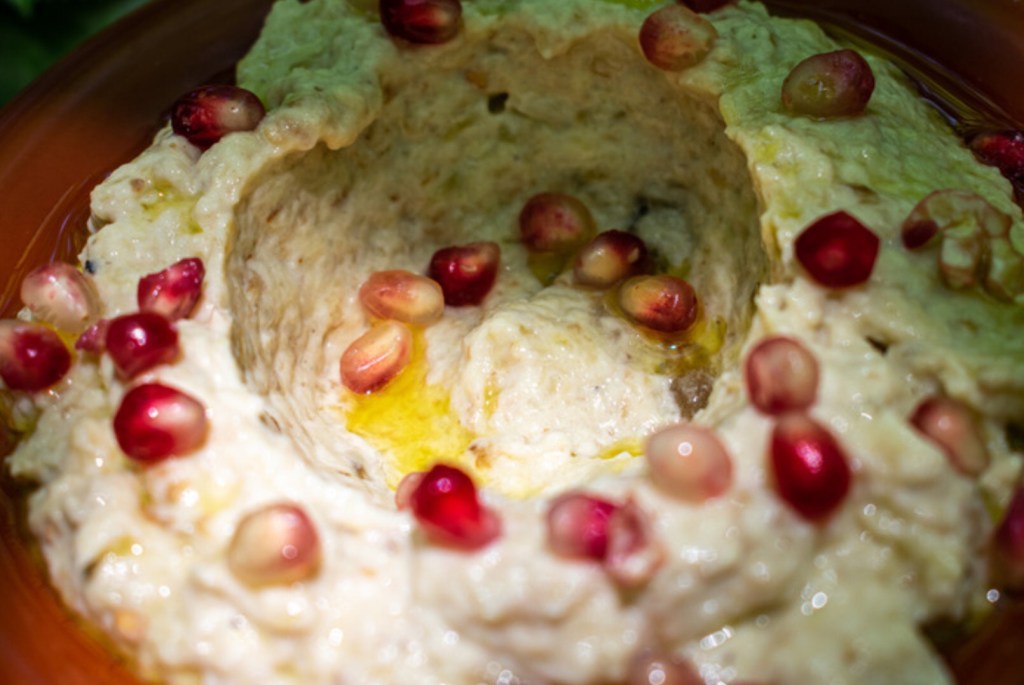
The next dish we tried was Burnt Aubergine with pomegranate seeds. Also delicious and is on my must make list ( which gets longer by the day).

  • 3 large aubergines ( about 1 kilo)
  • 3 cloves garlic crushed
  • Grated zest and juice of a lemon
  • 2 tablespoons chopped Curley parsley and the same of fresh mint
  • Seeds of half a pomegranate or if being really lazy buy them already done, (de-seeding a pomegranate can be a bit of a pain!)
  • Salt and pepper to taste.

You can either grill the aubergines on the flames of a gas hob, or on a BBQ or under a grill on a baking tray. They need to be throughly cooked and the skins burnt.

When the burnt aubergines have cooled a little,, cut in half lengthwise and scoope out the flesh. Throw away the skin and leave the flesh in a sieve for half an hour to drain out some of the liquid.

Once drained place the flesh in a mixing bowl, mix in the garlic, lemon juice and zest the olive oil and a pinch of salt and pepper. Leave at room temperature until ready for serving ( or if made ahead of time, refrigerate but remove and let it come to room temperature) add the herbs, and stir well! Taste and adjust seasoning if necessary!

Serve in a dish and top with the pomegranate seeds.

Weirdly we went to a cooking class last night as part of a charity that supports asylum seekers and refugees. They help them to learn how to teach and how to be a chef and to cook their own traditional cuisines and maybe help them gain employment. Our instructor for the night was Amro, a civil engineer , from Egypt. Although the class itself was a bit chaotic, it was great fun and considering that we were 8 cooks plus 6 helpers plus Amro, not surprisingly people did get in the way!However, in under 2 hours FIVE dishes were created and eaten ! Congratulations to Amro, on surviving his first teaching experience.

We/ He made

Salata Khadra, a traditional salad which is served at every meal including breakfast.

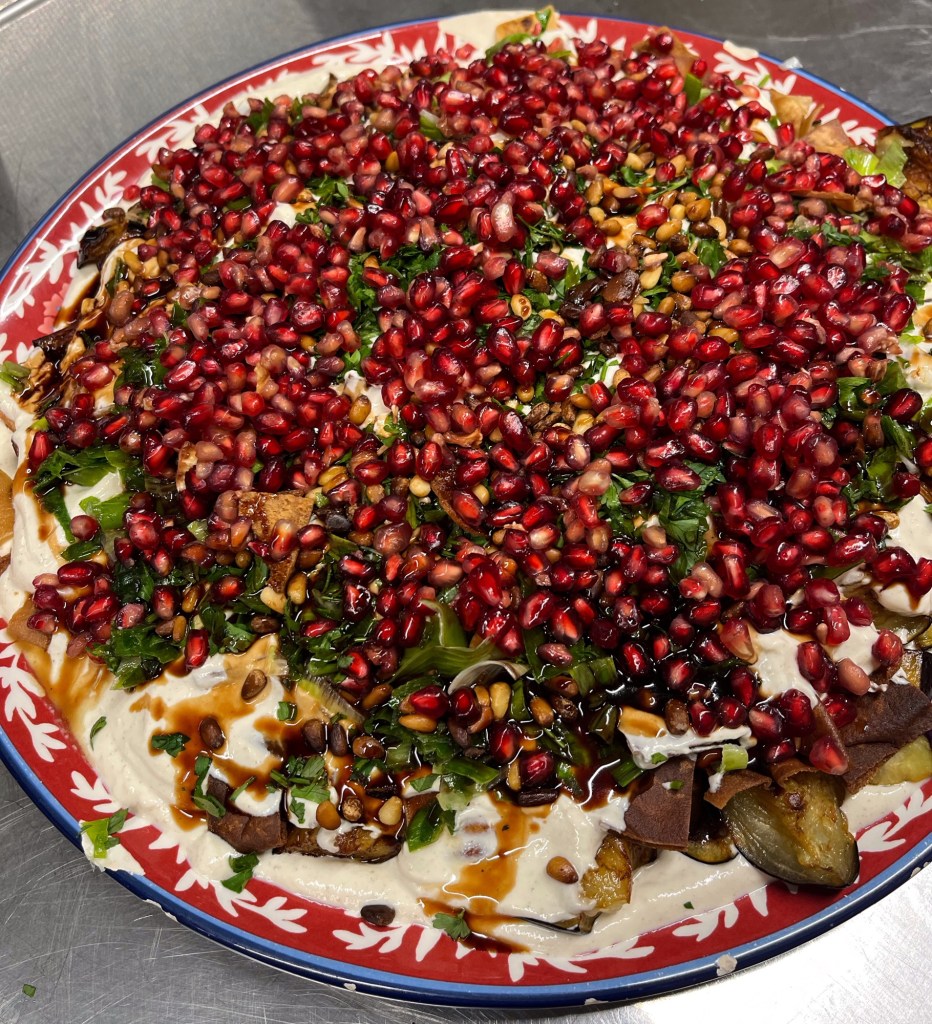
Aubergine Fattah is a classical Middle Eastern starter, vegetarian and beautiful ( Himself made most of it and I can see he will be making it on one of his cooking days!)

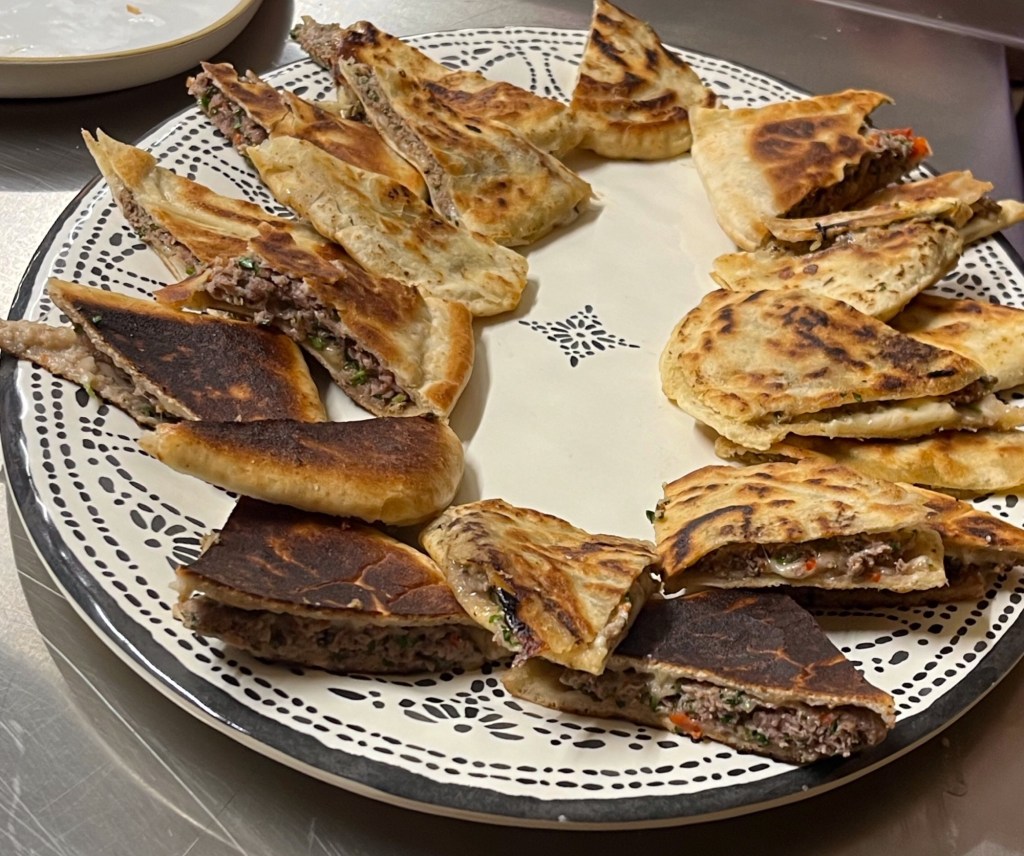
Egyptian Hawaashi, which is a classical dish originally from Alexandria. They are basically pitta bread stuffed with a spicy minced meat mixture, some cheese, flattened and shallow fried.

Egyptian Koshary, which Amro says is eaten everywhere, but is the most complicated but not difficult to make., sauces have to be made(3 of them) onions sliced and fried until crisp, Lentils, Rice and pasta to be cooked and combined. So you can see lots of components to this particular dish.

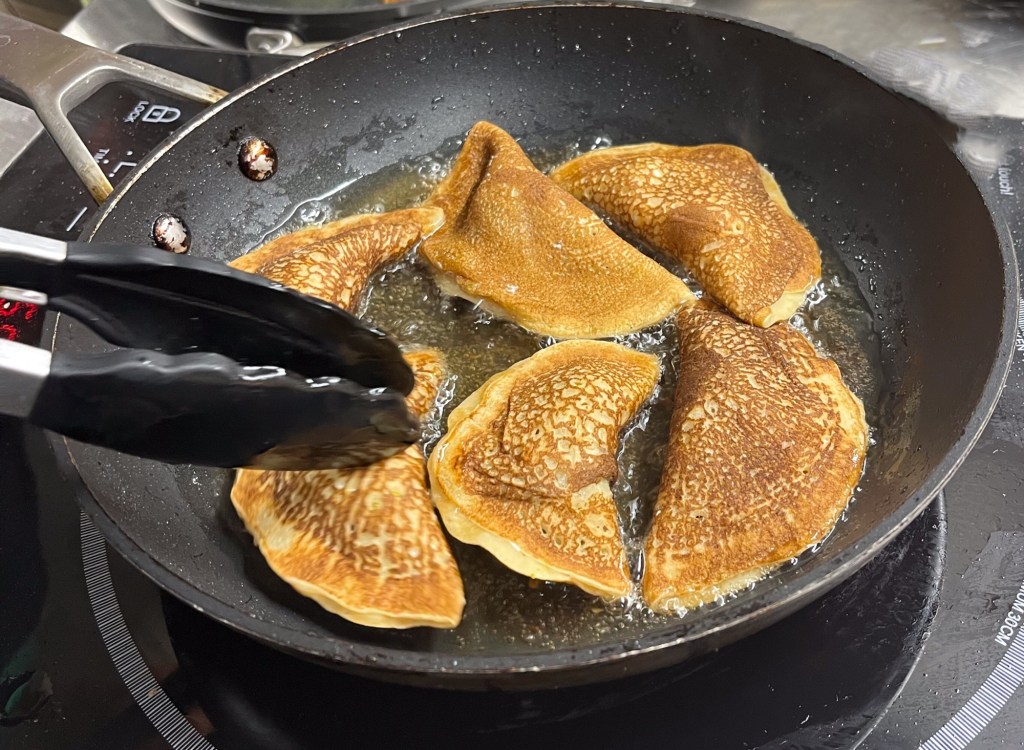
And finally the dessert, QATAIF, these are a kind of mini pancake stuffed with chopped pistachios, chopped walnuts, and ricotta, which are then fried and dipped into sugar water.

And here is a picture of our dinner !